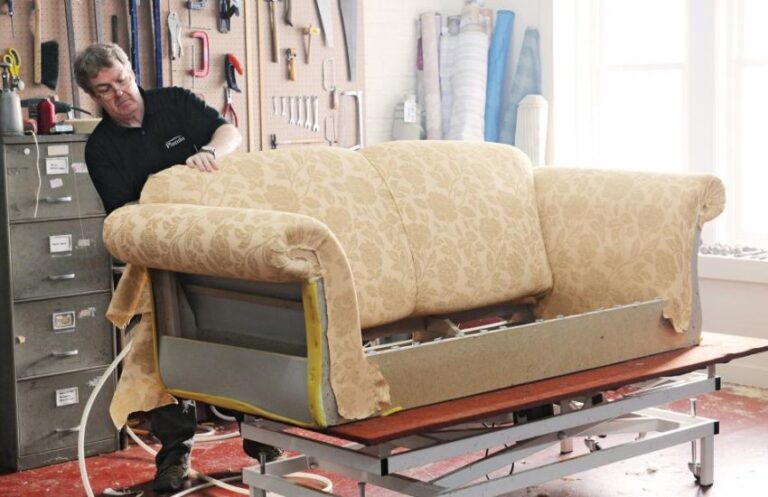
Sofas are among the most frequently used furniture pieces in any home, serving as primary seating areas for relaxation, entertainment, and social interaction. Over time, constant usage naturally leads to fabric wear, cushion compression, frame stress, and sometimes structural weakening. Upholstery restoration services exist to address these issues while preserving the original furniture framework.
Understanding how upholstery services actually work helps homeowners make informed maintenance decisions and recognize early warning signs of furniture deterioration. Rather than viewing upholstery as only a cosmetic improvement, it is important to recognize its structural, ergonomic, and long-term durability benefits.
Step-by-step explanation of inspection, fabric removal, frame repair, padding replacement, and final finishing stages in sofa restoration projects
Professional sofa restoration follows a structured process designed to restore both appearance and functionality. Each stage ensures that hidden internal damage is addressed before cosmetic finishing is completed.
The general process includes:
- Detailed furniture inspection
- Fabric removal and internal exposure
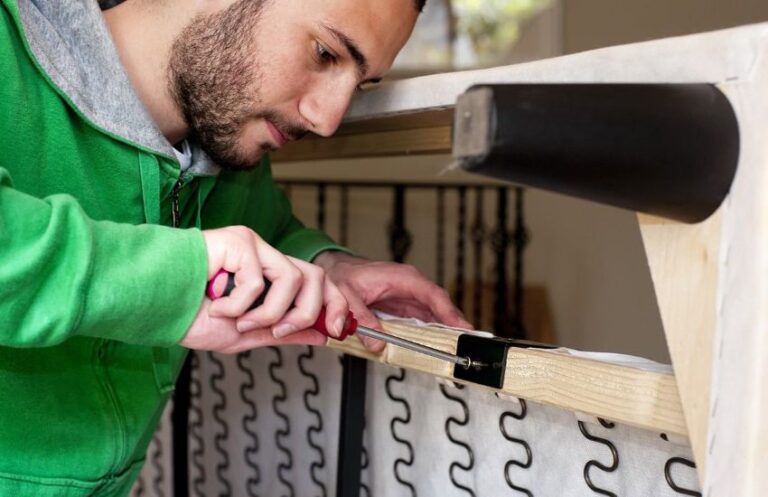
- Frame and spring system assessment
- Foam and padding replacement
- New upholstery installation
- Final finishing and quality inspection
Many people researching restoration processes begin by exploring how sofa upholstery near me services operate, as professional upholstery involves much more than surface fabric replacement.
During restoration, technicians often identify issues that may not be visible externally, such as weakened joints or damaged webbing.
How technicians evaluate structural integrity before recommending upholstery work or internal frame reinforcement procedures
Structural evaluation determines whether furniture is suitable for restoration or requires deeper structural repair. Technicians examine load-bearing components to ensure safety and longevity.
Structural evaluation focuses on:
• Frame joint stability
• Wood cracking or splitting
• Spring tension balance
• Cushion support platform strength
If internal structure problems exist, reinforcement techniques may include:
- Wood block reinforcement
- Joint re-gluing and clamping
- Metal bracket installation
- Spring system replacement
These evaluations prevent future furniture failure even after new upholstery is installed.
Differences between leather, synthetic leather, and fabric upholstery repair techniques used for different sofa constructions
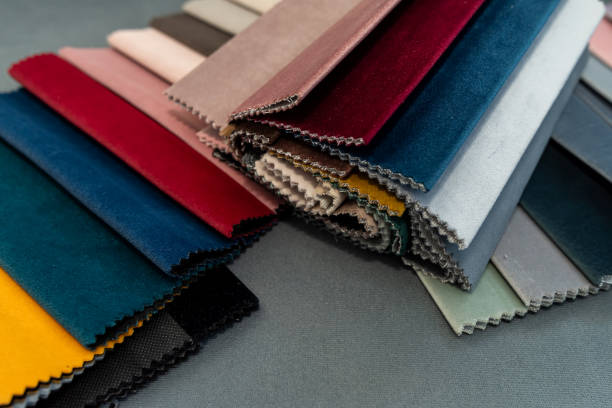
Different upholstery materials require unique repair methods because each material reacts differently to stress, moisture, and temperature.
Fabric upholstery repair usually involves:
• Patch reinforcement
• Full panel replacement
• Seam reconstruction
Leather repair often requires:
• Crack filling compounds
• Color restoration techniques
• Surface conditioning treatments
Synthetic leather typically requires specialized bonding adhesives and surface resealing methods.
Material type directly influences repair complexity and restoration longevity.
How mattress reshaping and cutting services support custom furniture fitting and ergonomic sleeping surface adjustments
Furniture customization sometimes requires reshaping internal mattress or foam components to achieve ergonomic support or fit unique furniture dimensions.
Services like mattress cutting service help modify foam or mattress layers to improve furniture compatibility and sleeping posture alignment.
Common scenarios include:
• Custom sofa-bed mattress resizing
• Adjusting foam thickness for posture correction
• Reconfiguring mattress shapes for custom frames
• Improving pressure distribution for long-term comfort
Proper foam shaping helps maintain ergonomic body alignment during extended sitting or sleeping.
Understanding surface cracking, peeling, and fading causes in leather furniture and how repair techniques address each issue
Leather damage typically occurs due to environmental exposure, body oils, friction, and improper cleaning products.
Common leather damage types include:
• Surface cracking due to dryness
• Peeling caused by synthetic coating breakdown
• Fading due to sunlight exposure
Leather restoration techniques include:
- Deep conditioning treatments
- Pigment recoloring
- Surface sealing protective layers
In hot climates such as Abu Dhabi, leather furniture may require more frequent conditioning due to dry air and high temperatures.
Understanding leather maintenance helps extend furniture lifespan significantly.
How local upholstery services adapt materials and techniques based on environmental exposure and usage patterns
Local climate conditions and lifestyle usage patterns influence upholstery material selection and restoration methods.
Environmental adaptation includes:
• Moisture-resistant foam for humid areas
• UV-resistant fabrics for sunny interiors
• Anti-mold fabric treatments for coastal regions
• Reinforced stitching for high-usage households
Usage patterns also matter. Homes with pets or children may require stain-resistant and scratch-resistant materials.
Local restoration professionals often tailor techniques based on real-world environmental stress factors.
Safety and hygiene considerations when restoring old sofas, mattresses, and leather seating furniture
Old furniture can accumulate dust mites, bacteria, mold spores, and allergens over time. Upholstery restoration often includes deep cleaning and sanitization.
Hygiene restoration processes include:
• Deep vacuum extraction
• Steam sanitization
• Antibacterial treatment
• Odor neutralization
These steps improve indoor air quality and reduce allergen exposure inside homes.
Sanitization is especially important when restoring older inherited furniture or long-unused storage furniture.
Common mistakes homeowners make when attempting DIY upholstery or leather repair without professional tools
DIY upholstery attempts often create long-term structural damage if performed incorrectly.
Common mistakes include:
• Using incorrect adhesive types
• Overstretching fabric during installation
• Using household cleaning chemicals on leather
• Ignoring internal structural damage
For example, severe leather cracking or tearing often requires professional restoration methods such as those used in leather repair abu dhabi, rather than home repair kits.
Professional tools and materials ensure repair durability and maintain original furniture structure.
Conclusion
Sofa upholstery restoration is a detailed process combining structural repair, material science, and craftsmanship. Understanding how restoration works helps homeowners maintain furniture quality, improve comfort, and extend furniture lifespan.
By recognizing early damage signs, choosing appropriate materials, and following proper maintenance routines, furniture can remain functional and visually appealing for many years. Upholstery restoration also supports sustainability by reducing unnecessary furniture disposal.
FAQs
How do professionals determine whether a sofa needs reupholstery or repair?
Professionals evaluate frame condition, cushion support, fabric wear level, and structural stability before recommending restoration.
What causes leather sofas to crack or peel over time?
Dry air, sunlight exposure, body oils, and improper cleaning products contribute to leather deterioration.
Can mattress cutting help improve sleep posture or bed fitting?
Yes, custom foam shaping can improve ergonomic support and help mattresses fit non-standard furniture frames.
How long does a typical sofa upholstery restoration process take?
Most projects take several days to a few weeks depending on structural repair requirements and material complexity.
What maintenance steps help extend upholstery lifespan after restoration?
Regular cleaning, avoiding direct sunlight, rotating cushions, and using protective fabric treatments help extend lifespan.
Are synthetic upholstery materials easier to maintain than natural ones?
Synthetic materials are usually more stain-resistant and easier to clean, but may not always match the comfort or breathability of natural materials.