Furniture upholstery plays a critical role in comfort, durability, and interior aesthetics. In regions with warm climates and active lifestyles, upholstery materials must withstand frequent use, environmental stress, and temperature fluctuations. Understanding how upholstery works helps homeowners make better decisions about maintenance, restoration, and long-term furniture care.
Modern upholstery is more than just fabric covering. It involves padding systems, frame support, stitching techniques, and material layering designed to improve comfort and extend furniture life. This guide explains upholstery materials, processes, warning signs of wear, and environmental influences that impact furniture performance over time.
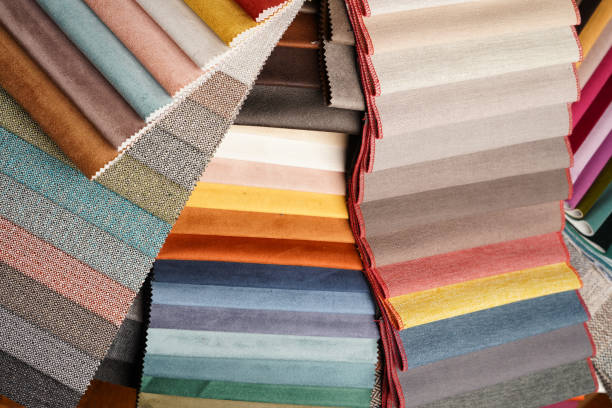
Understanding upholstery materials commonly used in Abu Dhabi homes and how climate affects durability and comfort
Hot climates place unique demands on upholstery materials. Fabrics must resist heat absorption, moisture buildup, and frequent cleaning.
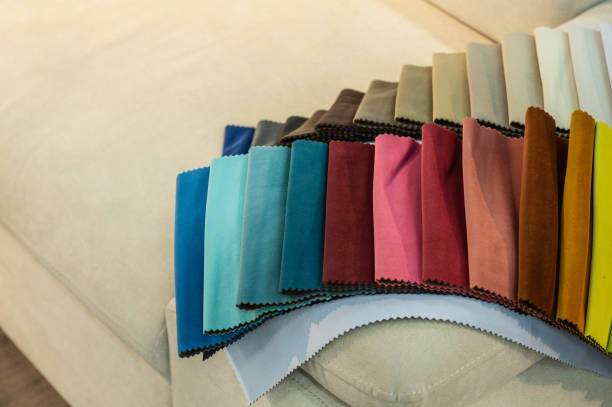
Common upholstery materials include:
- Synthetic microfiber for stain resistance
- Leather for durability and easy maintenance
- Cotton blends for breathability
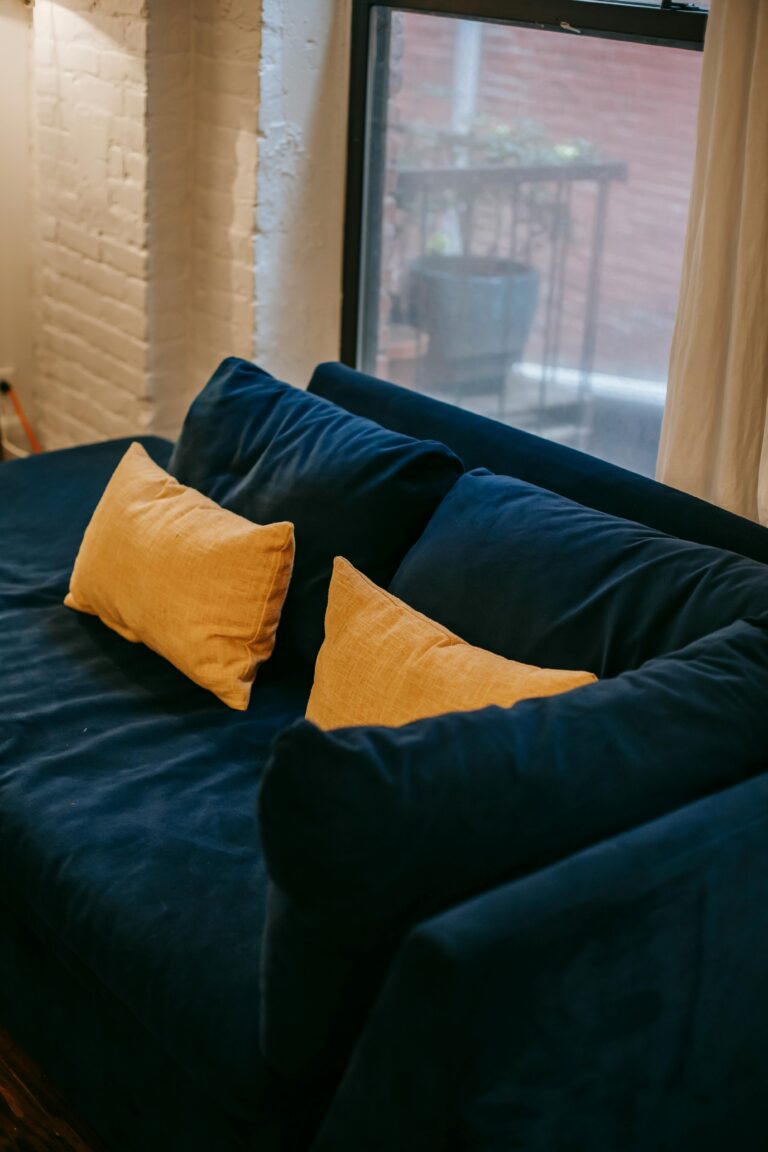
- Velvet for decorative seating areas
- Performance fabrics for heavy daily use
Climate influences upholstery performance in several ways. High temperatures can weaken adhesives and padding foam, while humidity can cause fabric stretching or mold growth if not properly maintained. Breathable fabrics typically perform better in warm regions, especially in high-use living areas.
Understanding material behavior helps homeowners extend furniture lifespan through proper care and cleaning routines.
The science behind fabric selection including breathability, wear resistance, and maintenance requirements for furniture
Fabric selection directly affects comfort and durability.
Key Performance Factors
Breathability
Allows air circulation, reducing heat buildup and moisture retention.
Wear Resistance
Determined by fiber strength and weave density. Tighter weaves usually last longer.
Maintenance Requirements
Some fabrics resist stains naturally, while others require protective treatments.
Furniture used daily requires stronger fabric structures. For example, households that frequently maintain furniture structure often research solutions like upholstery abu dhabi to better understand how materials and repair methods improve durability.
Choosing the right fabric depends on lifestyle, usage frequency, and environmental exposure.
Differences between traditional and modern upholstery techniques used in residential and commercial furniture restoration
Upholstery methods have evolved significantly.
Traditional Techniques
- Hand stitching for durability
- Natural padding materials like cotton or horsehair
- Wooden frame reinforcement
Modern Techniques
- High-density foam layering
- Synthetic padding for consistency
- Precision machine stitching
- Adhesive bonding systems
Modern upholstery improves uniformity and reduces long-term sagging. However, traditional methods still offer exceptional durability in certain furniture styles.
Understanding both approaches helps homeowners choose restoration methods based on furniture age, design, and usage needs.
How furniture frame condition impacts upholstery performance and long-term seating comfort outcomes
Upholstery is only as strong as the frame beneath it.
Frame problems can cause:
- Uneven seating pressure
- Premature fabric wear
- Foam compression damage
- Structural instability
When internal frames weaken, upholstery begins to show stress signs such as wrinkles, sagging, or uneven cushioning. Structural issues often require combined repair strategies.
In many homes, people who search for structural solutions also explore services similar to bed fixing near me to understand how internal support affects overall furniture performance.
Proper frame maintenance ensures upholstery materials function correctly and maintain comfort.
Signs that indicate upholstery deterioration and when restoration becomes necessary for safety and usability
Early detection prevents expensive repairs later.
Common Warning Signs
- Fabric thinning or tearing
- Cushion flattening
- Loose seams or stitching gaps
- Squeaking frame noises
- Uneven seating height
When multiple signs appear together, full restoration may be necessary rather than surface repair.
Ignoring early upholstery damage can lead to deeper structural issues affecting furniture safety and usability.
Environmental and lifestyle factors that influence upholstery lifespan in high-usage living spaces
Furniture longevity depends heavily on daily use patterns.
Environmental Factors
- Sunlight exposure causing fabric fading
- Dust accumulation damaging fibers
- Humidity weakening adhesives
Lifestyle Factors
- Presence of pets causing scratching or staining
- High traffic seating areas
- Frequent cleaning using harsh chemicals
Specialized seating, such as work or gaming chairs, experiences concentrated pressure points. People researching maintenance techniques sometimes explore resources like gaming chair repair to understand how targeted support areas affect upholstery wear patterns.
Balanced cleaning routines and protective covers help extend upholstery lifespan significantly.
How padding density, stitching patterns, and fabric tension affect furniture ergonomics and support quality
Upholstery comfort depends on multiple technical factors working together.
Padding Density
Higher density foam lasts longer and provides better posture support.
Stitching Patterns
Reinforced stitching distributes pressure evenly across surfaces.
Fabric Tension
Proper tension prevents wrinkles and ensures consistent seating support.
Poor tension or low-density padding often leads to faster sagging and reduced comfort quality. High-quality upholstery balances softness and structural firmness for long-term ergonomic support.
Understanding how professional upholstery processes restore furniture structure and appearance simultaneously
Professional upholstery involves multiple stages.
Restoration Process
- Frame inspection and repair
- Removal of old fabric and padding
- Installation of new support layers
- Precision fabric cutting and fitting
- Reinforced stitching and finishing
Professional processes ensure both structural restoration and visual improvement occur together. Proper layering systems prevent future sagging and extend furniture usability for years.
Conclusion
Upholstery plays a vital role in furniture durability, comfort, and structural performance. Understanding materials, environmental effects, frame condition, and restoration methods helps homeowners make informed maintenance decisions. Climate, daily usage patterns, and material quality all influence upholstery lifespan.
With proper inspection, preventive maintenance, and timely restoration, upholstered furniture can maintain comfort and appearance for many years. Knowledge of upholstery structure and performance factors allows homeowners to protect furniture investments and maintain living space quality.
FAQs
What types of upholstery fabrics last longest in hot climates?
Synthetic performance fabrics and treated leather usually last longest due to heat and moisture resistance.
How does upholstery affect overall furniture comfort and posture support?
Upholstery padding density and tension directly influence spinal support and seating comfort.
Can upholstery extend the usable life of old furniture?
Yes, replacing worn padding and fabric can significantly improve furniture lifespan and usability.
What are the signs that upholstery foam or padding is failing?
Flattened cushions, uneven seating, and loss of support indicate foam deterioration.
How often should upholstered furniture be inspected for wear?
Every 6–12 months is recommended, depending on usage frequency.
Are natural fabrics or synthetic fabrics better for upholstery durability?
Synthetic fabrics usually provide better stain resistance and durability, while natural fabrics offer breathability and comfort.