Furniture plays a major role in everyday comfort, interior aesthetics, and functional living spaces. Over time, however, even high-quality furniture experiences wear and tear due to regular use, environmental exposure, and aging materials. Understanding how professional furniture repair services operate helps homeowners make informed decisions about maintenance, restoration, and sustainability.
Modern furniture repair combines traditional craftsmanship with advanced diagnostic tools and restoration techniques. By learning how specialists evaluate damage, restore upholstery, and repair structural components, individuals gain valuable insight into extending furniture lifespan and preserving original design quality.
Detailed overview of how professional furniture repair services assess different types of household furniture damage
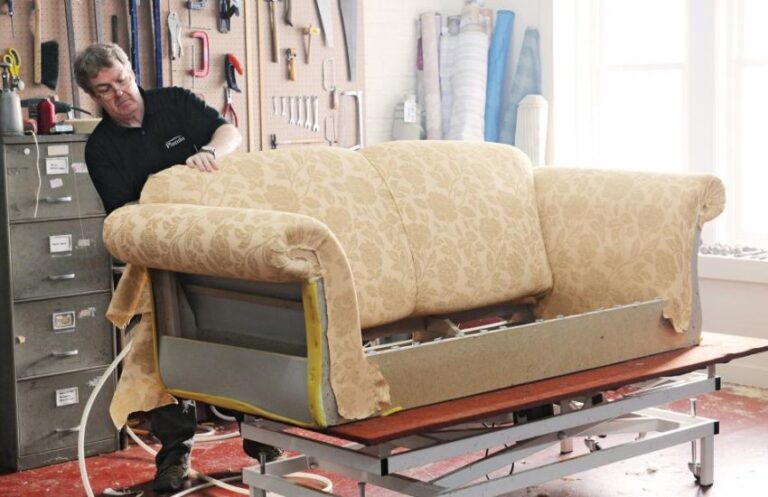
Professional furniture repair begins with a detailed assessment phase. Technicians analyze visible damage while also checking hidden structural elements that may affect durability and safety.
Assessment typically focuses on:
- Structural frame stability
- Upholstery condition and padding support
- Joint strength and fastener condition
- Surface finish wear or damage
- Mechanical function for moving furniture parts
During this process, many homeowners search for reliable information about furniture repair near me to understand how local repair services evaluate and restore furniture safely and effectively.
Technicians often perform hands-on stability testing and use tools to measure alignment and pressure distribution. This ensures that the repair plan addresses both cosmetic and structural concerns rather than focusing only on visible damage.
Proper assessment helps determine whether restoration is possible and identifies the most effective repair approach.
Understanding upholstery restoration techniques and when full fabric replacement becomes necessary for durability
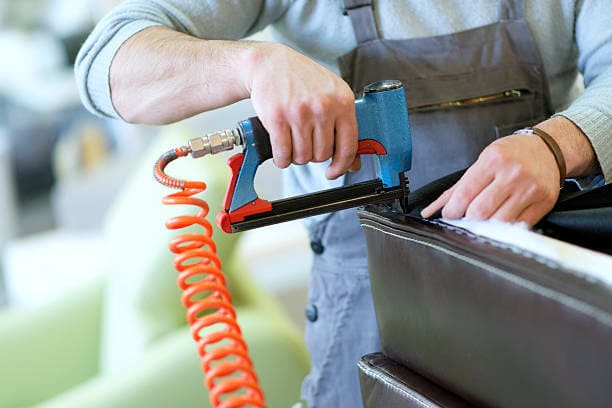
Upholstery restoration focuses on improving comfort, appearance, and protective functionality. Upholstery acts as a protective barrier for internal padding and structural components.
Common upholstery restoration techniques include:
- Foam padding replacement to restore seating support
- Stitch reinforcement to prevent seam separation
- Fabric patching for localized damage
- Cushion reshaping to restore ergonomic comfort
In cases where damage is widespread, full fabric replacement may be necessary. Understanding professional sofa upholstery methods helps explain how specialists match materials, textures, and stitching patterns to maintain original design quality.
Full replacement is usually recommended when:
- Fabric has extensive tearing
- Cushion foam is fully compressed
- Fabric fibers have weakened due to age
- Leather surfaces show deep cracking
Proper upholstery restoration ensures long-term comfort and prevents internal damage caused by exposed padding or structural components.
How traditional and modern furniture repair methods differ in tools, materials, and repair timelines
Furniture repair techniques have evolved significantly over time. Traditional methods relied heavily on manual craftsmanship, while modern repair uses specialized tools and engineered materials.
Traditional Repair Methods
- Hand-carved wood replacement
- Manual stitching and upholstery fitting
- Natural adhesives and wood fillers
- Basic metal reinforcement tools
Modern Repair Methods
- Precision cutting tools for material shaping
- Industrial adhesives designed for furniture load stress
- Synthetic foam engineered for durability
- Computer-assisted measurement tools
Modern repair methods often reduce repair timelines while improving structural strength. However, traditional craftsmanship remains valuable for antique or culturally significant furniture restoration.
The combination of both approaches ensures the best results depending on furniture type and design complexity.
Types of furniture structural damage that can be repaired versus cases requiring full replacement decisions
Not all furniture damage requires full replacement. Many structural problems can be repaired if detected early.
Common Repairable Damage
- Loose or separated joints
- Minor frame cracks
- Spring tension imbalance
- Surface scratches and finish damage
Damage That May Require Replacement
- Severe structural collapse
- Extensive termite or moisture damage
- Completely fractured load-bearing sections
- Major frame warping
Technicians evaluate load-bearing stress points to determine repair feasibility. In many cases, reinforcement techniques can restore structural integrity even after significant damage.
Understanding repair limits helps homeowners make realistic restoration decisions.
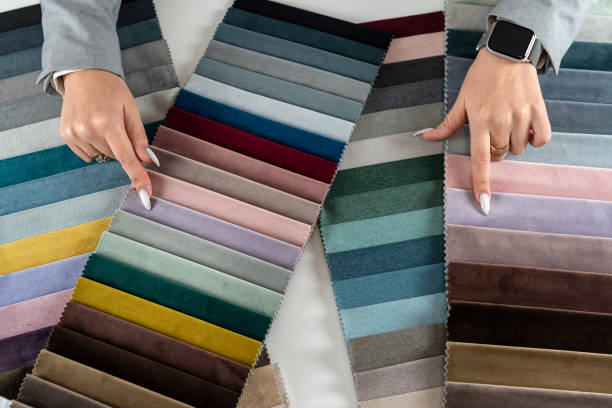
How repair specialists match fabrics, wood finishes, and stitching patterns to restore original furniture appearance
Restoring original furniture appearance requires advanced material matching and finishing expertise. Technicians aim to make repairs visually seamless.
Matching involves analyzing:
- Fabric weave patterns
- Thread color and stitching style
- Wood grain patterns
- Paint or stain finish tones
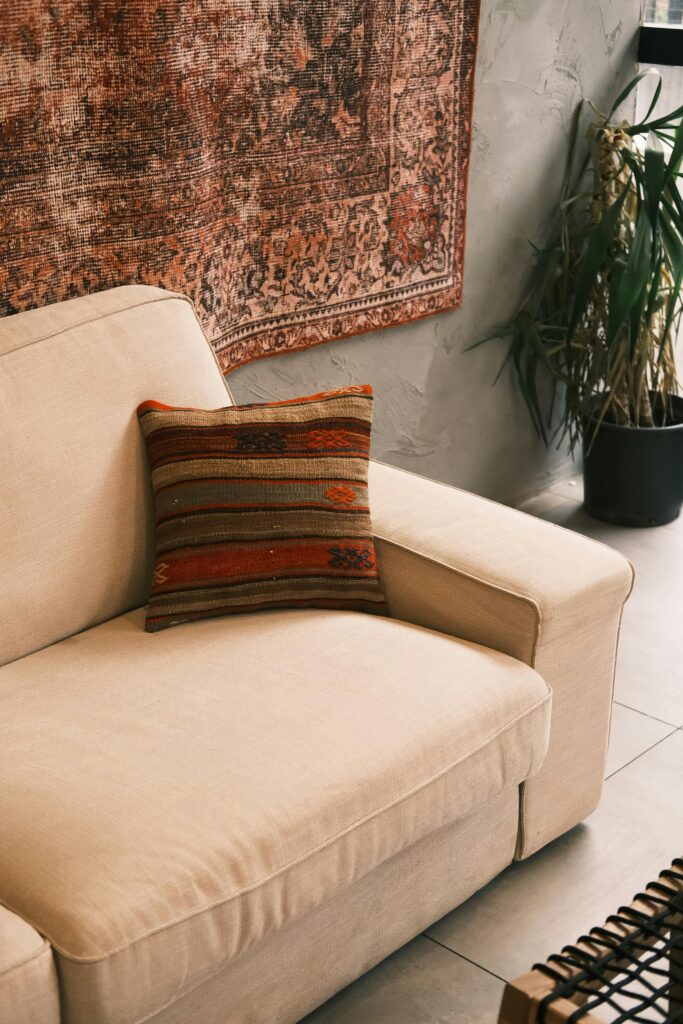
For culturally styled furniture such as an arabic majlis sofa, precise fabric and design matching is especially important because decorative patterns often carry traditional aesthetic significance.
Specialists may use:
- Fabric swatch comparison
- Digital color matching tools
- Custom stain blending
- Hand-finished detailing
These methods help preserve the original character and visual consistency of the furniture piece.
Environmental and sustainability benefits of repairing furniture instead of discarding and replacing items
Furniture repair plays an important role in environmental sustainability. Extending furniture lifespan reduces landfill waste and lowers manufacturing resource consumption.
Environmental benefits include:
- Reduced wood harvesting demand
- Lower textile production waste
- Decreased metal and plastic manufacturing
- Reduced transportation emissions
Repairing furniture also supports circular economy practices, where materials are reused rather than discarded.
Many furniture components are designed for long-term durability, making repair a practical and environmentally responsible choice compared to disposal and replacement.
How routine furniture inspections help detect hidden damage before major structural failures occur
Routine inspections help identify early signs of damage before they become severe structural problems.
Inspection should focus on:
- Joint looseness
- Cushion support consistency
- Frame stability under weight
- Upholstery tension and wear patterns
- Early signs of moisture or pest damage
Recommended inspection frequency:
- Every 6 months for frequently used furniture
- Annually for lightly used furniture
- Immediately after moving or relocation
Preventive inspections reduce repair complexity and help maintain consistent comfort and safety.
Conclusion
Furniture repair services involve detailed assessment, specialized restoration techniques, and careful material matching processes. Understanding how repair professionals evaluate and restore furniture helps homeowners extend product lifespan while maintaining comfort and structural reliability.
By combining preventive maintenance, early damage detection, and professional restoration knowledge, furniture owners can preserve both functional value and design quality for many years.
FAQs
What types of furniture can usually be repaired successfully?
Most wooden, metal frame, and upholstered furniture can be repaired depending on structural damage severity.
How do technicians match old upholstery fabrics with new materials?
They use fabric swatches, texture analysis, and color matching tools to find close or identical replacements.
Is furniture repair environmentally friendly compared to replacement?
Yes, repair reduces landfill waste and decreases demand for new raw materials.
How do professionals fix internal wooden frame damage?
They reinforce frames using wood fillers, brackets, or partial section replacement.
What are the most common causes of furniture upholstery wear?
Daily use, friction, sunlight exposure, and moisture are the main causes of upholstery deterioration.