Leather furniture is known for its durability, comfort, and timeless appearance. However, even high-quality leather sofas can develop cracks, discoloration, or structural damage over time. Understanding how professional repair services work helps homeowners make informed decisions about maintenance, restoration, and long-term furniture care.
Many people assume damaged leather automatically means replacement, but restoration is often possible. Professional technicians use specialized tools, materials, and techniques to restore both appearance and function. Learning how these services operate also helps homeowners identify early signs of wear before damage becomes severe.
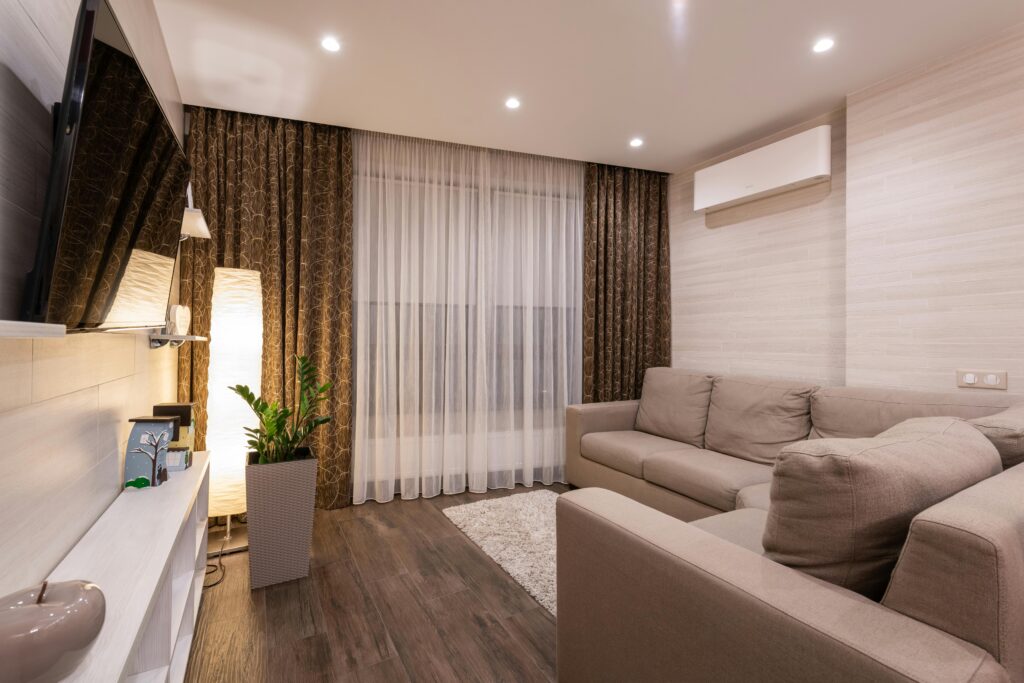
Understanding how professional leather restoration protects sofa structure and durability over time
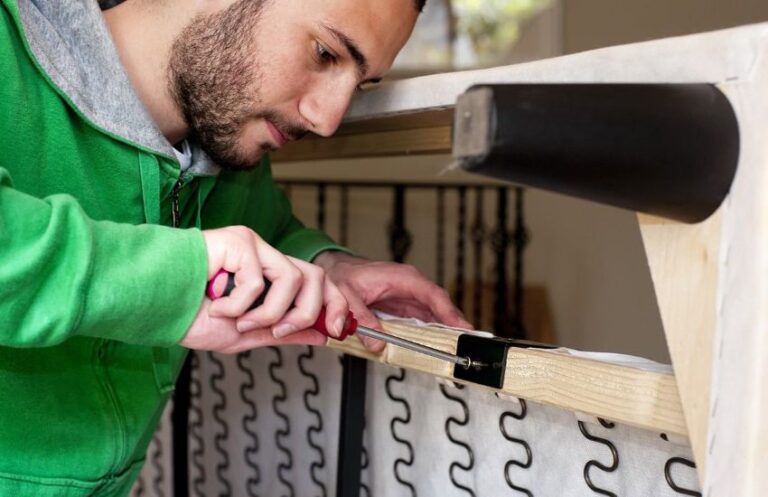
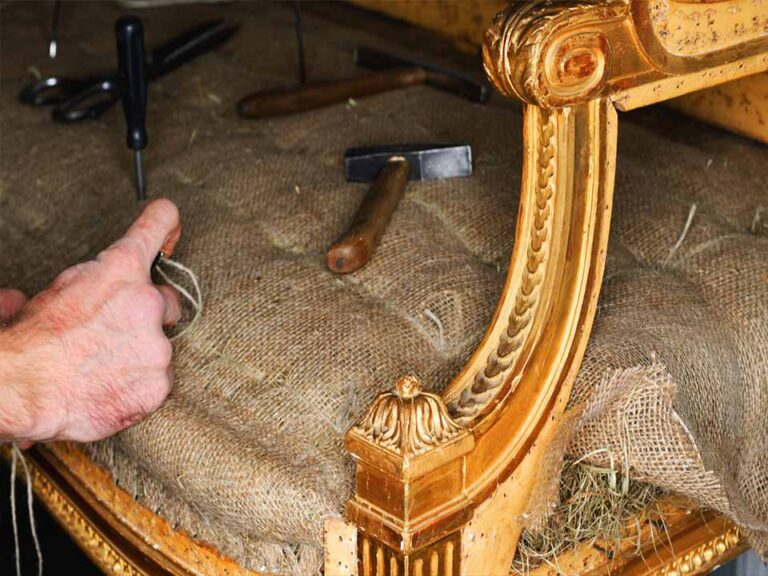
Professional leather restoration focuses on more than surface-level improvements. It aims to preserve the structural integrity of the furniture while restoring comfort and usability.
When researching professional services such as leather sofa repair near me, you will often find that restoration includes:
- Strengthening weakened frame joints
- Reconditioning dried leather fibers
- Reinforcing internal padding support
- Restoring protective leather finishes
Over time, leather loses natural oils, making it brittle. Professional restoration reintroduces conditioning agents that restore flexibility and reduce further cracking. This helps extend furniture lifespan by several years when done correctly.
Another major benefit is preventing small cosmetic issues from becoming structural problems. Minor tears can expand, and worn cushioning can strain internal support structures if left untreated.
Common types of leather damage including cracking, peeling, fading, and structural frame issues explained clearly
Leather damage typically appears in predictable patterns depending on usage, environment, and leather quality.
The most common types include:
Surface Cracking
- Often caused by dryness or UV exposure
- Usually appears in high-contact seating areas
Peeling or Flaking
- Often occurs in bonded or treated leather materials
- Can result from chemical breakdown of coatings
Color Fading
- Usually caused by sunlight exposure
- More visible on darker leather finishes
Structural Damage
- Frame looseness
- Broken support springs
- Flattened or uneven cushioning
Understanding these damage types helps homeowners decide whether restoration or structural repair is necessary.
Step by step explanation of how technicians assess leather furniture condition before repair begins
Before repairs begin, technicians perform a complete diagnostic evaluation. In some cases, similar diagnostic methods are used when evaluating other furniture items through services like chair repair shop near me.
Typical assessment steps include:
- Visual Inspection
Checking for visible cracks, discoloration, and tears. - Touch and Flexibility Testing
Determining leather dryness and elasticity levels. - Structural Frame Testing
Checking stability, creaking sounds, and frame movement. - Cushion Density Evaluation
Testing support performance and foam degradation. - Finish and Coating Analysis
Identifying original coating type to match repair materials.
This process ensures repair materials are compatible with the original leather composition.
Materials, fillers, dyes, and protective coatings used in modern leather furniture restoration processes
Modern restoration uses advanced materials designed to match original leather characteristics.
Common materials include:
- Flexible leather fillers for crack repair
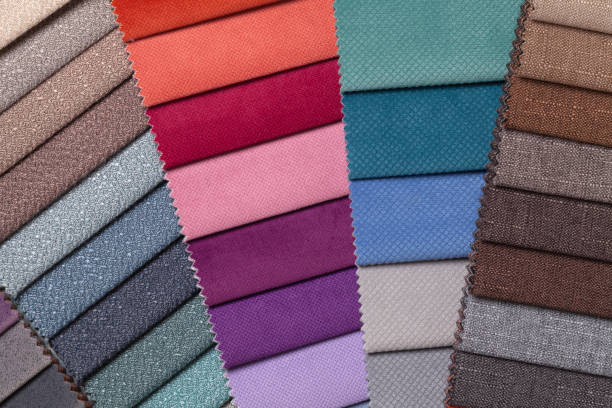
- Water-based leather dyes for color matching
- Protective sealants to prevent moisture loss
- UV-resistant top coatings
Technicians mix dyes manually to match existing color tones. Multiple thin layers are applied rather than one thick coat to maintain natural leather texture.
Protective coatings act as a barrier against future staining, body oils, and environmental exposure.
Differences between cosmetic leather repair and full structural leather furniture restoration services
Not all leather repair services are the same. Some focus only on visual appearance, while others address internal furniture structure.
Cosmetic Repair Includes:
- Scratch correction
- Minor crack filling
- Color restoration
- Surface refinishing
Structural Restoration Includes:
- Frame reinforcement
- Spring replacement
- Cushion rebuilding
- Support webbing replacement
Understanding the difference helps homeowners choose the correct level of service based on damage severity.
How environmental factors like sunlight and humidity accelerate leather furniture deterioration
Environmental conditions play a major role in leather lifespan. In many homes, climate conditions also affect other furniture pieces, requiring solutions similar to those used in bed repair services.
Key environmental risks include:
Direct Sunlight
- Causes color fading
- Breaks down leather fibers
Low Humidity
- Dries leather and causes cracking
High Humidity
- Encourages mold and mildew growth
Temperature Fluctuations
- Causes expansion and contraction stress
Using window coverings, humidifiers, and proper furniture placement significantly reduces environmental damage risks.
When leather furniture damage becomes unsafe or uncomfortable for everyday home use
Sometimes damage reaches a point where daily use becomes uncomfortable or even unsafe.
Warning signs include:
- Exposed internal springs
- Deep foam collapse
- Sharp frame edges pushing through upholstery
- Large open tears exposing internal materials
If these signs appear, professional restoration becomes necessary to restore safe usability.
Ignoring these signs can also lead to more expensive repairs later due to spreading structural damage.
Conclusion
Leather furniture restoration is a detailed technical process that combines material science, craftsmanship, and structural repair knowledge. Professional services do more than improve appearance — they restore comfort, safety, and long-term durability.
Understanding how restoration works allows homeowners to spot early warning signs, maintain furniture properly, and make informed decisions about repair timing. With proper care and timely restoration, leather furniture can remain functional and visually appealing for many years.
FAQs
How long does professional leather sofa restoration usually take?
Most repairs take between a few hours and several days depending on damage severity and drying times between treatment layers.
Can cracked leather be fully restored to original texture?
Minor to moderate cracks can often be restored close to original texture. Severe cracking may still show slight texture variation.
What causes leather sofas to peel or flake over time?
Peeling often occurs when protective coatings break down due to age, friction, or chemical exposure.
Is repaired leather furniture safe for long term daily use?
Yes, if structural and material repairs are completed correctly, restored furniture can safely handle daily use.
How can homeowners prevent leather furniture damage in the future?
- Keep furniture away from direct sunlight
- Clean using leather-safe products
- Condition leather periodically
- Maintain stable indoor humidity levels