Furniture plays a central role in everyday comfort, especially sofas that experience constant daily use. Over time, even high-quality sofas begin to show signs of wear. Understanding how repair works and when it becomes necessary helps homeowners extend furniture life while maintaining comfort and functionality.
Many people assume that visible damage automatically means replacement is needed. However, repair can often restore both structure and appearance. Knowing how to identify real damage versus surface wear helps you make smarter maintenance decisions and preserve furniture for longer periods.
How sofa structural damage happens due to daily long term usage and weight pressure over time
Sofas are designed to handle repeated sitting pressure, but continuous daily use slowly weakens internal components. The internal frame, springs, and support webbing all absorb stress with each use.
Over time, several factors contribute to structural weakening:
- Constant weight concentration in favorite sitting spots
- Jumping or dropping heavily onto cushions
- Natural aging of wooden or metal frames
- Gradual loosening of joints and screws
In many households, damage develops slowly and may not be noticeable until the sofa starts sagging or making noise. At this stage, professional evaluation becomes helpful. Many homeowners research repair solutions such as sofa repair to understand what restoration typically involves and how internal components can be strengthened.
Ignoring structural wear can lead to faster deterioration, making repair more complex later.
Signs that indicate internal frame damage instead of only surface upholstery problems
Surface upholstery damage is often easy to spot, but internal frame problems require closer attention. Some signs clearly indicate deeper structural issues.
Common indicators include:
- Noticeable sinking feeling when sitting
- Uneven seating height across cushions
- Creaking or cracking sounds during movement
- Sofa shifting or wobbling when weight is applied
Frame damage often develops beneath intact fabric, making it harder to detect early. If ignored, small internal cracks can grow into major structural failures.
Early identification allows technicians to reinforce internal joints, replace broken wooden supports, or realign spring systems before the problem spreads.
Differences between cosmetic sofa damage and deep structural functional issues in seating furniture
Understanding the difference between cosmetic and structural damage helps determine repair urgency.
Cosmetic issues usually include:
- Small fabric tears
- Color fading
- Minor cushion flattening
- Surface scratches on leather
Structural issues typically involve:
- Broken frame sections
- Detached springs
- Collapsed support systems
- Severely compressed foam layers
Cosmetic damage mainly affects appearance, while structural damage affects comfort and usability. Structural problems usually require immediate attention to prevent injury or further deterioration.
Proper assessment ensures the correct repair method is applied.
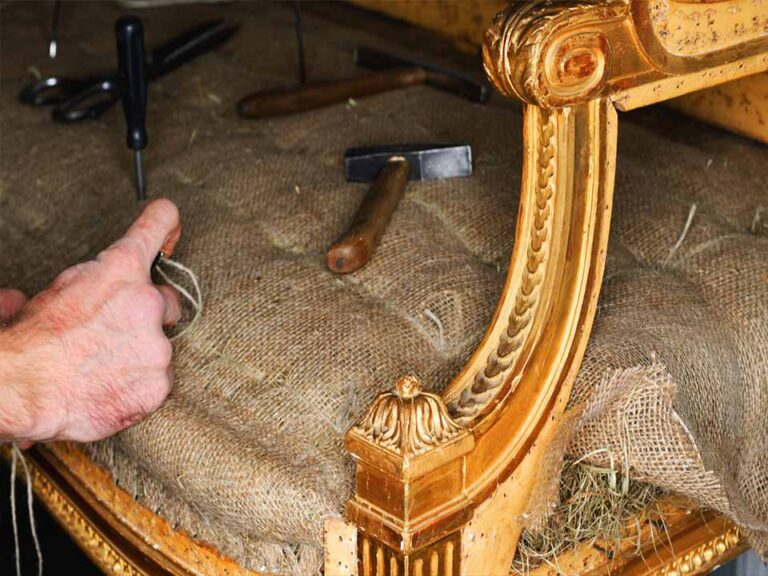
How professional technicians diagnose hidden sofa damage before starting restoration work
Professional technicians follow systematic inspection methods to identify hidden issues before repair begins.
Typical diagnostic steps include:
- Removing cushions and external coverings
- Inspecting frame joints and wood integrity
- Testing spring tension and elasticity
- Evaluating foam density and support quality
- Checking internal webbing strength
During detailed inspections, technicians may discover damage in seating mechanisms or internal components similar to those found in office seating systems. In many cases, people exploring seating restoration also research related services like office chair repair to understand structural repair methods across different furniture types.
Early diagnosis reduces repair time and ensures long-term results.
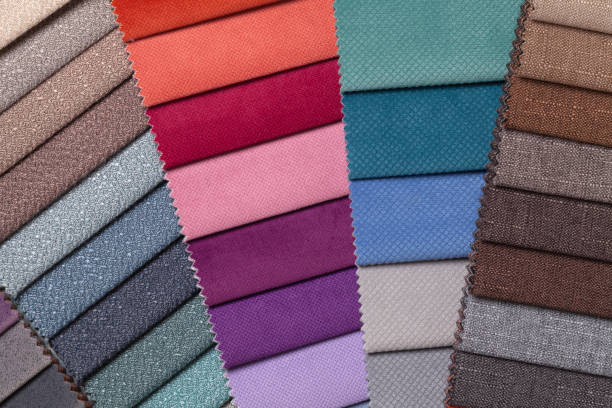
Common sofa materials and how each material type affects repair methods and durability
Different sofa materials require specialized repair techniques. Material type directly affects durability, repair complexity, and restoration outcomes.
Fabric Upholstery
- Easier to patch or replace
- Wide availability of replacement material
- May require full panel replacement for uniform appearance
Leather Upholstery
- Requires specialized restoration chemicals
- Color matching must be precise
- Sensitive to humidity and temperature changes
Synthetic Materials
- Often resistant to stains
- May require heat-based repair methods
- Can be harder to match if discontinued
Material knowledge allows technicians to select appropriate repair methods that preserve original appearance and durability.
How climate humidity and dust exposure can accelerate sofa wear and tear in homes
Environmental conditions significantly impact sofa lifespan. In dusty or humid climates, material degradation happens faster.
Environmental damage factors include:
- Dust particles embedding into fabric fibers
- Humidity weakening wood and adhesive bonds
- Heat drying out leather surfaces
- Sand particles causing micro abrasions
Sleeping furniture faces similar environmental challenges. Some homeowners explore services such as mattress repair when internal support layers degrade due to humidity or prolonged use, which often parallels sofa foam compression issues.
Regular cleaning and climate control can slow material aging.
When repairing a sofa is more practical compared to replacing the entire furniture unit
Repair is often more practical when structural integrity is still recoverable. Replacement becomes necessary only when damage is widespread or the frame is beyond restoration.
Repair is usually practical when:
- Frame damage is localized
- Upholstery is partially worn but replaceable
- Springs are repairable
- Foam can be replaced independently
Replacement may be necessary when:
- Frame is completely broken
- Extensive mold or water damage exists
- Repair cost exceeds long-term value
Understanding these differences helps homeowners make informed maintenance decisions without unnecessary replacement.
Conclusion
Sofa repair is not only about fixing visible damage. It involves restoring structural integrity, maintaining comfort, and extending furniture lifespan. Many types of damage develop slowly and can be repaired effectively when detected early.
By understanding materials, structural warning signs, and environmental effects, homeowners can make better decisions about maintenance and restoration. Proper care and timely repair often preserve furniture quality for many additional years.
FAQs
What types of sofa damage can usually be repaired successfully?
Most structural damage such as spring replacement, frame reinforcement, foam replacement, and upholstery repair can be successfully restored depending on severity.
How long does a typical sofa restoration process usually take?
Most standard repairs take between a few hours to several days depending on structural damage complexity and material replacement requirements.
Can old sofas be restored to look almost like new again?
Yes, if the frame is stable and materials are available, upholstery replacement and structural repair can restore appearance and comfort significantly.
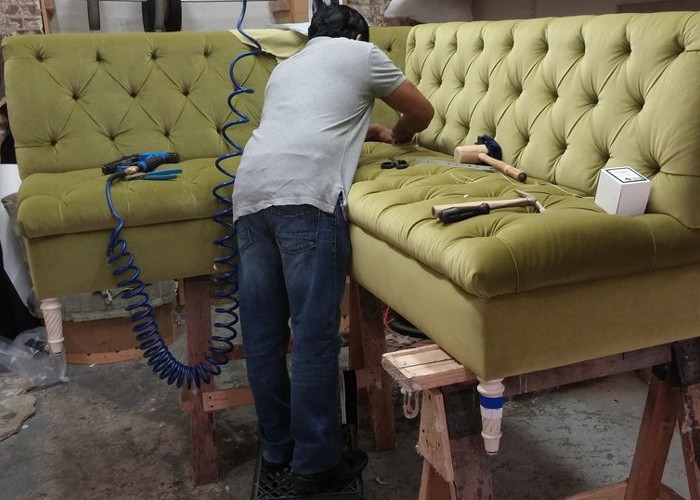
What tools are commonly used during professional sofa restoration?
Technicians commonly use staple guns, tension tools, foam cutters, stitching machines, and structural reinforcement equipment.
Does fabric type affect the repair difficulty or repair method?
Yes, natural fabrics, leather, and synthetic materials all require different repair approaches, tools, and restoration products to achieve proper results.