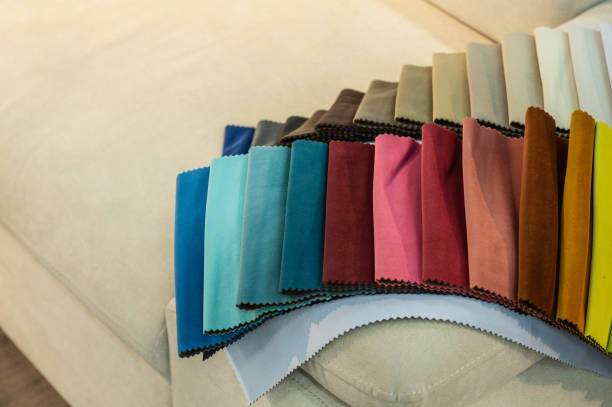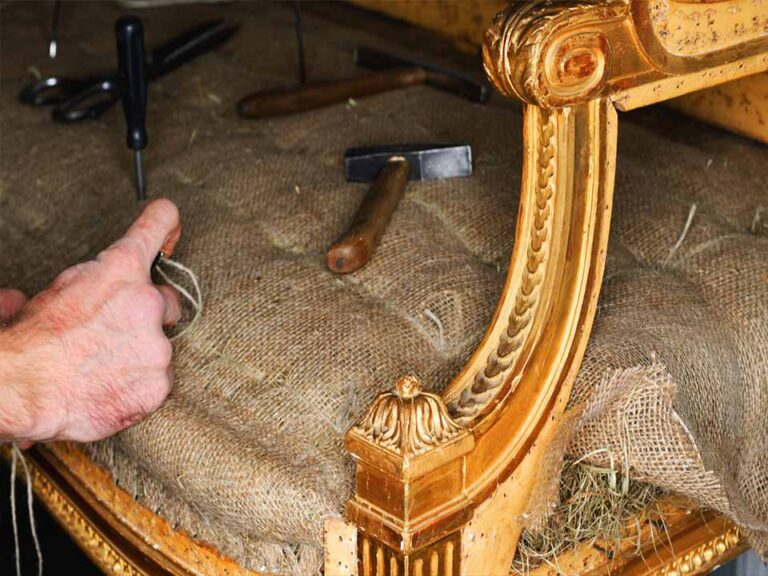
Sofas are often one of the most used pieces of furniture in any living space. Over time, daily use naturally causes fabric wear, cushioning compression, and visual fading. However, damage or aging does not always mean replacement is necessary. Many homeowners choose restoration methods to extend the lifespan of their existing furniture while maintaining comfort and appearance.
Understanding restoration options helps people make informed decisions about furniture care. Instead of discarding furniture that still has a strong frame, restoration techniques can bring new life to seating pieces. Learning how restoration works, when it is appropriate, and what results to expect can help homeowners preserve both functionality and style.
Understanding the complete process of restoring old sofas through fabric and padding replacement techniques
Restoring an old sofa involves multiple detailed steps that go far beyond simply replacing fabric. The process usually begins with a full inspection of the frame, springs, webbing, and cushioning layers.
Typical restoration steps include:
- Removing old upholstery fabric carefully
- Inspecting internal wood frame for damage or weakness
- Repairing or reinforcing structural components
- Replacing worn padding and foam layers
- Installing new upholstery fabric and stitching
- Final finishing and comfort testing
Many homeowners researching sofa reupholstery are surprised to learn how technical and craftsmanship-driven the process actually is. Each layer inside the sofa contributes to overall comfort, durability, and shape retention.
Signs that indicate your current sofa structure is still strong enough for restoration instead of replacement
Not all old sofas are ideal candidates for restoration. The internal frame condition is the most important factor when deciding whether restoration is practical.
Signs your sofa is suitable for restoration include:
- Solid hardwood frame construction
- Minimal cracking or splitting in support joints
- Springs that still hold shape with minor repair needs
- Cushions that have flattened but still provide base structure
Warning signs that may indicate replacement is better include:
- Frame warping or major structural cracks
- Extensive mold or water damage inside cushioning
- Severe pest damage within wooden components
If the internal structure is strong, restoration can significantly extend usable life.
Comparing fabric types and durability factors for long term seating comfort and performance outcomes
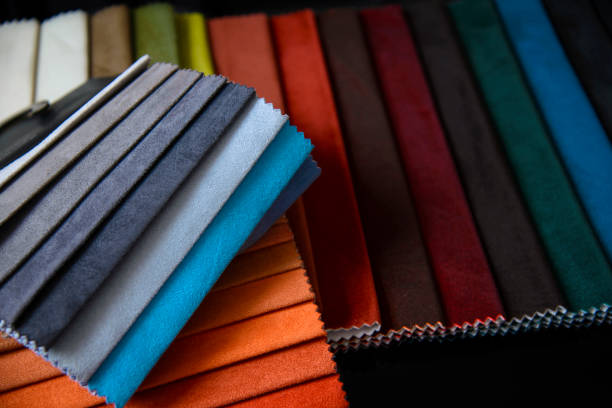
Fabric selection plays a major role in how long restored furniture lasts. Different materials offer unique durability levels, cleaning requirements, and comfort textures.
Common upholstery material categories:
Natural Fabrics
- Cotton blends
- Linen
- Wool blends
Synthetic Fabrics
- Polyester
- Nylon blends
- Microfiber
Performance Fabrics
- Stain-resistant treated fibers
- Pet-resistant weaves
- Moisture-resistant materials
Choosing the right material depends on lifestyle, climate, and frequency of use.
How professional restoration improves furniture lifespan while maintaining original design character
Professional restoration focuses on preserving the original shape and character of furniture. This is especially important for culturally or stylistically unique seating designs.
For example, traditional seating styles like arabian majlis often rely on specific structural arrangements and fabric layering techniques. Restoration helps maintain these traditional design elements while improving durability and comfort using modern internal materials.
Benefits of professional restoration include:
- Maintaining original craftsmanship details
- Improving seating comfort using modern foam technology
- Strengthening structural integrity without altering appearance
- Preserving sentimental or cultural value
Environmental advantages of restoring existing furniture instead of contributing to landfill waste problems
Furniture waste is a growing environmental concern. Large furniture pieces take years to decompose and often contain synthetic materials that impact landfills.
Restoration supports sustainability by:
- Reducing landfill waste
- Minimizing demand for new raw materials
- Extending usable life of existing furniture
- Supporting circular economy practices
Choosing restoration over replacement can reduce environmental impact while still achieving updated aesthetics and comfort.
Common mistakes homeowners make when attempting DIY furniture restoration without proper tools or training
DIY furniture restoration can be rewarding, but it often requires specialized tools and technical knowledge. Many homeowners underestimate the complexity of internal structure repairs.
Common DIY mistakes include:
- Using incorrect foam density for seating support
- Improper fabric tension during reinstallation
- Damaging frame joints during disassembly
- Ignoring spring alignment and support balance
Furniture restoration often requires precision similar to mechanical repair work. Just like searching for office chair repair near me for ergonomic seating maintenance, furniture restoration benefits from professional expertise and proper equipment.
Maintenance practices that help extend the life of restored sofas for many additional years of use
Once furniture is restored, proper maintenance helps preserve its condition long term.
Recommended maintenance habits:
Weekly Care
- Light vacuuming to remove dust and debris
- Cushion rotation to distribute wear evenly
Monthly Care
- Spot cleaning minor stains quickly
- Checking seams and stitching integrity
Annual Care
- Professional deep cleaning if heavily used
- Cushion foam inspection for compression signs
Proper maintenance can significantly extend lifespan after restoration.
Conclusion
Furniture restoration is a practical and environmentally responsible approach to extending the life of sofas that still have strong internal structures. By understanding how restoration works, recognizing when it is appropriate, and maintaining furniture properly afterward, homeowners can preserve both comfort and design value.
Learning about restoration methods also helps people make better long-term decisions about furniture care. With proper evaluation and maintenance, restored sofas can remain functional and comfortable for many years.
FAQs
How long does a typical sofa restoration process usually take?
Most restoration projects take between one to three weeks depending on damage level, material selection, and structural repair requirements.
What types of sofa frames are best suited for restoration work?
Solid hardwood frames generally perform best because they maintain structural integrity longer and tolerate repair processes better than particle board or softwood.
Can antique sofas be restored without losing their original value?
Yes, when restoration is done carefully using appropriate techniques and materials, it can preserve or even enhance historical and functional value.
What materials are commonly used inside modern sofa cushioning?
High-density foam, memory foam layers, polyester fiberfill, and spring support systems are commonly used for comfort and durability.
How often should restored sofas be professionally cleaned or maintained?
Professional cleaning is usually recommended once per year for average use and twice per year for heavy use environments.
Does restoring furniture change its original comfort level?
In many cases, restoration improves comfort because modern padding materials provide better support and shape retention than older materials.