Furniture naturally experiences wear over time due to daily use, environmental exposure, and aging materials. Upholstery plays a critical role in maintaining both the comfort and structural performance of furniture pieces. Understanding how restoration services operate helps homeowners make informed decisions about maintaining their furniture instead of replacing it unnecessarily.
Many people are unaware of how detailed and technical upholstery restoration can be. It involves structural inspection, material science, stitching precision, and environmental considerations. Learning how these services work provides valuable insight into furniture longevity and performance optimization.
Step by step explanation of how local furniture restoration services evaluate damaged furniture condition
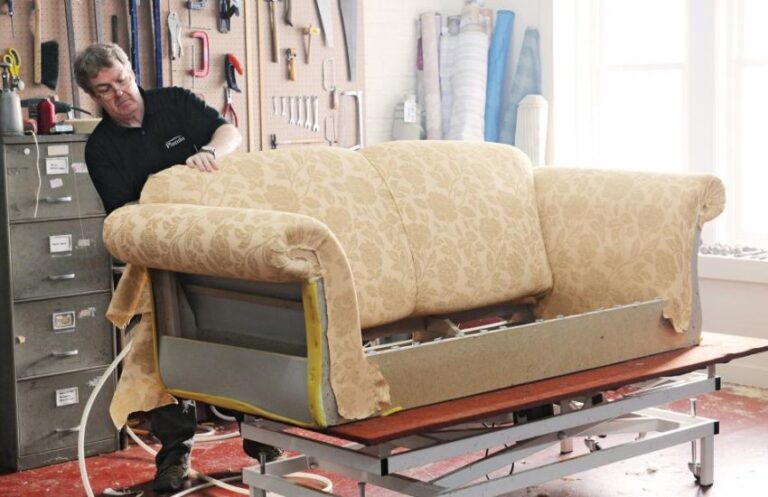
The first stage of any restoration process begins with a detailed evaluation. Professionals examine both visible damage and hidden structural components before deciding the best restoration method.
The evaluation process typically includes:
- Visual inspection of outer fabric wear and tear
- Checking cushion compression and foam breakdown
- Inspecting wooden or metal internal frame stability
- Testing spring systems and weight distribution
- Identifying moisture or mold damage inside layers
- Evaluating stitching strength and seam integrity
Many homeowners researching furniture upholstery near me want to understand whether their furniture is suitable for restoration. Proper evaluation ensures restoration efforts focus on long-term structural integrity rather than only cosmetic improvement.
Different upholstery stitching techniques used for modern furniture durability and aesthetic appeal
Stitching methods directly influence how long upholstery fabric remains secure and visually consistent. Modern furniture often uses advanced stitching techniques designed to withstand frequent use.
Common stitching methods include:
Lock Stitching
- Prevents seam unraveling under pressure
- Common in seat cushions and armrest edges
Double Stitch Reinforcement
- Provides extra strength in high stress zones
- Often used in commercial seating furniture
Blind Stitching
- Improves aesthetic finish by hiding thread lines
- Common in premium furniture upholstery designs
Precision stitching ensures fabric tension remains even, preventing premature wear and structural stress.
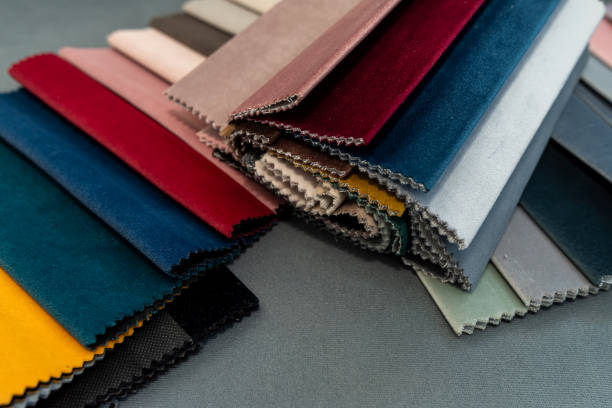
How material selection impacts furniture longevity, comfort levels, and daily wear resistance
Material choice plays one of the biggest roles in determining how furniture performs over time. Fabric durability, breathability, and resistance to staining all influence long-term usability.
Key material factors include:
- Thread count and weave density
- Moisture resistance capability
- Abrasion resistance rating
- Ease of cleaning and maintenance
High-traffic furniture benefits from performance fabrics, while decorative furniture may prioritize appearance over durability.
The role of foam density and internal support structures in overall furniture performance quality
Internal cushioning systems are responsible for long-term comfort and support. Foam density determines how well furniture maintains shape and weight distribution.
Foam density categories:
Low Density Foam
- Softer feel initially
- Compresses faster over time
Medium Density Foam
- Balanced comfort and durability
- Common in residential furniture
High Density Foam
- Strong long-term shape retention
- Often used in commercial or heavy-use furniture
Many structural repairs involve replacing internal foam layers, similar to processes used during bed repairing where support and pressure distribution directly impact comfort quality.
Why professional upholstery services often provide better structural results than home repair attempts
Professional restoration involves specialized tools, material knowledge, and structural understanding that DIY repairs often lack.
Professional advantages include:
- Industrial-grade stitching equipment
- Accurate foam cutting and shaping tools
- Frame reinforcement techniques
- Material compatibility knowledge
DIY repairs may temporarily improve appearance but often fail to restore internal support systems properly.
Professionals also understand weight distribution science and ergonomic structure design.
How climate and humidity levels can affect furniture fabric condition over extended periods
Environmental conditions significantly influence upholstery lifespan. High humidity, temperature fluctuations, and dust exposure can degrade materials faster.
Climate-related effects include:
High Humidity
- Promotes mold growth
- Weakens fabric fibers
Dry Climate
- Causes fabric brittleness
- Accelerates cracking in leather materials
Temperature Fluctuations
- Expands and contracts internal materials
- Weakens adhesive bonding layers
Furniture in work environments often requires maintenance similar to seating systems serviced through searches like office chair repair shop near me, where climate exposure and constant usage both affect structural durability.
Understanding inspection methods professionals use before starting restoration or structural repairs
Before starting any repair or restoration work, professionals perform advanced diagnostic inspections to ensure the best outcome.
Inspection techniques include:
Pressure Testing
- Determines foam resilience and spring performance
Frame Load Testing
- Identifies weak structural joints
Moisture Detection
- Locates hidden water damage or mold risk
Material Integrity Testing
- Evaluates fabric tensile strength
These inspection steps help determine whether full restoration, partial repair, or structural reinforcement is most appropriate.
Conclusion
Understanding how upholstery restoration services work helps homeowners make informed decisions about furniture maintenance. Upholstery is not only about appearance — it directly affects comfort, durability, and structural integrity.
With proper evaluation, material selection, and maintenance planning, restored furniture can provide long-term performance and comfort. Knowledge of environmental impact, material science, and structural repair methods empowers homeowners to extend furniture lifespan efficiently.
FAQs
What types of furniture can usually be restored through upholstery services?
Most sofas, chairs, headboards, ottomans, and benches with strong internal frames can typically be restored.
How do professionals match old furniture fabric with new materials?
Professionals use fabric pattern matching, color calibration tools, and supplier databases to find close or identical material matches.
What causes upholstery foam to lose shape over time?
Constant compression, body weight pressure, moisture exposure, and low-density foam quality all contribute to foam breakdown.
Are modern upholstery materials more durable than traditional ones?
Many modern performance fabrics are designed to resist stains, fading, and abrasion better than older natural fiber fabrics.
How can homeowners protect upholstery from daily wear and tear?
Using protective covers, rotating cushions, vacuuming regularly, and avoiding direct sunlight exposure can help extend fabric lifespan.
What preparation is needed before sending furniture for restoration?
Cleaning the furniture, documenting damage areas, and removing personal items helps streamline the restoration process.