Beds are one of the most heavily used pieces of furniture in any home, yet they are often overlooked until something goes wrong. Over time, constant pressure, shifting weight, humidity, and general wear can weaken structural components such as slats, joints, or center supports. Understanding how bed structures work helps homeowners recognize early warning signs before small issues become major problems.
Learning how to maintain and restore bed stability is not only useful for comfort but also for safety. A damaged bed frame can affect mattress performance, sleep posture, and overall durability of bedroom furniture. This guide explores common structural problems, diagnostic methods, repair approaches, and preventive maintenance strategies that help extend bed lifespan.
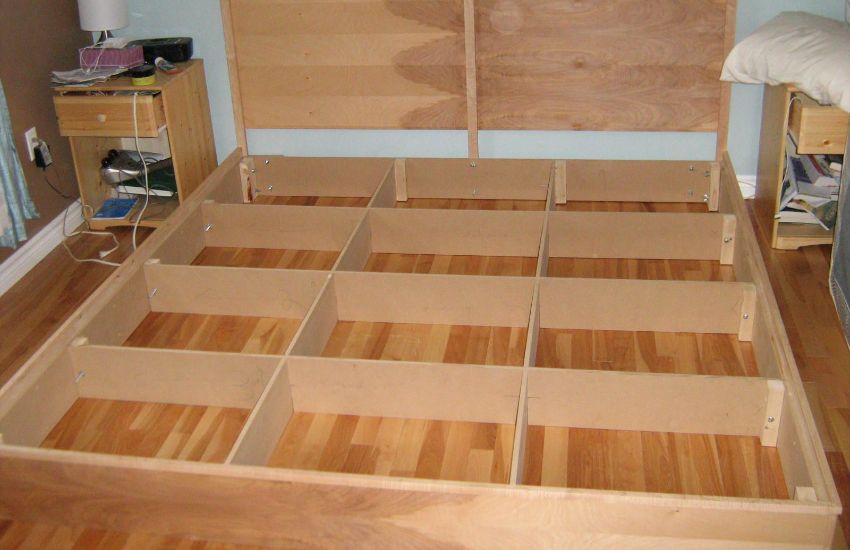
Understanding the most common structural problems found in beds and how they develop over time due to usage and material fatigue
Beds experience continuous stress from body weight, movement, and environmental exposure. Over time, materials naturally weaken.
Common structural problems include:
- Loose joints caused by repeated motion and vibration
- Cracked or split wooden slats from uneven weight distribution
- Bent metal frames from long-term pressure
- Worn center supports leading to mattress sagging
- Fastener loosening due to wood expansion and contraction
Material fatigue often occurs gradually. Wood can dry out and crack, while metal can develop stress points that eventually bend or warp. Early detection prevents structural collapse and preserves mattress integrity.
Many homeowners researching maintenance solutions often start by learning practical methods of bed repairing to understand safe home repair approaches.
Step-by-step explanation of identifying loose joints, broken slats, and damaged support beams safely at home
Proper inspection is the first step toward effective repair. Always remove bedding and mattress before checking the frame.
Inspection Process
- Check frame stability by gently pushing each corner
- Listen for creaking sounds when applying pressure
- Inspect slats for cracks or bending
- Examine center beams for sagging or separation
- Tighten visible screws and bolts
- Look for rust on metal frames
- Check floor contact points for uneven wear
Safety Tips
- Wear gloves to prevent splinters or cuts
- Use proper lighting when inspecting joints
- Avoid placing full body weight on suspected weak areas
Consistent inspection reduces long-term repair complexity.
Tools and materials typically required for repairing different bed frame types including wood, metal, and hybrid frames
Different bed types require different repair tools.
For Wooden Frames
- Wood glue
- Clamps
- Replacement slats
- Wood screws
- Sandpaper
For Metal Frames
- Adjustable wrench
- Metal brackets
- Rust remover
- Reinforcement plates
For Hybrid Frames
- Combination of wood and metal fasteners
- Universal repair brackets
- Structural adhesive
Using correct tools ensures repairs last longer and maintain structural integrity.
How mattress weight, sleeping habits, and environment contribute to long-term bed structural damage risks
Several hidden factors influence bed lifespan.
Mattress Weight
Heavier mattresses place constant downward pressure on slats and supports.
Sleeping Habits
Jumping, sudden movements, or sitting repeatedly on edges increases joint stress.
Environmental Factors
- High humidity weakens wooden structures
- Temperature changes expand and contract materials
- Dust buildup affects fastener tightness
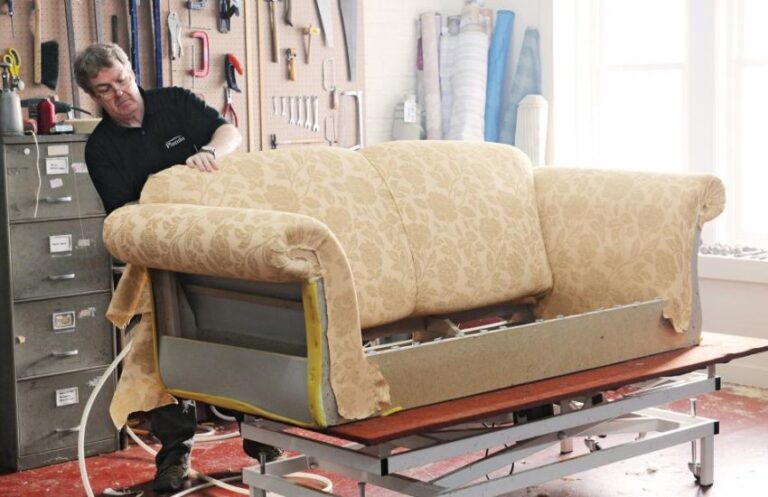
Furniture surrounding beds also impacts structural stress. For example, large seating furniture such as an upholstery sofa can face similar structural pressure patterns due to repeated usage.
Differences between temporary fixes and long-term bed repairing solutions for durability and safety improvement
Understanding repair types helps prevent repeated damage.
Temporary Fixes
- Tightening screws
- Adding extra slats temporarily
- Using support boards under mattress
Long-Term Solutions
- Replacing damaged structural parts
- Reinforcing joints with brackets
- Installing center support upgrades
- Rebuilding weakened frame sections
Long-term repairs improve safety and reduce recurring maintenance.
Safety precautions to follow before starting any DIY bed repair project to avoid injury or further damage
Repair work always carries some level of risk.
Essential Safety Guidelines
- Disconnect electrical bed components if present
- Remove mattress completely before working
- Stabilize frame on flat surface
- Use proper lifting techniques
- Keep tools organized to avoid accidents
Never rush repairs. Structural work requires patience and careful inspection at each step.
When structural bed damage indicates deeper furniture issues requiring professional inspection and assessment
Sometimes damage signals larger structural failure.
Warning Signs
- Repeated slat breakage
- Frame twisting even after tightening
- Persistent creaking after repairs
- Visible frame warping
In traditional seating environments, furniture built for communal use, such as a majlis sofa, can also experience deep structural fatigue if internal support frames weaken over time.
Professional assessment becomes necessary when structural damage spreads beyond one repairable area.
Preventive maintenance methods that help extend the life of bed frames and internal support structures
Preventive maintenance saves money, time, and effort long term.
Maintenance Checklist
- Tighten screws every 6 months
- Rotate mattress regularly
- Inspect slats quarterly
- Clean frame surfaces to prevent corrosion
- Check floor leveling to reduce uneven stress
Long-Term Prevention Tips
- Use mattress protectors to reduce moisture buildup
- Avoid standing or jumping on beds
- Maintain stable indoor humidity levels
Small habits significantly extend furniture lifespan.
Conclusion
Bed structural problems are common but manageable when identified early. Understanding how materials wear, how weight distributes across frames, and how environmental conditions affect structure helps prevent sudden failures. Regular inspection, proper tool usage, and preventive maintenance are key to long-lasting bed performance.
Taking a proactive approach ensures not only comfort but also safety and furniture durability. Whether performing minor tightening or planning structural reinforcement, knowledge and preparation make repairs more effective.
FAQs
What are the most common causes of bed frame damage over time?
Frequent weight pressure, loose joints, humidity exposure, and low-quality materials are primary causes.
How can I tell if my bed slats need repair or replacement?
Look for visible cracks, bending, or uneven mattress support. Creaking sounds are also common indicators.
Is it safe to repair a broken bed frame without professional tools?
Minor tightening may be safe, but structural repairs require proper tools to avoid further damage.
How often should bed frames be inspected for structural problems?
Every 3 to 6 months is recommended for early problem detection.
Can humidity or climate conditions weaken bed frame materials?
Yes. Moisture can weaken wood and cause metal corrosion over time.
What types of bed frames are easiest to repair at home?
Simple wooden slat frames are generally easier to repair compared to complex hybrid or hydraulic bed systems.