The Moroccan majlis is a traditional seating and gathering concept deeply rooted in social, cultural, and architectural history. Originating from North African hospitality traditions, the majlis represents a communal space designed to encourage conversation, connection, and comfort. Over time, this concept has evolved beyond its original regional roots and is now appreciated globally for both its functionality and visual elegance.
In modern homes, majlis-style seating continues to influence interior layouts, particularly in homes that value communal interaction and cultural storytelling through design. The majlis is not simply furniture or seating — it is a reflection of social values, hospitality, and shared experiences. In regions influenced by North African and Middle Eastern traditions, this design continues to shape how living spaces are organized and experienced.
Historical purpose of majlis seating arrangements in North African social traditions
Historically, the majlis served as the central social hub within homes. Families and guests gathered in this space to discuss community matters, celebrate occasions, and host visitors. The word “majlis” itself translates to “a place of sitting,” which highlights its primary function as a shared social environment.
In traditional homes across Morocco, majlis spaces were often positioned near entrances to allow guests to be welcomed respectfully without intruding into private family areas. These seating spaces were designed for long gatherings, often lasting several hours.
Key historical purposes included:
- Hosting community discussions
- Welcoming travelers and guests
- Celebrating family events
- Sharing meals and tea ceremonies
- Conducting informal business discussions
Today, modern interpretations still preserve these social functions while adapting to contemporary home layouts.
Architectural layout differences between traditional majlis rooms and modern living rooms
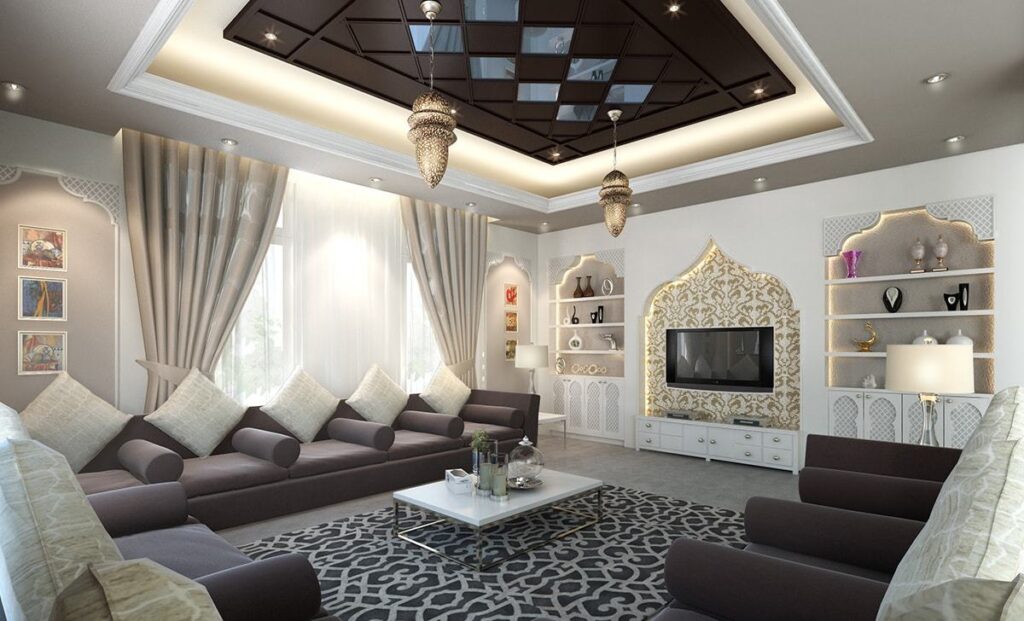
Traditional majlis rooms differ significantly from standard modern living rooms. Instead of focusing on television placement or entertainment centers, majlis rooms emphasize equal seating access and face-to-face interaction.
Traditional layout characteristics include:
- Seating arranged along walls instead of centered furniture
- Large open floor spaces for flexibility
- Symmetrical cushion placement for balance
- Minimal height difference between seating areas
Modern living rooms typically focus on entertainment systems, while majlis rooms focus on social interaction and shared conversation.
In many modern homes, people researching traditional seating often explore cultural concepts like the moroccan majlis to better understand historical design influences on modern interior layouts.
How social gatherings influenced majlis seating comfort and furniture positioning
Social gatherings historically shaped majlis seating structure. Because guests often stayed for extended periods, seating had to prioritize comfort and accessibility.
Design features influenced by social needs include:
- Thick base cushions for long sitting sessions
- Back support cushions placed along walls
- Low seating height for relaxed posture
- Modular cushions allowing rearrangement for different group sizes
This flexibility allowed majlis spaces to accommodate small family meetings or large social gatherings equally well.
The cultural meaning of hospitality and guest seating in majlis traditions
Hospitality is central to majlis culture. Seating arrangement itself communicates respect and status. Guests are usually seated in positions of honor based on relationship, age, or social role.
Cultural hospitality practices often include:
- Offering tea or coffee immediately upon seating
- Ensuring guests have the most comfortable seating
- Maintaining visually balanced seating arrangements
- Using decorative textiles to create warmth and welcome
Because seating is central to hospitality, maintaining furniture quality becomes important. Many homeowners preserving traditional seating comfort often look into services such as chair repairing shop near me when maintaining long-used seating structures.
How textile choices and embroidery reflect regional Moroccan identity and heritage
Textiles play a major role in majlis identity. Fabric patterns, embroidery techniques, and color choices often reflect regional culture and artisan heritage.
Common textile characteristics include:
- Handwoven geometric embroidery
- Natural dye color palettes
- Layered textile cushion designs
- Thick woven fabrics for durability
Textiles also serve practical purposes by improving seating comfort and regulating temperature.
Differences between majlis seating styles across North Africa and the Gulf region
While majlis seating originated in North Africa, it evolved differently as it spread to Gulf regions. Cultural exchange introduced new materials and layout variations.
North African majlis often features:
- Lower seating heights
- Heavy textile layering
- Strong geometric pattern emphasis
Gulf region adaptations often include:
- Higher seating cushions
- More structured frame support
- Climate-resistant upholstery fabrics
- Larger seating layouts for extended families
Maintenance also differs depending on material choices. For example, homes using leather upholstery sometimes research solutions like leather restoration near me to preserve traditional seating materials while maintaining comfort.
How majlis seating supports long social gatherings and communal interaction comfort
Majlis seating is designed specifically for extended social time. Unlike modern sofa arrangements, majlis seating supports multiple sitting postures and encourages relaxed conversation.
Comfort features include:
- Layered cushions for adjustable firmness
- Continuous seating allowing movement without disruption
- Soft textile layering reducing pressure points
- Low seating height encouraging relaxation
This design naturally encourages people to stay longer, supporting deeper social interaction.
The evolution of majlis furniture materials from natural fibers to modern upholstery
Traditional majlis seating used natural fibers such as cotton, wool, and natural leather. These materials were selected for durability and availability.
Modern materials now include:
- Synthetic performance fabrics
- Foam cushioning layers
- Hybrid natural-synthetic upholstery
- Climate-resistant textile blends
Despite material changes, designers often maintain traditional visual aesthetics to preserve cultural identity.
Conclusion
The Moroccan majlis represents a powerful intersection of culture, architecture, and social values. It is more than seating — it is a reflection of hospitality, tradition, and community-centered living. As global design continues to embrace cultural diversity, majlis-inspired interiors are becoming increasingly appreciated for their comfort and symbolic meaning.
By understanding the historical purpose, material evolution, and cultural importance of majlis seating, homeowners and designers can better appreciate its role in shaping both traditional and modern living spaces.
FAQs
What is the main cultural purpose of a traditional majlis room?
The main purpose is to provide a comfortable shared space for hosting guests, family discussions, and community gatherings.
How does majlis seating support social and family gatherings?
It provides continuous seating, flexible arrangements, and comfort designed for long conversations and shared time.
What materials are traditionally used in majlis seating cushions?
Traditionally, cotton, wool, and natural leather were commonly used, often combined with handcrafted textiles.
How is majlis design different from standard sofa living room layouts?
Majlis focuses on wall-aligned seating, social interaction, and communal gathering rather than entertainment-centered layouts.
Why is floor-level seating common in majlis furniture design?
Floor-level seating encourages relaxed posture, extended comfort, and closer social interaction among guests.
How has majlis furniture changed in modern homes?
Modern majlis furniture often uses advanced upholstery materials and ergonomic support while maintaining traditional visual design elements.