Moroccan furniture is globally admired for its intricate craftsmanship, deep cultural symbolism, and artistic storytelling through design. Rooted in centuries of artisan traditions, it blends functionality with decorative beauty. Many modern interiors now adopt Moroccan furniture styles because they combine comfort with striking visual character.
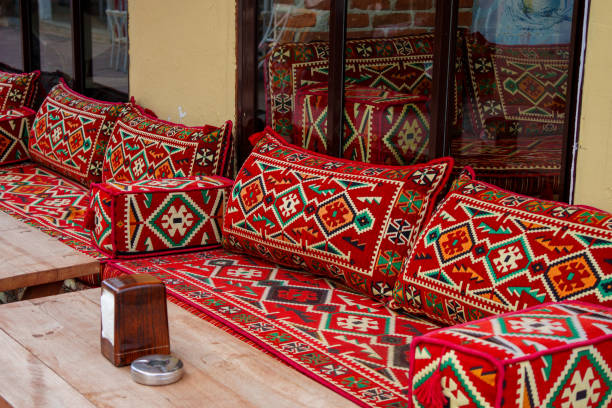
In global design hubs, traditional Moroccan aesthetics are increasingly integrated into modern homes. The influence can be seen in carved wood seating, patterned textiles, and low-profile seating arrangements. Understanding Moroccan furniture helps homeowners, designers, and culture enthusiasts appreciate the balance between heritage and modern interior needs.
Historical origins of Moroccan furniture design and cultural symbolism in modern interiors
Moroccan furniture traces its origins to centuries of artisan craftsmanship influenced by Berber, Arab, and Andalusian traditions. Historically, furniture pieces were handcrafted for both practical living and ceremonial purposes. Seating areas often reflected hospitality culture, where guests were welcomed warmly and seated comfortably for long conversations.
Symbolism plays a strong role in Moroccan design. Patterns often represent protection, unity, and spiritual beliefs. Geometric carvings and mosaic work were historically used in palaces, mosques, and traditional homes.
Modern interiors now reinterpret these elements by:
- Using simplified geometric patterns
- Combining traditional woodwork with modern fabrics
- Maintaining low seating arrangements for relaxed living
- Incorporating decorative metal or brass accents
Today, Moroccan design is less about status and more about artistic identity and cultural appreciation.
Key materials traditionally used in handcrafted North African home furniture production
Moroccan furniture is known for durable, natural materials selected for both beauty and longevity. Traditional craftsmen focus on materials that age well and maintain structural integrity.
Common traditional materials include:
- Cedar wood – Resistant to insects and naturally aromatic
- Thuya wood – Known for detailed decorative grain patterns
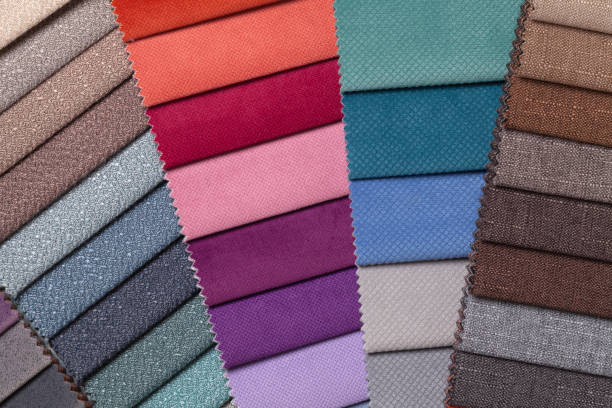
- Handwoven textiles – Often made from cotton, wool, or silk blends
- Brass and copper accents – Used for decorative inlays and trims
- Natural leather – Often used in seating and decorative elements
When researching home maintenance solutions, many homeowners exploring traditional seating restoration often search for services such as upholstery near me to maintain the longevity of textile-based furniture structures.
The choice of materials reflects sustainability and tradition, with many pieces designed to last generations.
How geometric patterns and carvings influence global interior design trends today
Moroccan geometric patterns have become influential worldwide. Designers admire their mathematical precision and visual harmony. Unlike random decorative patterns, Moroccan geometry follows complex symmetrical rules.
Global interior designers incorporate Moroccan pattern principles by:
- Using repeating tile patterns in flooring and walls
- Integrating carved wood panels as statement pieces
- Applying pattern-based textiles to soften modern minimalist interiors
- Using contrast colors to highlight geometric shapes
These patterns are versatile and work well in both traditional and contemporary spaces.
Differences between traditional handmade pieces and modern manufactured alternatives
Traditional Moroccan furniture is usually handcrafted by skilled artisans using manual carving tools and hand-assembly methods. Each piece is slightly unique due to the handmade process.
Modern manufactured alternatives focus on:
- Faster production times
- Standardized sizing
- Machine-cut carvings
- Synthetic material blending
While modern versions improve accessibility, handmade pieces still hold higher cultural and artistic value.
Many homeowners who invest in traditional-style furniture also prioritize maintenance of comfort features such as bedding or seating support. This is why people sometimes search for solutions like mattress repair near me when preserving traditional home comfort elements.
How Moroccan seating concepts evolved in Abu Dhabi and Gulf interior culture
Moroccan seating concepts have influenced Gulf region interiors significantly. Traditional floor seating arrangements align well with regional hospitality customs.
Over time, adaptations were made, including:
- Higher cushion stacking for added comfort
- Integration with modern architectural layouts
- Use of climate-resistant upholstery fabrics
- Blending Moroccan carving with Gulf textile aesthetics
This cultural exchange created hybrid interior styles combining Moroccan artistic detail with Gulf comfort expectations.
Ways artisans preserve heritage techniques while adapting to contemporary homes
Modern Moroccan artisans face the challenge of maintaining traditional craftsmanship while meeting modern lifestyle needs.
They achieve this by:
- Using traditional carving methods but adjusting furniture sizes
- Mixing classic patterns with neutral modern color palettes
- Reinforcing furniture frames for heavier daily use
- Incorporating ergonomic design without losing traditional appearance
Preservation is important because it keeps cultural identity alive while ensuring furniture remains practical for modern living environments.
Understanding color palettes commonly found in authentic Moroccan home décor pieces
Moroccan interiors traditionally use bold, rich color palettes inspired by natural landscapes and cultural symbolism.
Common traditional colors include:
- Deep reds symbolizing strength and protection
- Royal blues representing spirituality and calmness
- Earth tones reflecting desert and mountain landscapes
- Gold accents symbolizing luxury and craftsmanship
Modern Moroccan-inspired interiors often soften these palettes by mixing bold accents with neutral backgrounds.
How handcrafted wood and metal detailing affects durability and furniture lifespan
Handcrafted detailing is not only decorative but structural. Traditional joinery methods often avoid nails or synthetic adhesives, relying instead on precise wood fitting.
Benefits of handcrafted detailing include:
- Higher structural stability over time
- Easier repair and restoration
- Stronger resistance to environmental wear
- Unique aging patterns that enhance visual appeal
Homeowners preserving traditional handcrafted seating sometimes explore restoration craftsmanship such as moroccan furniture dubai when learning about regional furniture adaptation and maintenance approaches.
Conclusion
Moroccan furniture represents more than interior decoration. It reflects centuries of craftsmanship, cultural storytelling, and functional artistry. From material selection to geometric pattern symbolism, every element serves both practical and artistic purposes.
As Moroccan furniture continues influencing global interior design, its ability to balance tradition with modern adaptation ensures it remains relevant across cultures and generations.
FAQs
What makes Moroccan furniture different from other regional furniture styles?
Moroccan furniture combines geometric mathematical patterns, handcrafted detailing, and cultural symbolism, making it visually unique and historically rich.
Why are geometric patterns important in Moroccan interior design culture?
They represent harmony, spirituality, and mathematical precision, reflecting historical artistic and religious influences.
How is traditional Moroccan furniture usually handcrafted?
It is typically carved manually from natural wood, assembled using traditional joinery methods, and decorated using hand-applied finishes and textiles.
What types of homes typically use Moroccan-inspired interior décor?
Both traditional homes and modern apartments use Moroccan elements, especially in seating areas, accent furniture, and decorative panels.
How can someone identify authentic Moroccan craftsmanship quality?
Authentic pieces usually show minor handcrafted variations, natural material textures, and detailed carving work.
What cultural influences shaped Moroccan furniture over centuries?
Berber, Arab, and Andalusian cultural exchanges significantly shaped Moroccan furniture craftsmanship and decorative styles.