Did you know that the climate you live in could be silently damaging your upholstery? From scorching heat and freezing cold to humidity and UV rays, weather conditions play a major role in how long your furniture fabrics last. Leather may crack in dry climates, synthetics can fade under intense sun, and natural fibers like cotton are prone to mold in humid environments.
Choosing the right upholstery for your local weather—whether it’s moisture-resistant polyester for rainy regions or UV-protected acrylic for sunny patios—can save you money and preserve your furniture’s beauty. This guide explores how temperature, humidity, sunlight, and rain affect upholstery, plus practical maintenance tips to help you protect your investment no matter where you live.
Climate plays a pivotal role in determining how long upholstery lasts. Variations in temperature, humidity, and exposure to sunlight can significantly impact the lifespan of your furniture fabrics. Upholstery materials are designed differently for specific conditions, and understanding this connection helps homeowners choose wisely. For instance, leather may thrive in low-humidity climates but crack in extreme dryness. Similarly, synthetic fabrics might perform poorly under intense sunlight. By aligning upholstery choices with local climate conditions and maintaining them accordingly, you can protect your investment, ensuring your furniture stays durable and visually appealing for years to come.
Effects of Temperature on Upholstery
Temperature extremes can be harsh on upholstery. Prolonged heat exposure weakens fabric fibers, causing them to fade or lose elasticity, especially in synthetic materials. Conversely, cold temperatures can make materials brittle, particularly leather and certain plastics. These issues are exacerbated when temperature fluctuations are frequent, as the expansion and contraction of materials hasten wear and tear. Homeowners in hot climates should prioritize heat-resistant fabrics, while those in colder regions can benefit from natural materials like wool. Ensuring a stable indoor temperature through insulation or climate control can significantly extend upholstery longevity, regardless of external weather conditions.
Humidity and Its Role in Upholstery Lifespan
Humidity levels directly influence upholstery durability. In high-humidity environments, excess moisture creates a breeding ground for mold and mildew, leading to unpleasant odors, discoloration, and fabric decay. Wooden upholstery frames may also warp due to moisture absorption. On the other hand, low humidity can dry out natural materials like leather, causing cracks and stiffness. Upholstery choices should reflect the local humidity—opt for moisture-resistant synthetic fabrics in damp areas or invest in dehumidifiers. Leather conditioners and fabric protectants can counteract damage caused by dry climates, maintaining the material’s flexibility and preventing premature deterioration.
Sunlight and UV Exposure
Sunlight is one of the most common culprits of upholstery damage. Constant UV exposure fades colors, weakens fabric fibers, and can even degrade synthetic materials over time. Leather and silk are particularly prone to discoloration, losing their sheen and suppleness. To mitigate these effects, homeowners can choose UV-resistant fabrics, use protective sprays, or arrange furniture away from direct sunlight. Window treatments like UV-blocking curtains or blinds also provide effective shielding. For outdoor furniture, selecting materials specifically designed to endure prolonged sun exposure ensures lasting vibrancy and strength, even in sunny climates.
Rain and Outdoor Upholstery
Rain and moisture exposure can wreak havoc on outdoor upholstery. Fabrics not designed for water resistance can absorb moisture, leading to mold, mildew, and structural damage. Water can also seep into cushions, creating long-term issues like odor and fabric rot. Using weather-resistant materials such as treated polyester or solution-dyed acrylic ensures that outdoor furniture withstands rain. Protective covers and regular waterproofing treatments further safeguard upholstery. For areas with frequent rain, investing in quick-drying cushions or draining mechanisms can enhance the durability and usability of outdoor furniture, making it suitable for all weather conditions.
Material Resilience to Weather Conditions
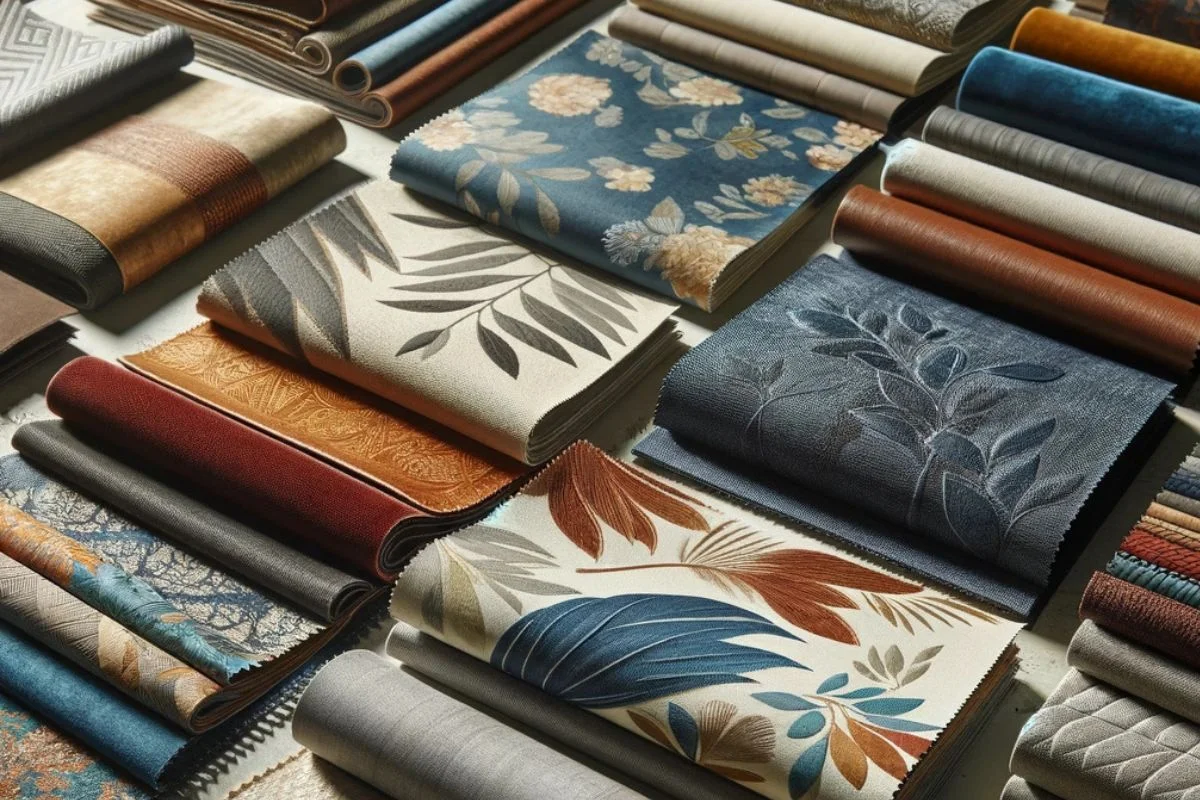
Different upholstery materials react uniquely to climatic challenges. Natural fabrics like cotton and wool perform well in mild climates but struggle with moisture absorption in humid regions. Leather thrives in moderate conditions but requires conditioning in dry climates to prevent cracking. Synthetic options like polyester and acrylic excel in high-humidity or outdoor environments due to their resistance to mold and fading. Blended fabrics often combine the best features of both, providing durability and adaptability. When choosing upholstery, it’s crucial to consider how materials respond to local weather, ensuring they retain their look and function over time.
Seasonal Variations and Upholstery Care
Seasonal changes can challenge upholstery durability. In summer, sunlight and heat might cause fading, while winter’s cold can make certain materials brittle. Homeowners can adapt by using protective covers, rotating cushions, or swapping lighter fabrics for heavier ones seasonally. For example, linen slipcovers are ideal for summer, while wool throws add warmth during winter. Regular maintenance, such as cleaning and airing out fabrics during transitional weather, also helps prevent damage. Being proactive with seasonal adjustments not only protects upholstery but also ensures a comfortable and visually appealing living space throughout the year.
Maintenance Practices to Enhance Durability
Proper care is essential for upholstery longevity in varying climates. Regular vacuuming removes dirt and debris, preventing fabric degradation. Leather should be conditioned to retain its suppleness, especially in dry regions. In humid climates, using dehumidifiers or silica gel packets can prevent mold and mildew. For outdoor furniture, waterproof sprays or UV-protectant coatings shield against rain and sun. Cleaning spills promptly and rotating cushions to ensure even wear also extend material life. Tailoring maintenance routines to match the local climate ensures your upholstery stays in pristine condition for years, regardless of environmental challenges.
Eco-Friendly and Weather-Resistant Upholstery Options
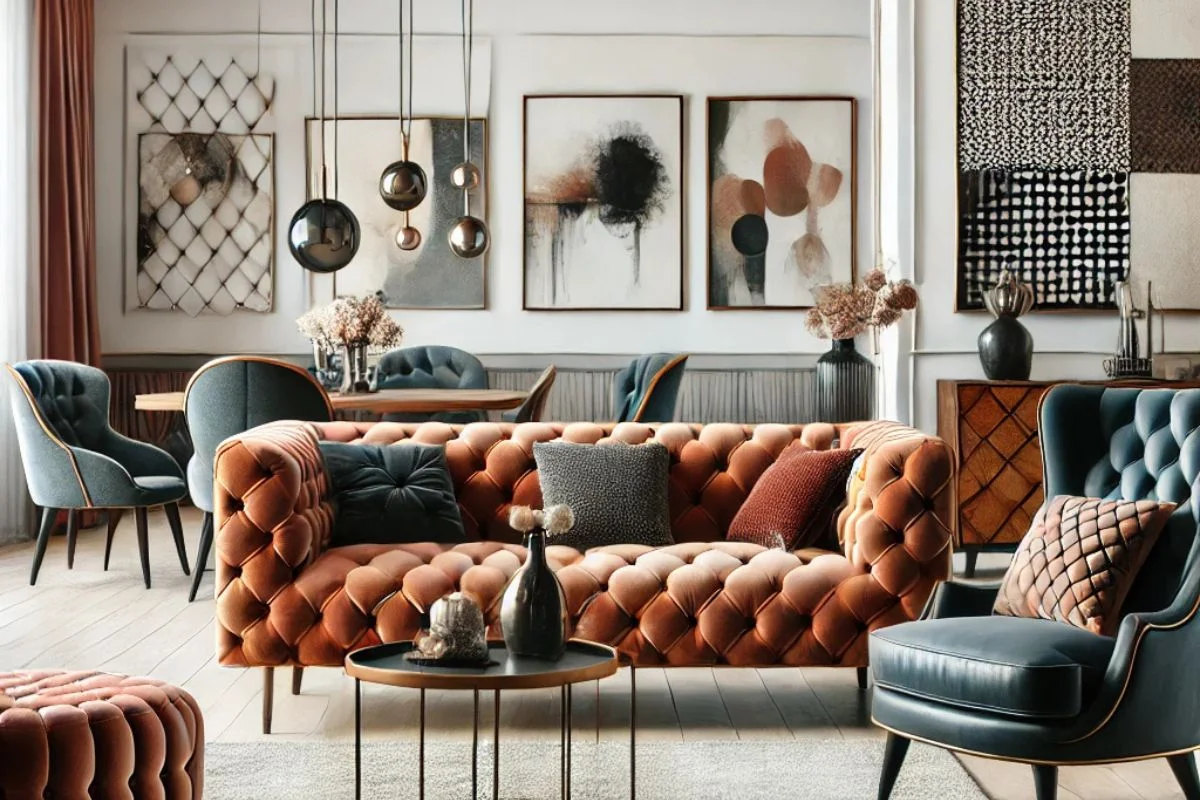
Eco-friendly upholstery options are not only sustainable but often more durable against climatic elements. Recycled polyester and solution-dyed acrylic are excellent for resisting moisture and fading, making them ideal for humid or sunny regions. Natural fabrics like organic cotton or bamboo blends offer breathability and comfort while maintaining resilience in moderate climates. Innovations in biodegradable waterproof coatings and UV-resistant treatments enhance durability without harming the environment. Opting for such materials ensures your furniture stands up to weather challenges while aligning with eco-conscious values, creating a home that’s both stylish and sustainable.
Conclusion: Choosing and Caring for Upholstery Based on Climate
Climate significantly influences upholstery durability, making informed choices vital for protecting your investment. From temperature fluctuations to humidity and UV exposure, understanding local weather conditions allows you to select materials that withstand these challenges. Regular maintenance and proactive measures like protective treatments or seasonal adjustments further enhance upholstery longevity. Eco-friendly and weather-resistant options provide sustainable solutions without compromising on style or comfort. By aligning your choices and care routines with the climate, you ensure your upholstery remains functional, attractive, and resilient for years, creating a home that effortlessly weathers the elements.
Are leather and silk upholstery suitable for all climates?
When choosing the right upholstery for a home, climate is one of the most important factors to consider. While style, color, and comfort are often the first aspects that come to mind, the durability and performance of fabrics and materials can vary greatly depending on environmental conditions. Among the most popular luxury options are leather and silk, both known for their elegance and timeless appeal. However, many homeowners and interior designers wonder: are leather and silk upholstery suitable for all climates?
Leather upholstery is prized for its durability, sophistication, and ability to add warmth and richness to a space. Yet, it is highly reactive to climate. In hot and dry regions, leather tends to dry out and crack without proper conditioning, while in humid climates it may absorb moisture, leading to mold, discoloration, or an unpleasant sticky texture. These sensitivities mean that while leather is a long-lasting investment, it requires consistent care and maintenance to remain in pristine condition depending on the weather.
frequently asked questions about Weathering the Elements
How does temperature affect upholstery materials?
High heat weakens fabric fibers, causing fading and loss of elasticity, especially in synthetics. Cold temperatures make materials like leather and plastics brittle and prone to cracking. Frequent temperature fluctuations accelerate wear as materials expand and contract repeatedly.
What upholstery fabrics work best in humid climates?
Moisture-resistant synthetic fabrics like polyester, acrylic, and solution-dyed olefin are ideal for humid regions. They resist mold, mildew, and warping. Avoid natural fibers like cotton or wool, which absorb moisture and promote fungal growth. Dehumidifiers also help protect upholstery.
Does sunlight really damage upholstery that much?
Yes, prolonged UV exposure fades colors, weakens fibers, and degrades synthetic materials. Leather and silk are especially vulnerable to discoloration and loss of suppleness. Use UV-blocking window treatments, protective sprays, or arrange furniture away from direct sunlight to prevent damage.
Can leather upholstery survive in all climates?
Not easily. Leather cracks in dry, hot climates without regular conditioning. In humid conditions, it absorbs moisture, leading to mold, stiffness, or sticky textures. Leather performs best in moderate, stable environments with consistent care using quality conditioners.
What is the best upholstery for outdoor furniture in rainy areas?
Solution-dyed acrylic (like Sunbrella) and treated polyester are top choices. They resist water absorption, mold, and mildew. Quick-dry foam cushions and waterproof covers add protection. Avoid natural fabrics and untreated cotton, which rot and degrade quickly when wet.
How can I protect upholstery from seasonal weather changes?
Use slipcovers or protective throws during extreme seasons. Rotate cushions regularly for even wear. In summer, add UV-blocking window films. In winter, maintain stable indoor humidity. Clean and air out fabrics during transitional weather to prevent mold and musty odors.
Is silk upholstery suitable for homes with strong sunlight?
No, silk is highly sensitive to UV light and fades rapidly. It also weakens and becomes brittle with prolonged exposure. Silk is best used in low-light, climate-controlled rooms away from windows. For sunny spaces, choose fade-resistant synthetics or performance fabrics instead.
What maintenance practices extend upholstery life in extreme climates?
Vacuum weekly, condition leather every 3–6 months, and use fabric protectants. In humid areas, run dehumidifiers. In dry regions, maintain humidity with humidifiers. Clean spills immediately and rotate cushions. Professional cleaning annually also helps preserve fabric integrity.
Are eco-friendly upholstery fabrics weather-resistant?
Yes, many are. Recycled polyester and solution-dyed acrylic resist moisture and UV damage. Organic cotton and bamboo blends work well in moderate climates but may need waterproof treatments. Innovations in biodegradable coatings now offer eco-friendly protection against sun and rain.
Can I use indoor upholstery fabrics on my covered porch?
Generally no. Indoor fabrics lack UV, moisture, and mildew resistance. Even on covered porches, humidity and indirect sunlight cause fading, mold, and decay. Always choose outdoor-rated fabrics labeled for weather exposure to ensure durability and longevity.