Why settle for mass-produced furniture when you can own a piece of history? Vintage upholstery styles are making a powerful comeback, and for good reason. From the luxurious feel of velvet and brocade to the durability of leather and tweed, retro designs bring unmatched character, craftsmanship, and sustainability to modern homes. Homeowners are increasingly drawn to the nostalgia, uniqueness, and eco-friendly benefits of vintage pieces, blending them seamlessly with contemporary aesthetics.
Whether it’s a Chesterfield sofa, a mid-century armchair, or bold floral prints from the 1970s, vintage upholstery tells a story while elevating interior design. This guide explores why vintage styles are trending, how to blend them with modern decor, and essential tips for buying and maintaining these timeless treasures.
Vintage upholstery styles are making a remarkable return, with retro designs now an influential part of modern interior decor. As people seek furniture that tells a story and adds character, vintage pieces have gained renewed popularity. These styles, often characterized by quality craftsmanship, unique patterns, and rich textures, offer a nostalgic allure that resonates with today’s focus on personalization and sustainability. This blog explores why vintage upholstery is trending, from its historical influences and materials to practical tips on blending it with modern aesthetics and maintaining these timeless pieces.
What is Vintage Upholstery, and Why Does it Matter?
Vintage upholstery refers to furniture styles and materials from past decades, valued for their distinctive patterns, high-quality fabrics, and unique craftsmanship. Unlike mass-produced modern furniture, vintage pieces often feature handcrafted details, making each item unique. The appeal of vintage upholstery lies in its ability to evoke nostalgia and bring a sense of history to a room. Many vintage styles incorporate vibrant colors and bold designs that stand out in a home, adding character and depth. Additionally, vintage furniture often features sturdy construction, making it a long-lasting choice. For homeowners, this means investing in furniture that not only elevates aesthetics but also endures over time. Vintage upholstery provides a cozy, lived-in feel that makes interiors feel more welcoming, distinguishing these pieces from the minimalism of modern design.
How History Inspires Today’s Interior Design
Modern interiors are increasingly embracing historical influences, drawing on design elements from the mid-century modern, Art Deco, and 1970s bohemian styles. These eras introduced iconic shapes, colors, and patterns that remain relevant today, influencing how people decorate their homes. For instance, the sleek, clean lines and earthy tones of mid-century modern upholstery fit well into modern minimalism. Art Deco’s luxurious fabrics and geometric designs also add a touch of sophistication to today’s interiors. By combining these historical influences with contemporary aesthetics, designers create spaces that feel both classic and current. This blend of old and new is attractive to homeowners who want a unique, balanced look. These historical influences provide a sense of continuity, connecting modern spaces with design trends that have stood the test of time.
Fabrics and Patterns that Define Vintage Upholstery
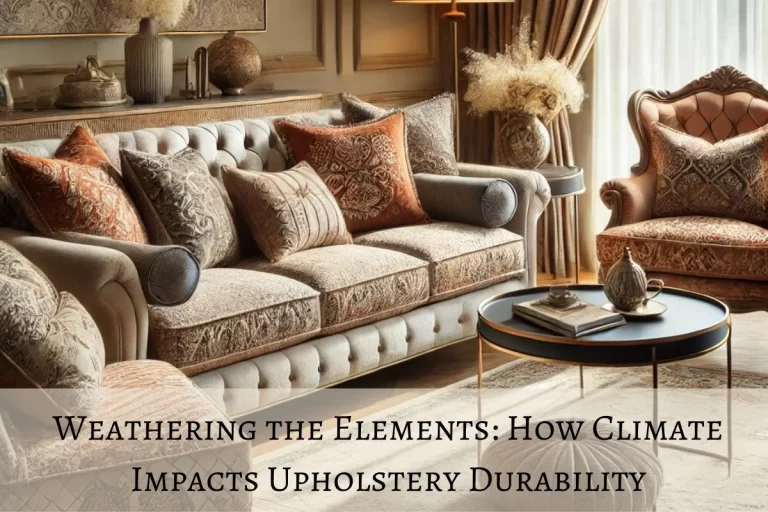
Vintage upholstery often features distinctive fabrics and patterns that set it apart from modern styles. Common vintage materials include velvet, brocade, and leather, each bringing its own texture and appeal. Velvet is prized for its luxurious feel and depth, often found in vintage sofas and armchairs. Brocade, with its intricate woven patterns, adds an elegant touch and is often used in more formal pieces. Leather, a durable and versatile material, is popular for its timeless look that only improves with age. As for patterns, vintage upholstery commonly showcases florals, geometric shapes, and damask, bringing visual interest and warmth to a room. In today’s interiors, these fabrics and patterns are used to create focal points, adding a pop of texture or color. This revival of classic fabrics and patterns allows homeowners to embrace history while updating it with a modern twist.
The Reasons Behind the Revival of Vintage Upholstery in Modern Homes
The resurgence of vintage upholstery in modern interiors is driven by a mix of aesthetic, practical, and cultural factors. As people move away from generic, mass-produced furniture, there’s a renewed appreciation for the quality and craftsmanship found in vintage pieces. Vintage upholstery brings individuality and charm, with pieces that feel personalized and unique. Additionally, the trend toward sustainability has boosted interest in vintage items, as repurposing old furniture reduces environmental impact. Many people are drawn to the story and nostalgia that vintage furniture offers, creating a more meaningful connection with their decor. Vintage upholstery also allows for creative expression, as homeowners mix and match styles for an eclectic look. In sum, vintage upholstery provides a unique blend of beauty, sustainability, and individuality that appeals to modern sensibilities.
Sustainability: The Eco-Friendly Benefits of Vintage Upholstery
One of the biggest reasons for the popularity of vintage upholstery is its sustainability. By repurposing or upcycling vintage furniture, homeowners can reduce waste and the demand for new resources. Vintage pieces are typically built to last, using durable materials that withstand the test of time. This long-lasting quality aligns well with the growing consumer preference for eco-friendly, sustainable products. Choosing vintage also means reducing the carbon footprint associated with producing and transporting new furniture. Furthermore, upcycling or restoring vintage pieces allows for customization, giving people the chance to create something truly unique while supporting sustainability. This eco-friendly approach not only benefits the environment but also fosters a sense of responsibility. Vintage upholstery, therefore, appeals to those who value both style and sustainability, blending personal taste with environmental consciousness.
Blending Vintage and Modern: Tips for a Balanced Aesthetic
Blending vintage upholstery with modern design elements can create a balanced, unique aesthetic that feels both timeless and fresh. The key to successful integration is selecting pieces that complement rather than clash. For instance, a vintage leather armchair pairs well with a minimalist sofa, adding warmth without overwhelming the space. Another effective approach is to use vintage upholstery as a focal point, such as a boldly patterned retro chair in an otherwise neutral room. This contrast can create visual interest while highlighting the vintage piece’s uniqueness. Balancing scale, color, and style ensures cohesion, even when mixing eras. Additionally, accessories like throw pillows or modern lighting can help bridge the styles. Successfully combining vintage and modern allows homeowners to enjoy the best of both worlds, achieving a stylish look that respects the past and embraces the present.
Iconic Vintage Upholstery Pieces Making a Comeback
Certain vintage upholstery pieces have become particularly popular in modern interiors, celebrated for their timeless appeal. The Chesterfield sofa, with its deep button-tufting and rolled arms, adds sophistication and works well in both traditional and contemporary spaces. The Eames lounge chair, an iconic mid-century modern piece, offers comfort and style with its sleek design and plush leather upholstery. Another classic is the tufted armchair, which brings a touch of elegance to any room. These pieces are favored not just for their appearance but for their quality and longevity. Unlike many modern items, they were crafted with durability in mind. The resurgence of such iconic pieces highlights a trend toward investing in quality, heritage, and distinctive design that enhances any modern space.
Key Considerations When Buying Vintage Upholstered Furniture
When purchasing vintage upholstered furniture, there are several factors to keep in mind. First, assess the condition: check for structural integrity, fabric wear, and any necessary repairs. Vintage furniture often shows signs of age, so be prepared for minor imperfections or the need for reupholstering. Quality craftsmanship is essential, as genuine vintage pieces were typically built to last. Additionally, authenticity matters—ask for any available information about the item’s origin to ensure you’re investing in a true vintage piece. Finally, consider the furniture’s style and color palette to ensure it complements your existing decor. Buying vintage requires a discerning eye but can be highly rewarding, resulting in unique, high-quality pieces that add character and value to your home.
How to Maintain and Care for Vintage Upholstery
Proper care is essential to preserve vintage upholstered furniture. Dusting and vacuuming help prevent dirt from embedding in the fabric. For delicate materials like velvet or brocade, use a gentle brush or low-suction vacuum attachment. If the upholstery requires cleaning, spot-clean with mild, fabric-safe solutions or consult a professional. Avoid placing vintage pieces in direct sunlight to prevent fading and keep them in a stable, moderate climate to avoid fabric or wood warping. Regular inspections are also helpful for identifying any loose parts or fabric wear. Taking these maintenance steps not only preserves the beauty of vintage pieces but also extends their lifespan, allowing you to enjoy their charm for years to come.
Conclusion
Vintage upholstery’s resurgence speaks to a broader trend in interior design, where people value quality, uniqueness, and sustainability. These pieces bring history, character, and craftsmanship that modern interiors often lack, adding warmth and personality to homes. As vintage styles continue to blend with modern design elements, they offer a sustainable, aesthetically pleasing way to decorate with intention. Whether it’s a classic Chesterfield sofa or a retro velvet armchair, vintage upholstery provides a timeless appeal, allowing homeowners to create stylish spaces that honor the past while embracing contemporary tastes.
What are some popular vintage upholstery fabrics and patterns?
Vintage upholstery has a timeless appeal because it combines elegance, durability, and a sense of nostalgia. When looking at popular fabrics and patterns from the past that are making a comeback today, several stand out for their beauty and lasting style.
- Velvet
Velvet has always been associated with luxury and sophistication. Its soft texture and rich colors, like emerald green, royal blue, and burgundy, make it a favorite in both classic and modern interiors.
- Brocade and Damask
These intricate woven fabrics feature raised patterns, often floral or ornate, that add depth and grandeur to furniture. Brocade and damask are especially popular in traditional and vintage-inspired homes.
- Chenille
Known for its plush and cozy texture, chenille was widely used in mid-century furniture. Its durability and comfort make it a top choice for reupholstering vintage sofas and armchairs.
- Leather
A timeless material, leather is often found in vintage club chairs and Chesterfield sofas. Its ability to age beautifully gives furniture a rich, lived-in character.
- Floral Prints
Floral upholstery, especially bold patterns from the 1960s and 70s, remains a favorite for adding a retro vibe. Large, colorful blossoms or delicate chintz patterns can instantly transform a space.
- Geometric and Abstract Patterns
Mid-century modern upholstery often featured striking geometric designs—chevrons, circles, and abstract shapes—that brought energy and vibrancy into interiors.
- Tweed and Houndstooth
Classic woven patterns like tweed and houndstooth were widely used in vintage upholstery for their sophistication and durability, making them perfect for accent chairs and ottomans.