Furniture is one of the most used and often overlooked components of daily living spaces. Sofas, lounge seating, and traditional seating arrangements support comfort, posture, and interior functionality. Over time, normal use, environmental exposure, and material aging can affect furniture performance, leading to reduced comfort and structural stability.
Understanding how professional furniture restoration works helps homeowners maintain seating quality while extending furniture lifespan. Instead of waiting for severe structural damage, learning how maintenance and repair services function allows people to preserve both modern and traditional furniture designs. Proper repair and maintenance also support sustainability by reducing waste and extending the useful life of existing materials.
What professional upholstery restoration includes beyond simple fabric replacement or surface patchwork
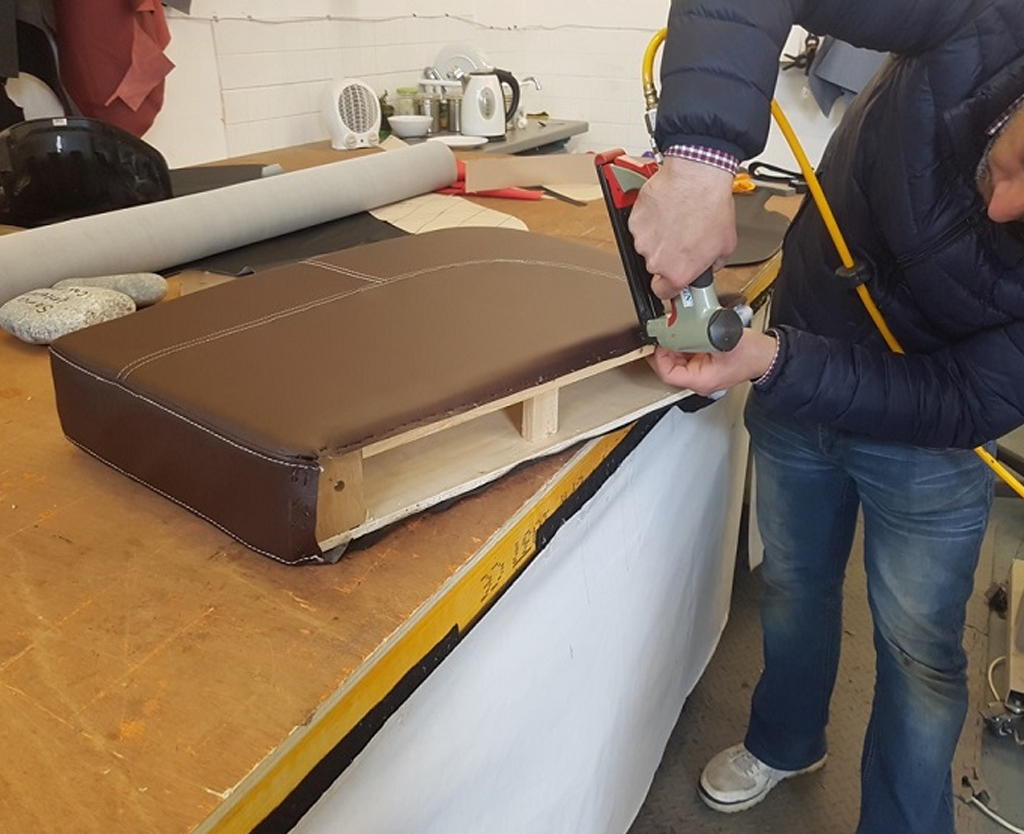
Professional restoration goes far beyond fixing visible damage. While many people assume upholstery work only involves replacing outer fabric, full restoration involves internal structural evaluation and rebuilding when needed.
Professional restoration usually includes:
- Internal frame inspection and reinforcement
- Replacement of worn padding and cushioning layers
- Spring and suspension system repair or replacement
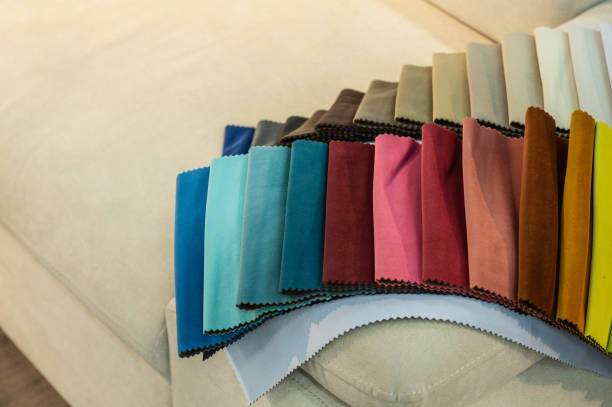
- Fabric replacement using durability-tested materials
- Stitch reinforcement for long-term structural support
Many homeowners begin researching local restoration services when they notice declining comfort. During this process, people often explore options like sofa repair near me, which typically includes both cosmetic and structural restoration depending on furniture condition.
Full restoration ensures seating stability, comfort consistency, and extended durability beyond surface-level improvements.
How traditional seating designs influence modern repair methods and material selection choices
Traditional seating styles often use handcrafted frames, unique cushioning methods, and specific upholstery patterns. These design elements require careful handling during restoration.
Modern repair professionals must consider:
- Original construction techniques
- Cultural design elements
- Material compatibility with original structure
- Long-term durability without altering design identity
For example, traditional seating often uses layered padding rather than molded foam, requiring manual shaping and stitching techniques during restoration.
This blending of traditional craftsmanship with modern material science allows restoration professionals to preserve heritage furniture while improving durability.
The role of internal padding density and suspension systems in overall furniture comfort and durability
Internal support systems determine how furniture feels and performs over time. Even if upholstery appears new, internal padding or spring damage can significantly affect comfort.
Key components include:
Padding Density
- High-density foam provides long-term support
- Medium-density foam balances comfort and durability
- Layered padding improves pressure distribution
Suspension Systems
- Webbing systems provide flexible support
- Zig-zag springs distribute weight evenly
- Coil springs provide traditional deep seating comfort
When homeowners explore furniture maintenance, they often learn about services related to overall furniture structure, such as upholstery, which typically covers both internal comfort components and external finishing layers.
Proper internal support maintenance prevents early structural failure and extends furniture usability.
How regular upholstery maintenance prevents long term structural damage and fabric deterioration
Preventive maintenance plays a major role in extending furniture lifespan. Many structural failures begin as minor issues that worsen over time.
Preventive maintenance includes:
- Regular fabric cleaning to remove dust and particles
- Cushion rotation to distribute pressure evenly
- Frame inspection for early joint loosening
- Immediate repair of small tears or seam openings
Benefits of regular maintenance:
- Prevents foam breakdown
- Reduces stress on frame joints
- Preserves original upholstery quality
- Maintains seating comfort consistency
Routine maintenance significantly reduces the risk of expensive or complex restoration later.
Differences between residential furniture repair and commercial seating restoration requirements
Residential and commercial furniture restoration differ significantly in design expectations and durability standards.
Residential Furniture Restoration Focuses On:
- Comfort and aesthetics
- Moderate daily usage durability
- Customized material selection
- Design preservation
Commercial Furniture Restoration Focuses On:
- High durability for constant use
- Stain-resistant and heavy-duty fabrics
- Reinforced structural frames
- Fast maintenance turnaround
Understanding these differences helps property owners choose appropriate restoration strategies based on usage intensity.
Why handcrafted seating pieces require specialized restoration techniques and experienced technicians
Handcrafted furniture often includes unique frame construction methods and detailed upholstery techniques that require advanced restoration skills.
Specialized restoration may involve:
- Hand-stitched seam recreation
- Custom padding shaping
- Frame reinforcement using traditional joinery methods
- Matching historical or traditional fabric patterns
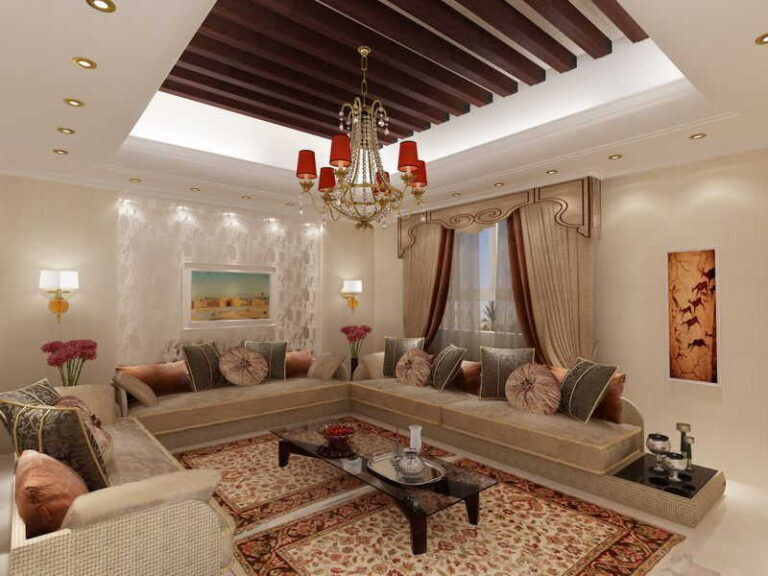
Traditional seating arrangements often require special attention to preserve design authenticity. When researching traditional seating care, many homeowners learn about cultural seating systems like majlis, which typically require specialized restoration knowledge due to their unique structure and design purpose.
Specialized restoration ensures long-term preservation of handcrafted furniture quality.
How furniture repair supports sustainability by reducing landfill waste and conserving raw materials
Furniture repair contributes significantly to environmental sustainability. Extending furniture lifespan reduces the need for new raw materials and lowers waste generation.
Environmental benefits include:
- Reduced landfill furniture waste
- Lower demand for wood harvesting
- Reduced synthetic foam production
- Lower carbon footprint from manufacturing
Repairing furniture also supports resource efficiency by maximizing the lifespan of materials already in circulation.
As sustainability becomes more important globally, repair and restoration are becoming essential parts of responsible consumption.
Conclusion
Furniture restoration is an important part of maintaining comfort, structural integrity, and long-term usability. Understanding how repair services work allows homeowners to make informed maintenance decisions before major structural damage occurs.
From internal support systems to upholstery materials and structural frame integrity, professional restoration helps preserve furniture performance while supporting environmental sustainability and long-term cost efficiency through preventive care.
FAQs
What is included in a full upholstery restoration service?
Full restoration typically includes frame inspection, foam replacement, spring repair, fabric replacement, and structural reinforcement if needed.
How often should upholstered furniture be professionally inspected?
Most furniture benefits from professional inspection every 2–3 years, depending on usage frequency.
Can damaged upholstery cause internal frame problems over time?
Yes, damaged upholstery can expose internal components to dust and moisture, accelerating internal wear.
What is the difference between reupholstering and repairing furniture?
Reupholstering focuses on replacing fabric and padding, while repair includes structural frame and support system restoration.
How do I know if furniture repair is possible instead of replacement?
If the frame structure is still stable or repairable, most furniture can be restored effectively with professional restoration methods.