
Imagine a space where hospitality, tradition, and community come together in perfect harmony. That is the Arabic majlis—a cultural treasure that has served as a gathering place for conversation, decision-making, and social bonding for centuries. More than just a room, the majlis embodies the values of respect, generosity, and open dialogue, welcoming guests with warm refreshments and comfortable low seating.
From its historical roots in tribal assemblies to its modern adaptations in contemporary homes, the majlis remains a vital part of Arab identity. Whether used for formal community discussions or intimate family gatherings, this tradition continues to thrive. Discover the beauty, design, and enduring significance of the Arabic majlis in today’s world.
The Arabic majlis is a revered cultural institution that serves as a gathering space for community members. This tradition emphasizes hospitality, respect, and social cohesion. Rooted in history, the majlis has evolved from informal gatherings into significant venues for discussion and decision-making. This blog explores the various aspects of the Arabic majlis, highlighting its importance in contemporary society while celebrating its rich heritage.
What is a Majlis? Understanding Its Definition and Purpose
The Arabic term “majlis” translates to “a place of sitting.” It refers to both the physical space and the social practice where people gather to converse and share ideas. Traditionally, the majlis serves multiple purposes, such as facilitating discussions about community issues, providing a platform for resolving conflicts, and fostering connections among members. In essence, the majlis is an embodiment of community spirit and social interaction, where individuals come together to discuss matters of importance, engage in storytelling, and uphold cultural traditions.
A Journey Through Time: The Historical Background of the Majlis
The majlis has deep historical roots, dating back to pre-Islamic Arabian societies. Initially, it functioned as a tribal assembly where leaders convened to make decisions affecting their clans. Over time, as Arab societies evolved, the majlis adapted to include broader community participation. It became a vital institution for disseminating knowledge, preserving traditions, and nurturing social bonds. The majlis has persisted through various socio-political changes, reflecting the resilience of Arab cultural identity while remaining a cornerstone of social life in the region.
Cultural Significance: More Than Just a Gathering Space
The majlis represents the heart of Arab social life, embodying values such as hospitality, respect, and community cohesion. In this setting, guests are treated with utmost honor, reflecting the cultural importance of generosity. The majlis acts as a venue for open dialogue, where ideas and experiences are shared, reinforcing social bonds. It also plays a critical role in decision-making processes, often serving as a forum for discussing important community issues. Through these gatherings, traditions are maintained, and cultural heritage is passed down through generations, ensuring continuity in social practices.
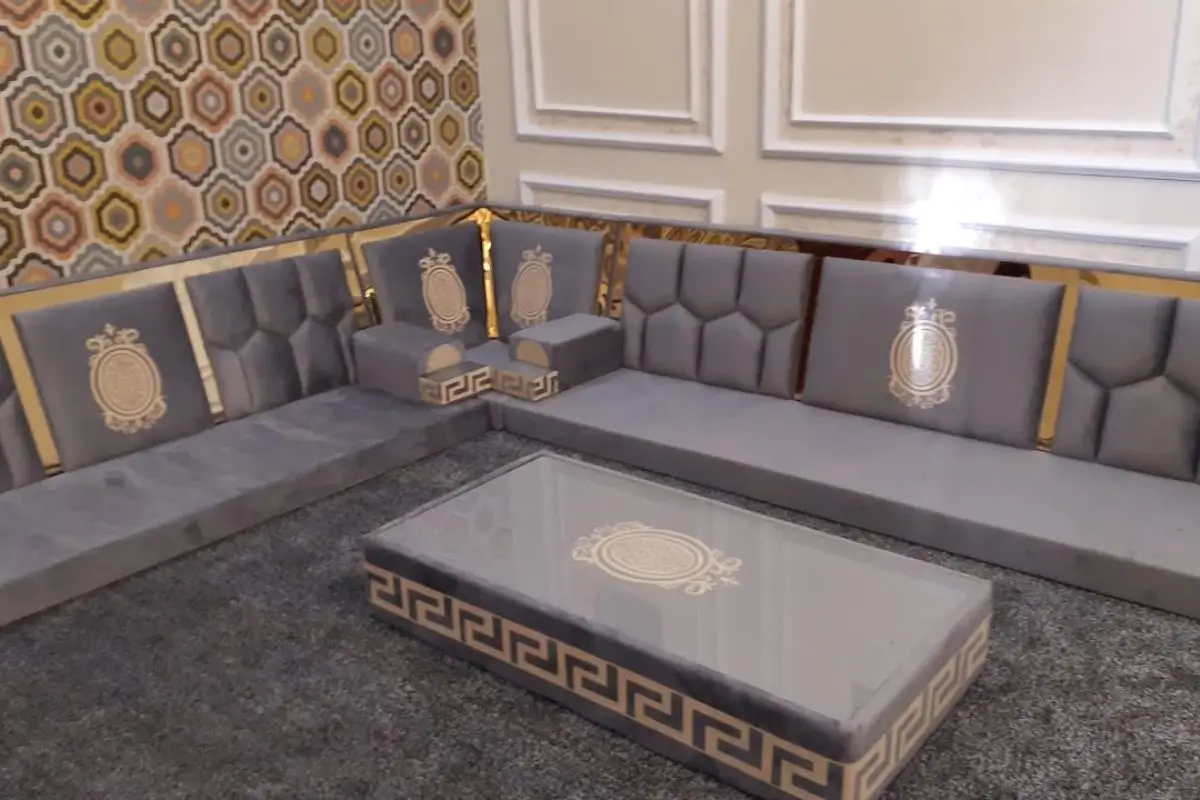
Architectural Marvels: The Design of a Majlis
Architecturally, a majlis is designed to foster conversation and connection. Typically characterized by low seating arrangements, plush cushions, and decorative carpets, the environment encourages relaxation and openness. Traditional majlis often feature intricate designs, including decorative tiles, wooden carvings, and vibrant textiles that reflect regional aesthetics. In many cases, majlis are positioned near the home’s entrance, emphasizing the importance of hospitality. The layout is designed to facilitate interaction, with a focus on creating an inviting atmosphere for both formal discussions and casual gatherings.
Diverse Expressions: Exploring Types of Majlis
Majlis can be categorized into formal and informal types, each serving distinct purposes. Formal majlis are often associated with governmental or tribal meetings, where important decisions are made and policies discussed. Informal majlis, on the other hand, are more relaxed settings for family and friends to gather, share stories, and enjoy each other’s company. Additionally, there are variations based on social context, such as family majlis for intimate gatherings and community majlis for broader discussions. Each type reinforces the importance of social ties and collective decision-making.
Etiquette Matters: Social Interactions in the Majlis
Etiquette in the majlis is paramount, with established protocols governing interactions. Guests are welcomed warmly, often greeted with traditional refreshments like coffee or tea. Respectful dialogue is encouraged, with everyone given the opportunity to voice their opinions. Topics of discussion vary widely, encompassing politics, culture, and local issues, promoting a sense of community involvement. The majlis fosters an environment of trust and openness, allowing for the sharing of diverse perspectives. This dynamic encourages community members to engage actively, reinforcing social bonds and a collective sense of belonging.
Modern Times: The Evolution of the Majlis Tradition
In contemporary society, the majlis tradition has adapted to reflect changing social norms and technological advancements. While traditional values remain central, modern majlis often incorporate technology, such as digital platforms for discussions and virtual gatherings. This evolution allows for broader participation, especially among younger generations. Despite these changes, the essence of the majlis—community engagement and cultural exchange—remains intact. Many families continue to host majlis in their homes, preserving the tradition while adapting to modern lifestyles, ensuring its relevance in today’s fast-paced world.
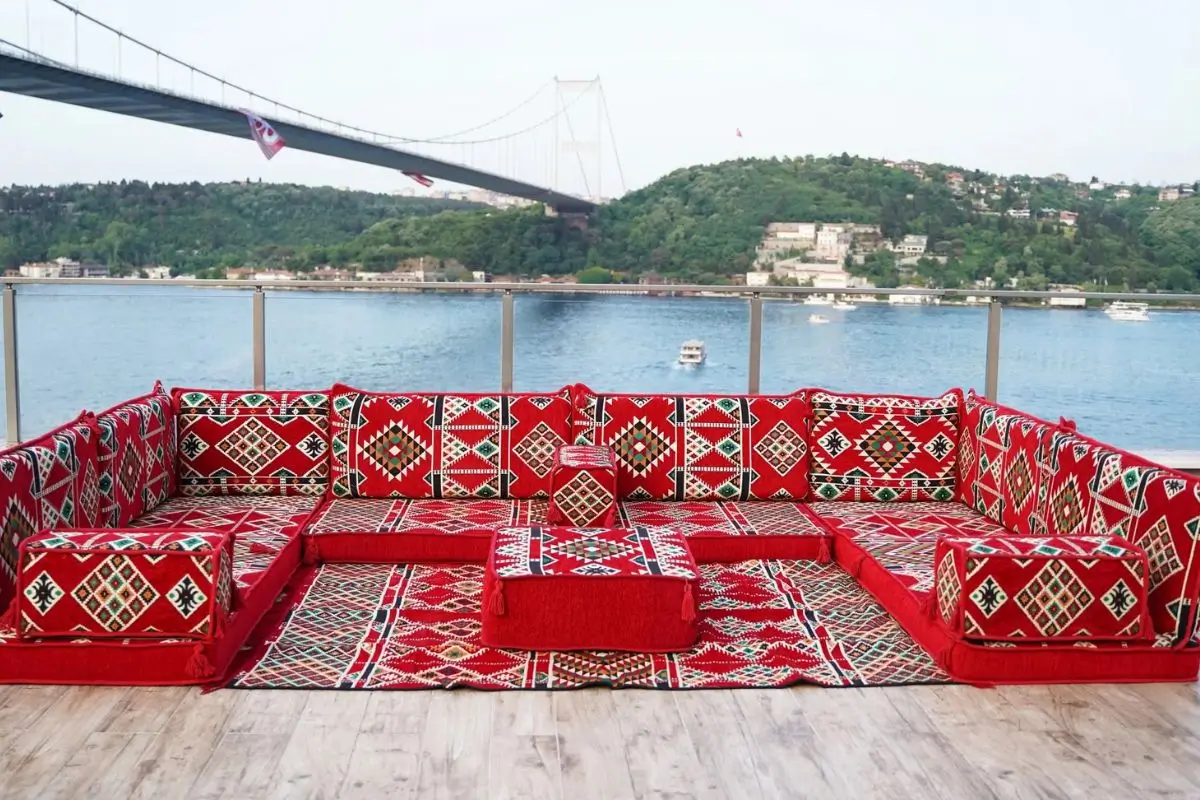
Celebrating Life: The Majlis in Events and Celebrations
The majlis plays a crucial role in significant life events and celebrations within the Arab community. During weddings, funerals, and religious occasions, the majlis serves as a central gathering space for family and friends. These events foster a sense of belonging and community support, reinforcing social ties. The majlis acts as a venue for sharing stories, expressing condolences, or celebrating milestones, highlighting its role in communal life. Such gatherings allow individuals to connect, share experiences, and uphold cultural traditions, ensuring that the majlis remains a vital aspect of social interaction.
A Global Perspective: Comparing the Majlis with Other Cultural Practices
The majlis can be compared to similar traditions in other cultures, highlighting universal themes of community and connection. For instance, the Japanese tea ceremony emphasizes hospitality and respect, while the Western living room serves as a gathering place for friends and family. Despite cultural differences, these practices reveal a shared human desire for connection and belonging. The majlis, however, stands out for its rich historical context and its role as a formal space for community decision-making. This comparison underscores the importance of cultural practices in fostering social bonds across diverse societies.
Conclusion
The Arabic majlis is a cornerstone of cultural identity, reflecting the values of hospitality, community, and respect. Its significance in social life is evident in its historical roots, architectural features, and adaptability to modern times. As a space for discussion and connection, the majlis fosters strong social ties and preserves cultural heritage. By understanding and appreciating this tradition, we can recognize its enduring relevance in today’s society and the role it plays in promoting community cohesion and cultural continuity.
What materials are commonly used in a Majlis?
In a traditional Arabic Majlis, the choice of materials plays a vital role in reflecting both comfort and cultural heritage. The design often emphasizes warmth, durability, and a welcoming atmosphere. Commonly used materials include:
- Textiles and Fabrics: Rich fabrics like cotton, silk, and velvet are used for cushions, curtains, and upholstery. These materials bring softness, color, and elegance to the space.
- Carpets and Rugs: Handwoven wool or silk carpets are a centerpiece of the Majlis, often featuring intricate Arabesque or geometric patterns that highlight cultural artistry.
- Wood: High-quality solid wood is used in furniture, coffee tables, and decorative elements. Carved woodwork often adds a traditional touch.
- Foam and Cushions: For seating, thick foam or stuffed cushions are widely used, designed to ensure both comfort and practicality.
- Metal Accents: Decorative items such as brass lamps, trays, or lanterns are commonly included to enhance the traditional feel.
Together, these materials create a harmonious space that is not only functional but also deeply rooted in Arabic traditions of hospitality and social connection.