Moroccan interior design is recognized worldwide for its layered textures, warm color palettes, and deep cultural symbolism. At the center of this design tradition is the Majlis concept, which focuses on communal seating, hospitality, and social connection. Unlike many modern living room layouts that prioritize entertainment centers or individual seating zones, the Majlis emphasizes togetherness and shared space.
Today, many homeowners are exploring how traditional cultural designs can blend into contemporary living environments. Moroccan Majlis layouts offer a balance between beauty and function, making them appealing in modern homes. Understanding how this design philosophy works helps homeowners create spaces that are welcoming, culturally meaningful, and visually rich without sacrificing comfort or practicality.
Cultural history behind traditional Moroccan seating spaces and their evolution into modern homes
The Majlis has historically served as a social hub within Moroccan homes. It was traditionally used for welcoming guests, hosting celebrations, and holding important family discussions. Seating arrangements were designed to maximize comfort while ensuring everyone felt included in conversations.
In modern interior planning, many homeowners study traditional layouts using resources related to moroccan majlis design to understand how seating placement, textile layering, and room flow contribute to social comfort.
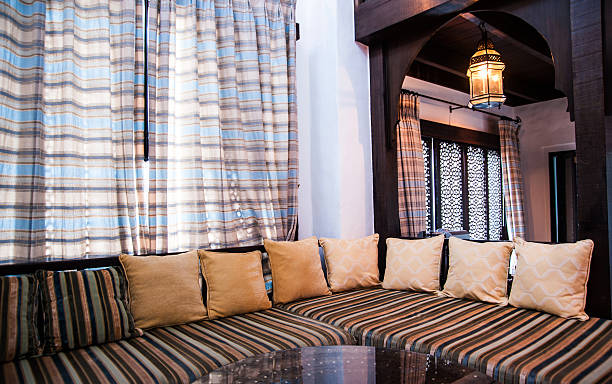
Historically, Majlis areas included:
- Wall-to-wall seating cushions
- Handwoven carpets covering entire floors
- Decorative pillows in geometric patterns
- Lantern lighting creating soft ambient glow
Modern interpretations maintain these core values but adapt furniture height, cushion density, and materials for contemporary lifestyles. This evolution allows traditional design to remain relevant while meeting modern ergonomic and spatial needs.
Key visual elements including low seating, geometric patterns, and layered textile combinations explained
Moroccan interiors are visually distinctive because they combine artistic details with functional comfort. Every element plays a role in shaping the room’s atmosphere.
Key elements include:
Low Seating Structure
- Encourages relaxed posture
- Supports long social gatherings
Geometric and Mosaic Patterns
- Inspired by centuries-old craftsmanship
- Symbolizes balance and order
Layered Textile Design
- Adds depth and warmth
- Enhances acoustic softness in rooms
In modern homes, these visual principles are sometimes adapted using modern furniture frames combined with traditional fabric finishes. Techniques similar to those used in professional couch upholstery processes help maintain comfort while preserving traditional visual textures.
The key is balancing visual authenticity with modern durability and ease of maintenance.
How Moroccan seating layouts influence social interaction and family gathering environments
Moroccan seating arrangements are intentionally designed to support conversation and social bonding. Instead of focusing on external focal points like televisions, the seating directs attention toward the center of the room.
This layout encourages:
- Face-to-face communication
- Equal participation in group discussions
- Comfortable long-duration seating
- Multi-generational interaction
In family environments, this layout helps strengthen relationships by making social interaction more natural and inclusive. In guest settings, it promotes hospitality by creating an open and welcoming environment.
Modern designers sometimes combine Majlis seating with modular furniture layouts to provide flexibility while maintaining the social benefits of traditional design.
Color psychology behind traditional Moroccan palettes and how they affect interior atmosphere
Color plays a major role in Moroccan interior identity. These colors are often inspired by nature, regional landscapes, and cultural symbolism.
Common palette influences include:
Warm Reds and Terracotta
- Symbolize warmth and welcome
Deep Blues
- Represent calmness and spirituality
Gold Accents
- Suggest luxury and craftsmanship
Earthy Neutral Bases
- Ground the space visually
When layered correctly, these colors create environments that feel cozy yet vibrant. Modern homes often use neutral base colors while incorporating traditional Moroccan accent colors through textiles and decorative elements.
This approach helps maintain visual richness without overwhelming smaller living spaces.
Materials commonly used in authentic Moroccan seating areas including wood, brass, and woven textiles
Traditional Moroccan interiors rely heavily on natural materials that provide durability and authentic texture.
Common material choices include:
- Hand-carved wooden seating frames
- Wool rugs and blankets
- Brass lighting fixtures
- Cotton and linen upholstery
Modern furniture construction sometimes integrates these traditional materials with advanced internal engineering. Comfort and structural performance improvements are often influenced by repair technologies similar to those used in services such as massage chair repair near me, where internal mechanisms are optimized for long-term performance.
Combining tradition with modern construction ensures furniture remains functional, comfortable, and durable for daily use.
How Moroccan interior layouts adapt to small apartments and contemporary architectural spaces
Modern living spaces often have size limitations, but Moroccan Majlis concepts adapt surprisingly well to compact homes.
Common adaptation strategies include:
Built-In Wall Seating
- Saves floor space
- Maintains traditional visual layout
Modular Cushion Systems
- Allows flexible rearrangement
Hidden Storage Seating
- Combines function with comfort
Simplified Pattern Placement
- Prevents visual overcrowding
These solutions help homeowners maintain Moroccan design identity while optimizing space efficiency.
Differences between authentic Moroccan seating traditions and modern fusion interpretations
There are distinct differences between traditional Moroccan interiors and modern interpretations inspired by them.
Traditional Moroccan Interiors
- Fully floor-level seating
- Heavy textile layering
- Highly symmetrical room design
- Extensive handcrafted decoration
Modern Fusion Moroccan Interiors
- Raised seating with Moroccan fabrics
- Selective pattern placement
- Mixed modern and traditional decor
- Flexible seating configurations
Fusion design allows homeowners to incorporate cultural elements while maintaining modern convenience and practicality.
Conclusion
Moroccan Majlis design continues to influence global interior design because it combines cultural storytelling, social comfort, and artistic craftsmanship. Its emphasis on connection and hospitality makes it especially relevant in modern homes where shared spaces are highly valued.
By understanding the history, materials, layout principles, and color psychology behind Moroccan interiors, homeowners can create living spaces that feel both culturally rich and practically functional. Whether used traditionally or blended with modern styles, Moroccan Majlis design remains a timeless interior concept.
FAQs
What defines an authentic Moroccan seating layout?
Authentic layouts typically include wall-aligned seating, layered cushions, and symmetrical room arrangements designed to support social gatherings.
Why are floor level seating arrangements common in Moroccan interiors?
Floor seating reflects cultural hospitality traditions and encourages relaxed, long social interactions.
How can Moroccan interior concepts blend with modern minimalist homes?
Using neutral base colors with selective Moroccan patterns and textiles helps integrate both styles smoothly.
What fabrics are traditionally used in Moroccan seating areas?
Traditional fabrics include wool, cotton, linen, and handwoven textile blends.
Are Moroccan interiors designed mainly for family or guest gatherings?
They are designed for both, emphasizing community, hospitality, and shared social experiences.