Recliner sofas are among the most comfortable and functionally advanced seating options used in modern homes. They combine mechanical engineering, upholstery craftsmanship, and ergonomic design to provide adjustable seating positions. However, due to daily use, internal components and exterior materials can gradually wear out, making repair knowledge valuable for homeowners and furniture enthusiasts alike.
Understanding how recliner sofa repair works helps people make informed decisions about maintenance, longevity, and restoration. Instead of viewing furniture damage as permanent, learning about repair processes highlights how many issues can be resolved through technical adjustments, component replacement, and upholstery restoration techniques.
How recliner sofa mechanisms function and why repairs become necessary over time with frequent daily usage
Recliner sofas operate through a combination of metal frames, springs, hinges, and sometimes electrical motors. These systems work together to allow smooth reclining movement while supporting body weight evenly across the seating surface.
Over time, repeated use creates stress on:
- Metal joints and pivot points
- Tension springs that control reclining resistance
- Motorized reclining systems in electric models
- Structural wooden or metal frames
When mechanical stress accumulates, users may notice stiffness, uneven reclining, or unusual noises. Learning about recliner sofa repair helps explain how specialists restore movement and stability without replacing the entire sofa.
Environmental factors such as humidity, temperature fluctuations, and dust accumulation can also accelerate wear. Regular inspection helps identify early signs of damage before major mechanical failures occur.
Common structural and mechanical issues found inside recliner sofas and how technicians diagnose them accurately
Technicians use systematic diagnostic methods to identify recliner sofa problems. The goal is to determine whether the issue is mechanical, structural, or upholstery-related.
Common internal issues include:
- Bent or misaligned metal reclining tracks
- Broken tension springs causing loose movement
- Cracked wooden frames affecting structural balance
- Faulty motor wiring in electric recliners
- Worn pivot bolts causing instability
Diagnosis typically involves:
- External visual inspection
- Manual reclining resistance testing
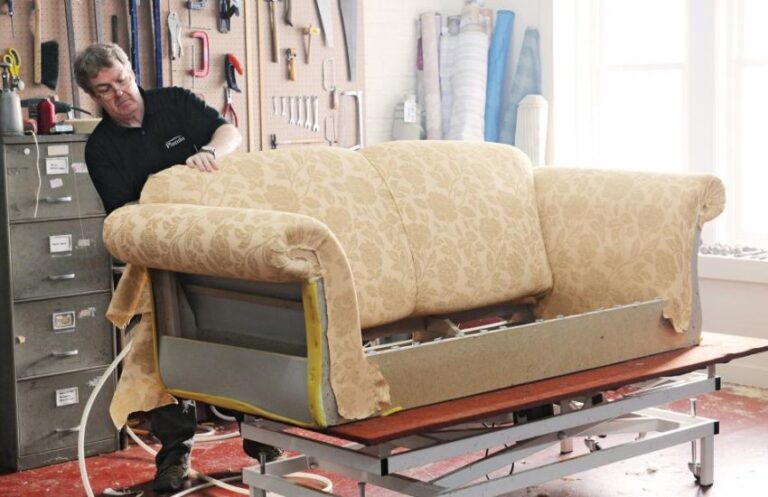
- Internal frame exposure for detailed examination
- Testing electronic components if present
Accurate diagnosis prevents unnecessary repairs and ensures the correct components are restored or replaced. This process also helps extend the overall lifespan of the furniture by addressing root causes rather than surface symptoms.
Step by step explanation of internal frame, springs, and reclining motor repair processes used by professionals
Professional repair follows a structured approach to ensure safe and effective restoration.
Step 1: Disassembly
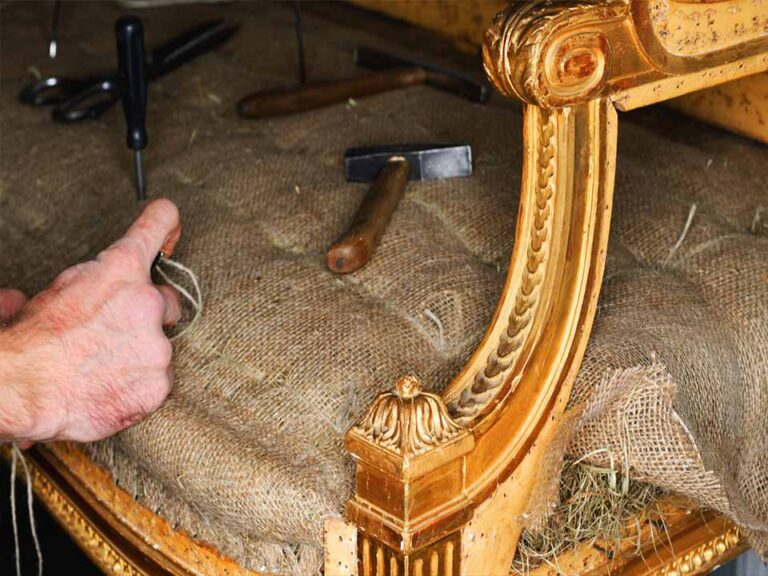
Technicians carefully remove upholstery layers to access internal components without damaging fabric or padding.
Step 2: Frame Stabilization
If structural damage exists, repairs may include:
- Reinforcing wooden frames
- Welding metal support sections
- Replacing broken brackets
Step 3: Spring Replacement or Adjustment
Springs are either tightened, repositioned, or replaced to restore proper reclining resistance.
Step 4: Motor and Electrical Repair (If Applicable)
Electric recliners require:
- Motor testing
- Wiring repair
- Control switch replacement
Step 5: Reassembly and Testing
The sofa is reassembled and tested multiple times to ensure smooth reclining function and weight distribution.
This structured process ensures both safety and long-term functionality.
How upholstery damage affects recliner sofa comfort, durability, and long term seating support performance
Upholstery is not only decorative but also essential for comfort and protection of internal components. When upholstery becomes worn or damaged, it can affect the sofa’s performance.
Common upholstery problems include:
- Fabric thinning due to friction
- Foam compression reducing comfort
- Stitching separation exposing inner padding
- Leather cracking due to dryness
Traditional seating styles such as the arabic majlis highlight how upholstery quality directly affects seating experience and cultural design integrity.
Ignoring upholstery damage can lead to:
- Increased pressure on internal springs
- Faster deterioration of internal padding
- Reduced ergonomic support
Restoring upholstery helps maintain both structural protection and seating comfort.
Materials and replacement parts typically used when restoring recliner sofas to original working condition
Recliner repair requires durable, high-quality materials that match the original design specifications.
Common replacement materials include:
- High-density foam for seat cushioning
- Reinforced metal springs for reclining support
- Industrial-grade upholstery fabric or leather
- Steel brackets and support hardware
- Electrical motor replacement kits
Material selection depends on usage patterns, sofa design, and structural requirements. Using compatible parts ensures smooth operation and prevents recurring mechanical failures.
Professional repair technicians often match original materials to maintain the sofa’s intended comfort and durability characteristics.
How preventive maintenance can extend recliner sofa lifespan and reduce major repair requirements significantly
Preventive maintenance is one of the most effective ways to reduce major repair needs. Regular care keeps mechanical and upholstery components functioning efficiently.
Key maintenance practices include:
- Cleaning reclining tracks to remove dust and debris
- Lubricating moving metal joints periodically
- Rotating seating positions to distribute wear evenly
- Inspecting stitching and upholstery tension regularly
- Tightening loose bolts or visible hardware
Routine maintenance principles also apply to seating items like those serviced under chair repair near me, where early intervention prevents structural deterioration.
Preventive care significantly extends furniture usability and preserves comfort quality.
Signs that indicate immediate recliner sofa repair is required to prevent further internal structural damage
Recognizing early warning signs prevents costly and complex structural damage.
Warning indicators include:
- Recliner stuck in one position
- Loud clicking or grinding noises during movement
- Uneven seat height or tilting
- Loose armrests or unstable seating
- Electrical recliner buttons not responding
If these signs are ignored, internal components may suffer severe damage, making restoration more complicated.
Early repair ensures minor issues remain manageable and prevents progressive internal deterioration.
Conclusion
Recliner sofa repair is a detailed technical process that combines mechanical engineering, upholstery expertise, and structural restoration methods. Understanding how recliner sofas function and why they fail helps homeowners make informed maintenance decisions.
By recognizing early damage signs, performing preventive maintenance, and understanding repair processes, furniture owners can significantly extend the lifespan of their recliner sofas while maintaining comfort and structural stability.
FAQs
What causes recliner sofas to stop reclining properly?
Usually mechanical wear, spring failure, or track misalignment can prevent smooth reclining movement.
How long does a typical recliner repair process take?
Repair duration depends on damage severity, but most mechanical repairs can be completed within a few working sessions.
Can broken recliner frames be fully restored?
In many cases, frames can be reinforced, welded, or replaced depending on damage extent.
Is it possible to repair electric recliner motor issues?
Yes, technicians can repair wiring, replace motors, or fix control switches in many electric recliner models.
How often should recliner sofas be professionally inspected?
Annual inspection is recommended, especially for frequently used recliner sofas.