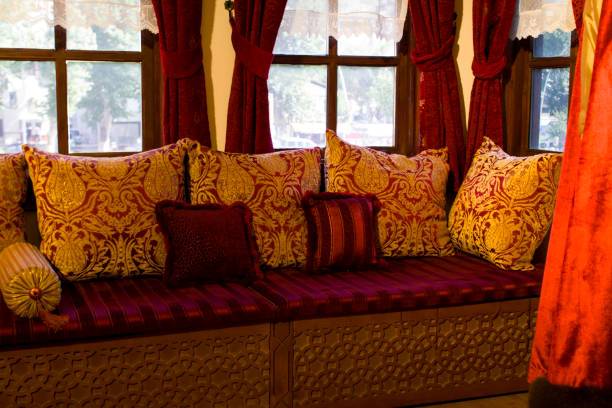
Furniture plays an essential role in everyday comfort, interior design, and long-term household functionality. Over time, even high-quality seating experiences wear due to daily usage, environmental exposure, and structural aging. Understanding when furniture needs professional attention helps homeowners maintain comfort, safety, and aesthetics without unnecessary replacement.
In regions like Abu Dhabi, environmental conditions such as humidity, heat, and airborne dust can accelerate furniture material fatigue. Knowing how restoration works and when it becomes necessary allows homeowners to extend the life of valuable furniture pieces while maintaining structural reliability and comfort standards.
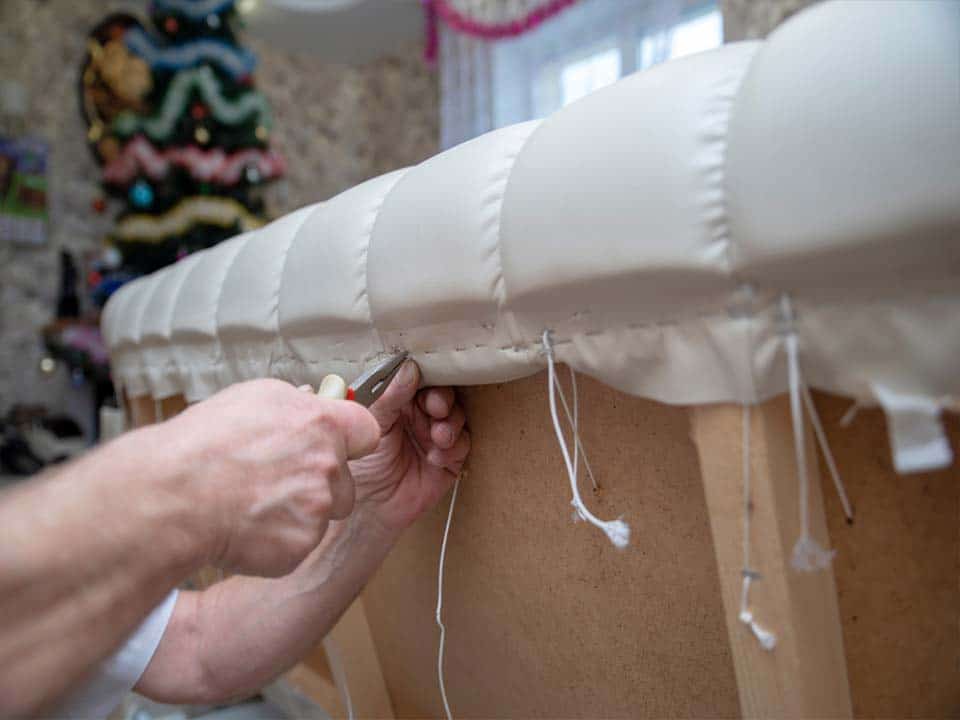
Understanding the complete process of professional sofa structural restoration and material replacement techniques
Professional sofa restoration involves much more than repairing visible damage. It includes evaluating the internal frame, padding layers, suspension systems, and external upholstery material. Each component contributes to comfort, durability, and long-term performance.
The full restoration process typically includes:
- Structural frame inspection and reinforcement
- Replacement of damaged springs or webbing systems
- Foam density testing and replacement if necessary
- Fabric or leather repair or replacement
- Stitch reinforcement and seam correction
Many households start researching restoration options when seating comfort declines or visible wear appears. For example, when exploring professional restoration services like sofa repair abu dhabi, people often discover that internal damage can exist even when external upholstery looks intact.
Professional restoration ensures that structural stability and comfort are restored simultaneously, rather than only improving surface appearance.
Common types of sofa frame damage and how repair specialists diagnose structural weaknesses accurately
Frame damage is one of the most serious furniture issues because it affects stability, safety, and comfort. Repair specialists typically perform diagnostic testing using pressure tests, visual inspections, and joint movement analysis.
Common frame problems include:
- Loose or cracked wooden joints
- Warped wood caused by humidity exposure
- Metal frame bending or corrosion
- Fastener loosening from long-term vibration stress
Technicians often remove upholstery layers to fully inspect internal joints. This allows accurate identification of weak points before complete structural failure occurs.
Early detection helps prevent more expensive or complex restoration work later, while also maintaining seating ergonomics and user comfort.
How climate conditions in coastal regions can impact wood frames, foam density, and upholstery lifespan
Climate plays a significant role in furniture durability. Coastal environments often combine humidity, salt particles, and temperature fluctuations, which accelerate material aging.
Environmental impacts include:
- Wood swelling and contraction cycles
- Foam breakdown due to moisture absorption
- Fabric fiber weakening and discoloration
- Metal component corrosion
Preventive maintenance strategies include:
- Using moisture-resistant upholstery materials
- Maintaining indoor humidity control
- Regular inspection of internal padding and support structures
- Avoiding direct sunlight exposure for long durations
Understanding environmental stress helps homeowners anticipate maintenance needs and avoid sudden structural failures.
Differences between cosmetic sofa repairs and deep structural reinforcement repair methods explained
Not all furniture repairs are equal. Some repairs focus on visual improvement, while others address structural integrity and long-term performance.
Cosmetic repairs usually include:
- Fabric patching
- Surface scratch correction
- Stitch repair
- Minor padding adjustments
Structural reinforcement repairs include:
- Frame rebuilding or joint reinforcement
- Spring system replacement
- Support beam installation
- High-density foam reconstruction
When researching restoration methods, many people also learn about related furniture services such as chair repair, which often involves similar structural reinforcement techniques.
Understanding the difference helps homeowners choose appropriate restoration approaches based on furniture condition and safety requirements.
How to identify early warning signs of sofa spring failure, foam breakdown, or fabric tearing issues
Furniture usually shows warning signs before major failure occurs. Recognizing these signs early prevents larger structural damage.
Early warning signs include:
- Uneven seating height
- Squeaking or cracking noises when sitting
- Noticeable sinking in specific seating areas
- Wrinkling or loose fabric surfaces
- Increased discomfort during normal use
Regular inspection every few months can help identify issues early. Simple tests include pressing seating cushions to check foam recovery speed and listening for unusual internal noises.
Preventive action typically results in lower repair complexity and longer furniture lifespan.
Step-by-step overview of how professional technicians restore antique or luxury sofas safely
Restoring antique or luxury sofas requires specialized handling to preserve design authenticity and material integrity.
Typical restoration steps include:
- Documentation and photography of original design
- Careful removal of existing upholstery layers
- Structural frame reinforcement using compatible materials
- Cushion reconstruction using matched foam density
- Upholstery replacement using historically accurate fabrics if needed
- Final assembly and comfort testing
In some cases, restoration knowledge overlaps with other furniture types, especially when people search for services like bed repair near me, since structural support systems in beds share similarities with sofa internal frames.
This methodical process ensures long-term structural preservation without compromising design authenticity.
Materials commonly used in modern sofa repair including foam grades, webbing types, and fabric backing systems
Modern restoration uses advanced materials designed for durability, comfort, and environmental resistance.
Common materials include:
Foam Types
- High-resilience foam for long-term comfort
- Memory foam for pressure distribution
- Rebond foam for structural base support
Support Systems
- Elastic webbing for flexible seating
- Zig-zag springs for balanced support
- Coil springs for traditional luxury seating
Fabric Backing Systems
- Polyester backing for durability
- Cotton blends for breathability
- Reinforced stitching layers for high-stress zones
Material selection depends on furniture design, usage frequency, and environmental conditions.
Conclusion
Understanding furniture restoration helps homeowners make informed decisions about maintenance and longevity. Structural repairs often provide extended usability, improved comfort, and preservation of original furniture design.
Recognizing early warning signs, understanding environmental impacts, and learning how professional restoration works can significantly extend furniture lifespan while maintaining safety and performance standards.
FAQs
What are the most common causes of sofa structural damage?
Common causes include daily wear, humidity exposure, excessive weight pressure, aging materials, and improper moving or handling.
How long does professional sofa repair usually last?
High-quality structural restoration can last many years depending on usage frequency, environmental exposure, and material quality.
Can old sofas be restored to original comfort levels?
Yes, with proper foam replacement, spring restoration, and frame reinforcement, comfort levels can often be fully restored.
What signs indicate internal sofa frame failure?
Warning signs include creaking sounds, uneven seating, visible frame movement, and persistent discomfort while sitting.
Is repairing furniture environmentally better than replacing it?
Repairing furniture reduces landfill waste, lowers raw material demand, and extends the useful life of existing household items.