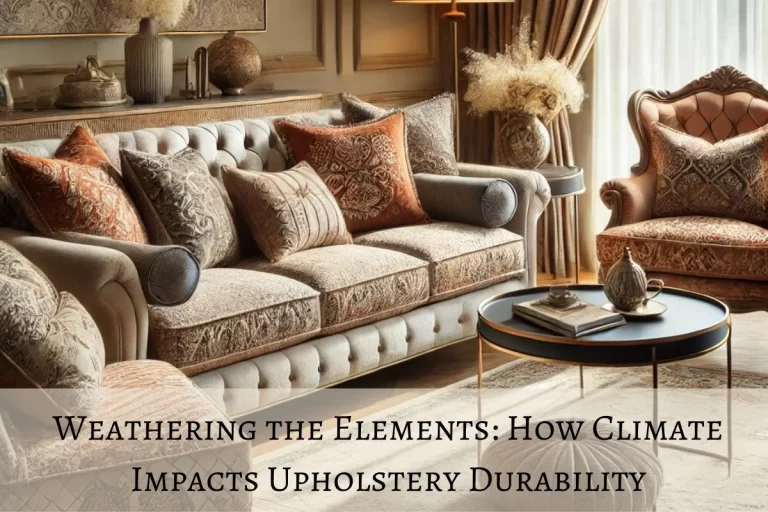
What if a single fabric choice could completely transform your furniture from tired to tailored, or from basic to breathtaking? Upholstery isn’t just about covering a sofa or chair—it defines your space’s personality, comfort level, and longevity. Whether you’re breathing new life into a beloved heirloom or selecting the perfect finish for a new piece, choosing the right upholstery fabric is the key to balancing style, durability, and function. From pet-friendly microfiber to luxurious velvet and eco-friendly linen, this guide walks you through everything you need to know to make a confident, informed decision that elevates your home for years to come.
Upholstery can make or break the look and functionality of your furniture. Choosing the right fabric can transform an old piece into a show-stopper or ensure new furniture blends seamlessly into your space. This guide will walk you through everything you need to know about selecting upholstery fabric that balances beauty, comfort, and durability.
The Power of Fabric: How Upholstery Transforms Your Furniture
Upholstery is more than just fabric covering furniture; it defines the piece’s look, feel, and usability. A simple sofa can be instantly elevated with luxurious velvet or made more casual with soft cotton. Fabric choice sets the tone for the furniture’s role in the room, whether as a focal point or a complementary accent. Additionally, upholstery can refresh old furniture, giving it new life and extending its usability. The right upholstery not only enhances appearance but also adds comfort and functionality, allowing you to truly customize your furniture.
Explore Your Options: Types of Upholstery Fabrics
Choosing the right upholstery fabric depends on understanding the materials available. Popular fabrics include:
- Cotton: Soft and breathable, perfect for casual settings.
- Linen: Durable with a natural texture, offering an elegant, timeless look.
- Velvet: Rich and luxurious, ideal for adding drama to any space.
- Leather: Durable and classic, providing a sophisticated touch.
- Microfiber: Stain-resistant and easy to clean, making it great for high-traffic areas.
Each fabric has distinct benefits, so understanding your options allows you to choose one that best fits your lifestyle and design needs.
Function Meets Style: Matching Fabric with Your Needs
It’s essential to match your upholstery fabric to how the furniture will be used. High-traffic rooms or homes with pets and children need durable, easy-to-clean fabrics like leather, microfiber, or performance textiles. Conversely, delicate fabrics like silk or velvet are better suited for formal spaces or less frequently used rooms. Performance fabrics are designed to resist stains and wear while maintaining visual appeal. Assessing the day-to-day use of your furniture and choosing the fabric that best supports its function will keep your investment looking and feeling new longer.
 Creating Cohesion: Choosing Fabrics That Match Your Style
Fabric plays a critical role in defining the style of your furniture. For a sleek, modern look, consider fabrics with clean lines and neutral colors, such as linen or leather. If you prefer a more dramatic or eclectic design, bold patterns or vibrant velvet may suit your aesthetic. The texture of the fabric also matters—smooth fabrics like leather or satin offer a polished look, while textured options like wool or boucle add depth. Choose fabrics that complement the overall style of your room while ensuring the piece fits cohesively within your design theme.
Built to Last: Ensuring Durability and Longevity
When selecting upholstery fabric, durability is a key consideration. The fabric’s rub count, which measures how much wear it can withstand, is an important indicator of its strength. High-rub-count fabrics like leather or performance blends are ideal for frequently used furniture such as sofas and armchairs. Additionally, fade-resistant fabrics are essential for pieces exposed to direct sunlight. By selecting materials that are built to last, you ensure that your furniture remains beautiful and functional for years to come.
Balancing Beauty and Comfort: Upholstery That Feels as Good as It Looks
Comfort is crucial when choosing upholstery, especially for seating. Soft fabrics like cotton, velvet, or wool are excellent choices for creating cozy, inviting spaces. For firmer seating, consider fabrics like leather, which provides a sleek, structured feel. The fabric you choose should not only match the design of the furniture but also meet your comfort needs. A plush lounge chair, for example, calls for soft, breathable fabric, while a dining chair might benefit from sturdier upholstery for long-lasting support.
Eco-Friendly and Health-Conscious Choices: Sustainable Upholstery Fabrics
Sustainability is an increasingly important factor in choosing upholstery fabric. Eco-friendly materials like organic cotton, linen, or hemp are biodegradable and often produced without harmful chemicals. Fabrics with non-toxic treatments and hypoallergenic properties are ideal for health-conscious households, especially for people with allergies or sensitivities. Opting for sustainable upholstery not only reduces environmental impact but also promotes a healthier indoor environment, making it a responsible and practical choice for your home.
 Simple Steps to Long-Lasting Fabrics: Care and Maintenance Tips
Proper care ensures the longevity of your upholstery. Cotton and linen require regular dusting and occasional professional cleaning, while leather needs conditioning to maintain its luster. For homes with pets or children, stain-resistant fabrics like microfiber or treated performance fabrics are ideal, as they are easy to clean. Investing in fabric protectors and learning how to clean specific materials extends the life of your furniture. Being proactive about fabric care helps preserve its beauty, making your furniture a long-term investment in both style and comfort.
Tailored to Perfection: Custom vs. Pre-Made Upholstery Options
When choosing upholstery, you can opt for custom or pre-made solutions. Custom upholstery allows for complete personalization, from fabric selection to design, but comes with higher costs and longer lead times. Pre-made upholstery is often more affordable and readily available but may limit your options in terms of fabric and design. If you’re looking for unique, high-quality pieces tailored to your taste, custom upholstery is ideal. For quicker, budget-friendly solutions, pre-made options offer a wide range of stylish fabrics that can refresh your space without the wait.
Conclusion
Upholstery fabric selection is a critical aspect of furniture design, influencing both its appearance and functionality. By understanding the different types of fabrics, matching them to your lifestyle, and ensuring durability, you can transform your furniture into pieces that complement your home while standing the test of time. Thoughtfully chosen upholstery can elevate comfort, style, and sustainability, ensuring that your furniture not only looks great but serves your needs for years to come.
Is it better to reupholster old furniture or buy new?
Whether to reupholster or buy new largely depends on the quality, sentimental value, and cost considerations of your furniture. If your piece is structurally strong, made of solid wood, or has a timeless design, reupholstering can be a smart choice. It allows you to preserve the frame while updating the look with new fabric and padding, often resulting in a unique, custom piece. Reupholstery can also be more eco-friendly, as it reduces waste and extends the life of your furniture.
On the other hand, if the frame is weak, damaged, or of low quality, buying new might be more cost-effective in the long run. New furniture may also come with modern features and warranties that old pieces don’t provide.