Furniture plays a central role in comfort, functionality, and interior aesthetics in both residential and commercial spaces. Over time, even high-quality furniture begins to show signs of wear, such as faded fabric, sagging cushions, or weakened internal structures. Upholstery restoration is the process that helps extend furniture lifespan while maintaining comfort and visual appeal.
Understanding upholstery is important for anyone who wants to maintain furniture properly, restore older pieces, or simply learn how furniture construction affects comfort and durability. From fabric selection to structural repairs, upholstery involves multiple technical and material considerations that influence how furniture performs over time.
Understanding the full process of restoring padding, fabric, and structural support in household seating furniture for long-term durability and comfort
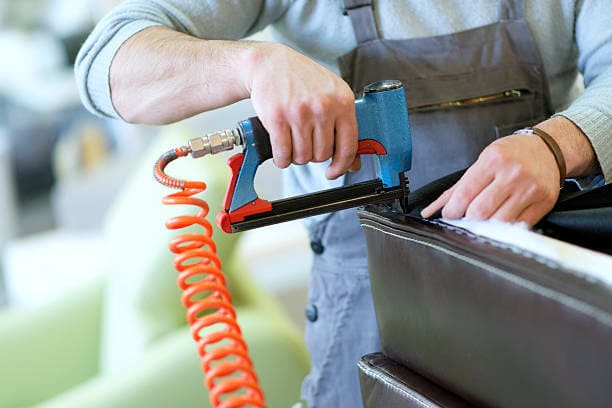
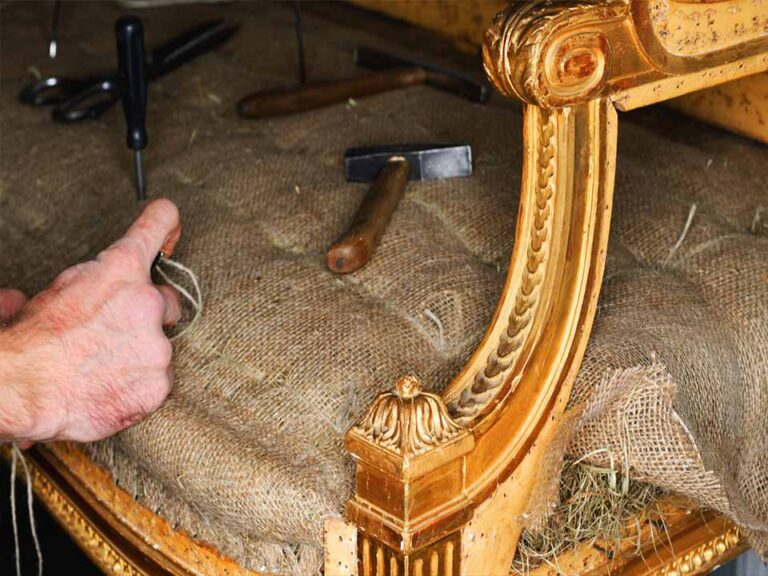
The upholstery restoration process involves more than simply replacing outer fabric. It includes evaluating the entire furniture structure, including frame stability, spring condition, cushion density, and padding layers.
Typical upholstery restoration stages include:
- Initial structural inspection
- Removal of existing fabric and padding
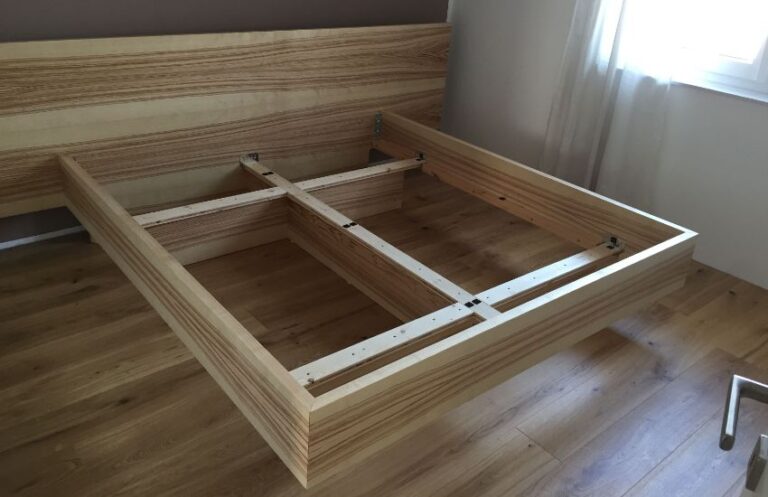
- Frame repair or reinforcement if needed
- Replacement of foam, springs, or webbing
- Installation of new fabric or leather covering
- Final finishing and quality inspection
During professional restoration, technicians analyze how each layer contributes to comfort and durability. Many homeowners researching long-term furniture care often start by learning about furniture upholstery to understand how structural restoration differs from simple cosmetic repair.
A properly restored upholstered piece can often last many years longer than untreated furniture, especially when high-quality materials are used.
How different fabric materials influence durability, cleaning difficulty, and daily wear resistance in residential and commercial environments
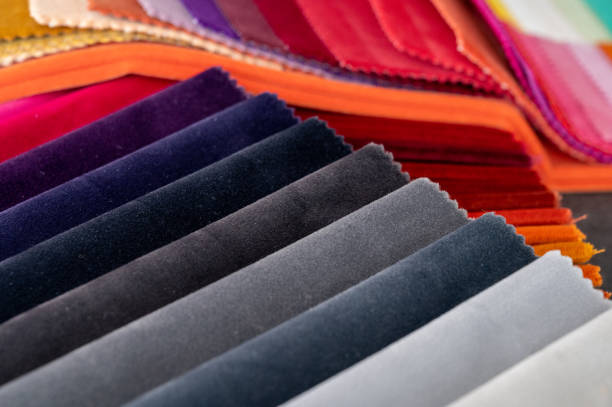
Fabric selection plays a major role in furniture performance. Different materials react differently to moisture, friction, sunlight exposure, and cleaning chemicals.
Common upholstery materials include:
• Cotton blends — breathable and comfortable but may stain easily
• Polyester — durable and resistant to stretching and shrinking
• Velvet — visually luxurious but requires careful maintenance
• Leather — highly durable but sensitive to dryness and cracking
Fabric selection often depends on lifestyle factors such as pets, children, and daily usage intensity. Commercial environments typically require stain-resistant and high-friction-resistant materials.
Durability is not only about fabric thickness. Factors like weave tightness, backing material, and protective coating also determine how well upholstery resists daily wear.
Climate and humidity effects on upholstery lifespan in homes located in Abu Dhabi and similar coastal regions
Climate has a direct impact on upholstery longevity. High humidity can cause mold growth, fabric deterioration, and foam breakdown, while excessive dryness can lead to leather cracking and stiffness.
In coastal or humid climates:
• Moisture can weaken internal wooden frames
• Fabric fibers may trap humidity and develop odors
• Foam cushions may lose structural integrity faster
• Metal springs can corrode without proper treatment
Preventive maintenance steps include:
- Using dehumidifiers indoors
- Avoiding direct sunlight exposure
- Regular professional cleaning
- Rotating cushions periodically
Environmental conditions should always be considered when selecting upholstery materials, especially in regions where humidity fluctuates significantly across seasons.
Structural differences between modern furniture frames and traditional handcrafted wooden frames used in classic seating designs
Furniture frames determine overall durability and load distribution. Modern furniture often uses engineered wood or metal combinations, while traditional furniture relies on solid hardwood frames.
Traditional seating designs, especially cultural seating arrangements like a majlis set, typically feature:
• Solid wood joinery construction
• Thicker frame support beams
• Handcrafted reinforcement joints
• Designed for extended sitting duration
Modern frames focus on lightweight construction and cost efficiency but may not always provide the same longevity as handcrafted frames.
Understanding frame construction helps determine whether furniture is suitable for restoration or requires replacement.
How foam density and cushion layering influence long-term sitting comfort and posture support across different furniture categories
Cushion comfort depends heavily on foam density and layering techniques. Higher density foam provides longer durability and better support, while lower density foam offers softer initial comfort but degrades faster.
Common cushion layering includes:
• Base support foam layer
• Transition comfort layer
• Surface soft padding layer
Higher density foam helps:
- Maintain shape over time
- Reduce pressure points
- Improve posture support
- Prevent deep sagging
Furniture used for long sitting periods benefits from multi-layer cushion construction rather than single-layer foam padding.
Signs that indicate internal furniture structure damage versus surface fabric damage requiring different restoration approaches
Not all furniture problems are visible from the outside. Understanding early warning signs helps prevent expensive structural damage.
Surface-level damage signs include:
• Small fabric tears
• Fading color
• Minor cushion flattening
Structural damage signs include:
• Loud creaking sounds
• Uneven seating height
• Deep sagging even after cushion replacement
• Frame movement when sitting
Office and ergonomic seating sometimes require specialized technical services such as hydraulic chair repair near me when internal mechanical lifting systems fail rather than simple upholstery repair.
Early detection allows targeted repair instead of full furniture replacement.
Environmental and sustainability considerations when choosing upholstery materials and replacement techniques
Sustainability is becoming an important factor in furniture restoration. Upholstery restoration itself is environmentally beneficial because it reduces landfill waste.
Eco-conscious upholstery choices include:
• Recycled polyester fabrics
• Natural latex foam instead of synthetic foam
• Low-VOC adhesives and treatments
• Sustainably sourced wood frames
Restoration also reduces the environmental cost of manufacturing new furniture, including raw material extraction and transportation emissions.
Consumers increasingly choose restoration over replacement to reduce environmental impact while maintaining high-quality furniture pieces.
Conclusion
Furniture upholstery is a technical and material-driven process that combines craftsmanship, engineering, and material science. Understanding upholstery helps individuals make better maintenance decisions, extend furniture lifespan, and preserve both functional and aesthetic value.
From frame construction to fabric selection and foam density, each component contributes to overall furniture performance. With proper maintenance and timely restoration, upholstered furniture can remain comfortable and functional for many years.
FAQs
What is the difference between reupholstery and simple fabric replacement?
Reupholstery involves replacing internal padding, repairing frames, and installing new fabric, while fabric replacement usually focuses only on the outer covering.
How long does professional upholstery restoration usually last?
High-quality restoration can last between 7 to 15 years depending on usage, material quality, and environmental exposure.
Can old furniture frames support modern upholstery materials?
Yes, many older frames are strong enough for modern materials if properly inspected and reinforced.
What types of foam are commonly used in upholstery restoration?
Polyurethane foam, memory foam, and high-resilience foam are commonly used depending on comfort and durability requirements.
How do humidity and temperature affect upholstered furniture lifespan?
High humidity can cause mold and foam degradation, while extreme dryness can cause cracking in leather and fabric brittleness.
Is it possible to match new upholstery with existing home decor styles?
Yes, modern upholstery restoration offers extensive fabric, texture, and color options to match nearly any interior design style.