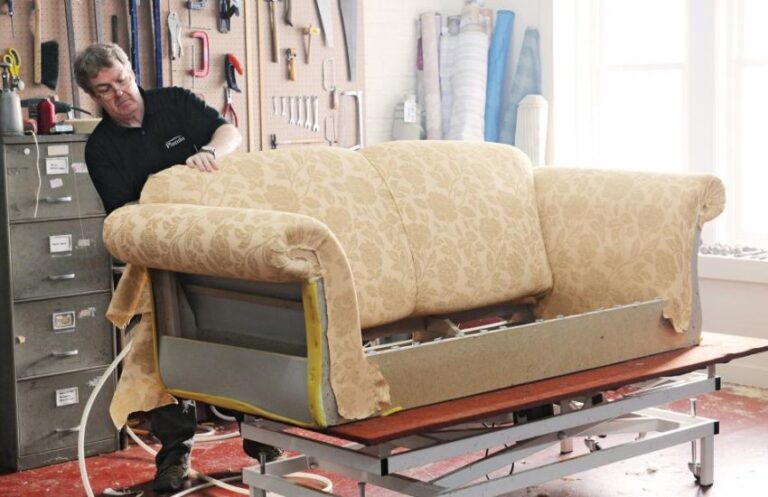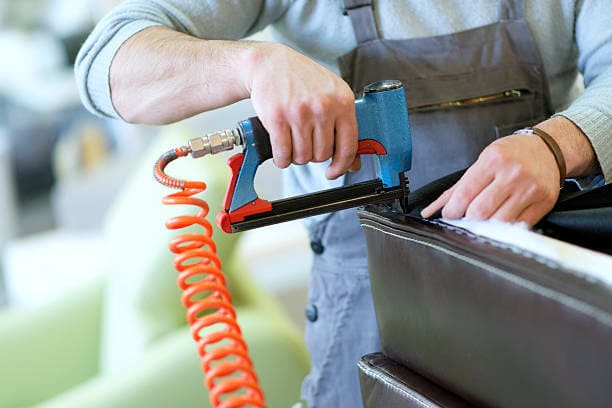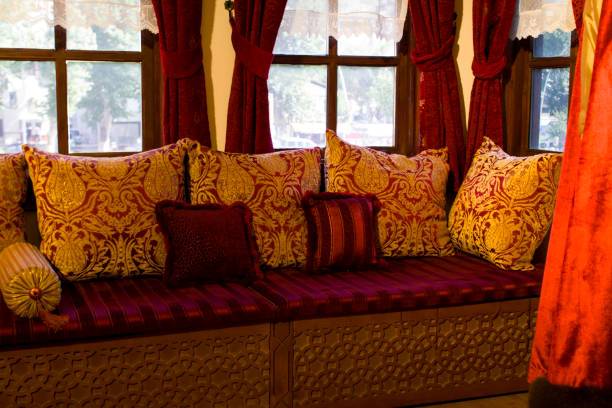
Sofas are essential furniture pieces that provide comfort, functionality, and aesthetic value in homes and offices. Over time, daily use, environmental conditions, and material aging can affect both the appearance and structure of sofas. Understanding what modern repair services include helps homeowners maintain furniture quality and extend usability without unnecessary replacement.
In regions with unique environmental conditions, furniture maintenance requires specialized knowledge. Learning how professional repair services work, what they typically cover, and how technicians approach different materials allows homeowners to make informed decisions about furniture care and long-term maintenance.
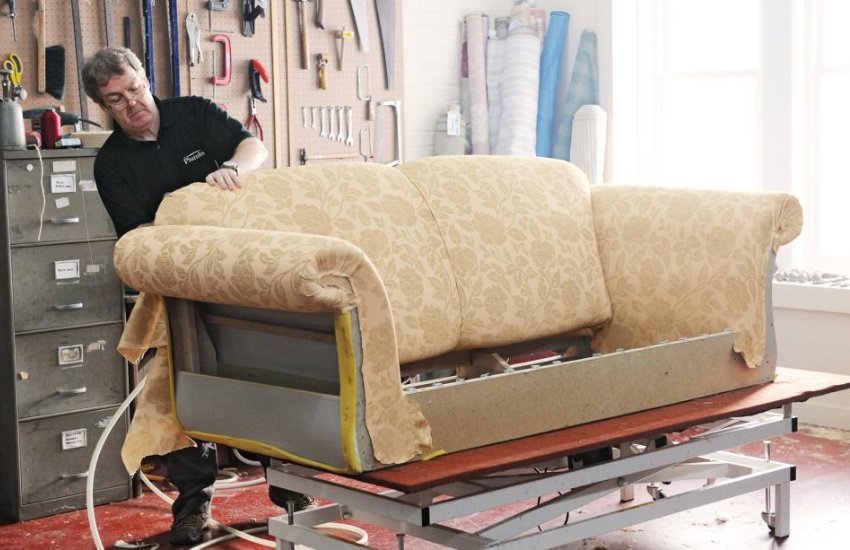
How local environmental factors influence furniture material lifespan and repair frequency
Environmental conditions play a major role in how quickly furniture materials wear out. Heat, dust, and humidity levels can accelerate aging in upholstery, foam, and internal frames.
Common environmental effects include:
- High temperatures drying out leather and causing cracking
- Dust particles embedding into fabric fibers and weakening them
- Humidity affecting wooden frames and internal glue joints
- Sand particles creating micro-abrasions on surfaces
In areas with strong sunlight exposure, UV radiation can also cause color fading and material brittleness. These factors often lead homeowners to research maintenance solutions such as sofa repair in abu dhabi to better understand restoration options suitable for local climate conditions.
Preventive maintenance like regular cleaning and protective covers can reduce environmental damage significantly.
Types of sofa repair services commonly available across residential and commercial properties
Modern repair services usually cover a wide range of structural and cosmetic issues. Services are often customized depending on the furniture condition.
Common repair service categories include:
- Frame repair and reinforcement
- Spring replacement or tension adjustment
- Cushion foam replacement
- Upholstery repair or full replacement
- Stitching repair and seam reinforcement
- Recliner mechanism repair
- Structural stabilization
Commercial furniture often requires more frequent maintenance due to higher usage levels, while residential sofas typically experience slower wear.
Technicians usually begin with a full inspection to identify visible and hidden issues before recommending repair procedures.
Understanding repair processes for modern sectional sofas and traditional seating furniture
Different sofa designs require different repair approaches. Sectional sofas often have modular structures, while traditional sofas usually have fixed frames.
Sectional Sofa Repair Considerations
- Multiple connection points between sections
- Separate cushion and frame repair processes
- Alignment adjustments during reassembly
Traditional Sofa Repair Considerations
- Fixed internal frame structure
- Uniform spring systems
- Continuous upholstery covering
Understanding design differences helps ensure repair methods match the furniture structure and maintain original stability.
How leather, suede, and synthetic upholstery require different restoration approaches
Different upholstery materials require specialized repair methods and restoration products.
Leather upholstery often needs conditioning treatments and color restoration techniques. Minor cracks can be repaired using specialized fillers and dyes. Many homeowners explore information about leather sofa repair when dealing with surface cracking, peeling, or color fading issues.
Suede requires delicate cleaning and restoration because the material is sensitive to moisture and friction. Synthetic upholstery is generally more resistant to stains but may require heat-based repair techniques for damage correction.
Choosing the correct restoration method helps maintain material strength and original appearance.
Importance of matching original upholstery texture and color during restoration processes
Matching original upholstery material is critical for maintaining a uniform appearance after repair. Poor color matching can make repaired sections highly noticeable.
Technicians typically:
- Compare original fabric samples
- Test dye or fabric matching under different lighting
- Consider wear patterns across the entire sofa
- Select materials with similar durability levels
In some cases, replacing entire upholstery sections provides better visual consistency than patch repairs. Professional evaluation helps determine the best approach.
Safety and hygiene standards followed during professional furniture repair procedures
Professional repair processes typically follow strict safety and hygiene practices to ensure safe furniture usage after restoration.
Standard safety practices include:
- Using non-toxic adhesives and cleaning chemicals
- Ensuring proper ventilation during repair processes
- Sanitizing upholstery materials before reinstallation
- Using protective gloves and equipment during restoration
Hygiene practices are especially important for furniture used in shared or commercial spaces.
How technicians evaluate whether repair or partial replacement is the better solution
Technicians usually evaluate several factors before deciding between repair and partial replacement.
Evaluation criteria often include:
- Extent of structural damage
- Condition of upholstery materials
- Availability of matching replacement materials
- Stability of the internal frame
- Long-term durability expectations
If structural damage is limited, repair is usually recommended. If damage is extensive across multiple components, partial replacement may provide better long-term results.
Preventive maintenance steps that help extend sofa lifespan after restoration service
After repair, preventive maintenance plays a major role in extending furniture lifespan.
Recommended maintenance steps include:
- Vacuuming upholstery regularly to remove dust
- Rotating cushions to distribute wear evenly
- Avoiding direct sunlight exposure when possible
- Using protective covers in high-use areas
- Cleaning spills immediately to prevent staining
Material quality also influences long-term durability. Many homeowners research options such as upholstery fabric abu dhabi to learn about different material types and their durability under local environmental conditions.
Consistent maintenance significantly reduces future repair needs.
Conclusion
Understanding modern sofa repair services helps homeowners maintain furniture quality and comfort for longer periods. Environmental factors, material types, and daily usage patterns all influence how frequently repairs are needed.
By learning about repair processes, material restoration methods, and preventive maintenance techniques, homeowners can extend furniture lifespan and maintain consistent comfort and appearance over time.
FAQs
What are the most common sofa problems in residential properties?
Common issues include sagging cushions, fabric tears, loose stitching, frame weakening, and spring damage from daily use.
How do technicians match old upholstery with new replacement materials?
Technicians compare fabric samples, check color under multiple lighting conditions, and select materials with similar texture and durability.
Can damaged leather sofas be fully restored or only partially repaired?
Many leather sofas can be fully restored depending on crack depth, peeling severity, and structural integrity of the base material.
What causes sofa stitching to fail or loosen over time?
Stitching failure usually occurs due to constant pressure, low-quality thread aging, humidity exposure, or fabric weakening.
How can homeowners maintain sofas after professional restoration work?
Regular cleaning, rotating cushions, avoiding excessive weight concentration, and protecting furniture from direct sunlight help maintain sofas after restoration.