
What transforms a simple chaise lounge from a basic outdoor chair into your favorite spot for reading, napping, or sunbathing? The answer lies in the cushions. Chaise cushions are far more than soft add-ons—they are the heart of comfort, ergonomic support, and visual appeal for any seating area. Whether you are lounging indoors or decorating a patio, the right cushion provides pressure-relieving support, enhances posture, and injects color and texture into your space. From memory foam to weather-resistant fabrics, choosing the perfect chaise cushion can elevate relaxation while protecting your furniture. This guide covers everything you need to know about selecting, styling, and maintaining chaise cushions that balance comfort, durability, and design.
Chaise cushions are more than just comfortable accessories; they are integral components of any chaise lounge, serving both functional and aesthetic purposes. These cushions provide essential support and padding for extended periods of lounging, enhancing comfort and relaxation. Beyond their practical benefits, chaise cushions also contribute to the overall style and ambiance of a space, adding color, texture, and personality to the chaise lounge and its surroundings. In this article, we will delve into the importance of chaise cushions, exploring their role in providing comfort, enhancing aesthetics, and creating inviting spaces for relaxation and leisure. Whether you’re seeking to understand the benefits of chaise cushions or looking for tips on selecting the perfect ones for your needs, join us as we uncover the significance of these versatile accessories in the world of interior design and decor.
Importance of Chaise Cushions in Providing Comfort and Enhancing Aesthetics:
Chaise cushions serve a dual purpose in the realm of interior design and relaxation, offering both comfort and aesthetic enhancement to any chaise lounge or seating area. Here’s why these cushions are indispensable accessories:
Comfort and Support: Chaise cushions play a crucial role in providing a comfortable and supportive seating experience. They offer a soft and cushioned surface for lounging, allowing individuals to recline and relax for extended periods without discomfort or fatigue. The padding in chaise cushions helps alleviate pressure points and distribute weight evenly, promoting relaxation and comfort.
Ergonomic Design: Quality chaise cushions are designed with ergonomic principles in mind, providing optimal support for the body’s natural curves and contours. They help maintain proper spinal alignment and posture, reducing strain on the back, hips, and neck. Whether used for reading, sunbathing, or napping, chaise cushions offer an ergonomic seating solution that promotes relaxation and well-being.
Customizable Comfort: Chaise cushions come in various thicknesses, densities, and materials, allowing individuals to customize their seating experience to suit their preferences. Whether you prefer firm support or plush comfort, there’s a chaise cushion available to meet your needs. Additionally, some cushions feature adjustable straps or ties to secure them to the chaise lounge, preventing slipping or sliding during use.
Aesthetic Enhancement: Beyond their functional benefits, chaise cushions also contribute to the overall aesthetics of a space, adding color, texture, and visual interest to the chaise lounge and its surroundings. They serve as decorative accents that complement the existing decor scheme and create a cohesive look in the room. Whether coordinating with existing furniture or making a bold statement with contrasting colors and patterns, chaise cushions enhance the visual appeal of any seating area.
Versatility in Design: Chaise cushions come in a wide range of styles, shapes, and sizes to accommodate different chaise lounge designs and personal preferences. From classic tufted cushions to modern sleek designs, there’s a chaise cushion to suit every style and taste. Additionally, some cushions feature removable covers that can be easily washed or replaced, allowing for effortless customization and maintenance.
Definition and Purpose of Chaise Cushions:
Chaise cushions are padded accessories designed specifically to provide comfort and support for chaise lounges, which are long, reclining chairs typically used for relaxation and lounging. These cushions consist of a soft padding material enclosed in a fabric cover, and they are tailored to fit the dimensions of the chaise lounge seat and backrest.
The primary purpose of chaise cushions is to enhance the seating experience by offering a comfortable and inviting surface for reclining and lounging. They provide a layer of padding between the user and the chaise lounge’s hard surface, preventing discomfort from prolonged sitting and promoting relaxation.
Chaise cushions serve several functions:
Comfort: Chaise cushions offer a soft and supportive surface for individuals to recline and relax comfortably. The padding material, whether foam, polyester fiberfill, or memory foam, helps alleviate pressure points and distributes weight evenly, reducing strain on the body during extended periods of lounging.
Support: Chaise cushions are designed to provide ergonomic support for the body’s natural curves and contours. They help maintain proper spinal alignment and posture, reducing the risk of discomfort or muscle fatigue. The cushion’s thickness and density play a crucial role in determining the level of support it offers.
Aesthetics: In addition to their functional benefits, chaise cushions contribute to the overall aesthetics of the chaise lounge and its surroundings. They come in a variety of colors, patterns, and fabrics, allowing individuals to customize their chaise lounges to match their personal style and decor preferences. Chaise cushions serve as decorative accents that add visual interest and personality to any indoor or outdoor seating area.
Protection: Chaise cushions also help protect the chaise lounge from wear and tear, spills, and stains. The fabric cover acts as a barrier against dirt and debris, while the padding absorbs impact and prevents damage to the chaise lounge’s surface. Some cushions feature removable, machine-washable covers for easy cleaning and maintenance.

Types of Chaise Cushions:
Chaise cushions come in various types, each offering unique features and benefits to suit different preferences and needs. Here are some common types of chaise cushions:
Foam Cushions: Foam cushions are one of the most popular types of chaise cushions. They are made of high-density foam that provides firm support and retains its shape over time. Foam cushions offer excellent resilience and durability, making them ideal for everyday use.
Memory Foam Cushions: Memory foam cushions are crafted from viscoelastic foam that conforms to the body’s contours, providing personalized support and pressure relief. These cushions offer exceptional comfort by evenly distributing body weight and alleviating pressure points. Memory foam cushions are perfect for individuals seeking superior comfort during extended lounging sessions.
Polyester Fiberfill Cushions: Polyester fiberfill cushions are filled with synthetic fibers that offer a plush and resilient seating surface. These cushions provide softness and comfort while maintaining their shape and support. Polyester fiberfill cushions are lightweight, hypoallergenic, and resistant to mold and mildew, making them suitable for indoor and outdoor use.
Gel Cushions: Gel cushions feature a layer of gel inserted into the padding to provide additional support and cooling comfort. Gel cushions help regulate temperature and prevent overheating, making them ideal for hot climates or individuals prone to sweating. These cushions offer a refreshing and comfortable seating experience, particularly during warmer months.
Outdoor Cushions: Outdoor chaise cushions are specially designed to withstand outdoor elements such as sun exposure, moisture, and mildew. They are typically made of weather-resistant materials such as polyester or acrylic fabric and feature quick-drying foam or fiberfill padding. Outdoor cushions come in various styles and colors to complement outdoor furniture sets and enhance outdoor lounging areas.
Specialty Cushions: Specialty chaise cushions are designed to address specific needs or preferences. This may include orthopedic cushions for individuals with back pain or ergonomic cushions for improved posture and comfort. Specialty cushions come in a variety of shapes, sizes, and materials to accommodate different requirements and preferences.
Choosing the Perfect Chaise Cushions:
Selecting the ideal chaise cushions involves considering various factors to ensure they meet your comfort preferences, aesthetic preferences, and practical needs. Here are essential considerations to help you choose the perfect chaise cushions for your lounging experience:
Comfort Preferences: Determine your preferred level of cushion firmness and support. Some individuals may prefer firmer cushions for better support, while others may prefer softer cushions for a more plush seating experience. Consider testing different cushion types and densities to find the one that best suits your comfort needs.
Chair Type: Consider the type of chaise lounge or chair for which you need cushions. Whether it’s an indoor chaise lounge, outdoor patio chair, or poolside lounger, ensure that the cushions fit the dimensions of the seat and backrest properly. Measure the length, width, and depth of the seating area to ensure a snug and secure fit.
Intended Use: Think about how you will use the chaise cushions and the specific requirements they need to meet. Will they be used indoors or outdoors? Will they be exposed to sunlight, rain, or moisture? Choose cushions made from weather-resistant materials if they will be used outdoors, and opt for durable fabrics that can withstand frequent use and exposure to the elements.
Upholstery Fabric: Consider the upholstery fabric for the cushions, taking into account factors such as durability, maintenance, and aesthetics. Choose fabrics that are easy to clean and maintain, especially if the cushions will be used frequently or in high-traffic areas. Additionally, select fabrics that complement the existing decor and style of the room or outdoor space.
Cushion Style and Design: Select cushions that complement the overall aesthetics of your chaise lounge and the surrounding decor. Whether you prefer classic, contemporary, or eclectic styles, choose cushions that enhance the visual appeal of the seating area. Consider factors such as cushion shape, pattern, color, and texture to create a cohesive and stylish look.
Budget: Determine your budget for chaise cushions and prioritize features based on your budget constraints. While higher-quality cushions may come with a higher price tag, they often offer better durability, comfort, and aesthetic appeal in the long run. However, there are also budget-friendly options available that provide adequate comfort and style at a lower cost.
Reviews and Recommendations: Research customer reviews and seek recommendations from friends, family, or interior design professionals when choosing chaise cushions. Hearing about others’ experiences with specific cushion brands or styles can help you make informed decisions and avoid potential pitfalls.
Creative Ways to Decorate with Chaise Cushions
Chaise cushions offer versatile styling opportunities to elevate the look and feel of your chaise lounge or seating area. Here are some creative ways to decorate with chaise cushions:
Mix and Match Patterns: Experiment with mixing different patterns, such as stripes, florals, geometrics, and abstract designs, to create visual interest and add personality to your chaise lounge. Coordinate patterns that share similar colors or themes for a cohesive look, or mix contrasting patterns for a bold and eclectic vibe.
Play with Colors: Use chaise cushions to introduce pops of color into your space and liven up your chaise lounge. Choose cushions in vibrant hues that complement or contrast with the existing decor to create focal points and draw the eye. Alternatively, opt for a monochromatic color scheme for a more sophisticated and harmonious look.
Layer Different Textures: Incorporate cushions with different textures, such as velvet, faux fur, linen, or woven fabrics, to add depth and tactile appeal to your chaise lounge. Layering cushions of varying textures creates visual interest and a sense of coziness, making the seating area feel more inviting and luxurious.
Add Decorative Accents: Personalize your chaise cushions with decorative accents such as piping, fringe, tassels, or pom-poms to add whimsy and charm. These embellishments can help elevate the cushions’ style and make them stand out as unique accent pieces in your decor.
Coordinate with Throw Pillows: Pair your chaise cushions with coordinating throw pillows in complementary colors, patterns, or textures. Mix and match cushions and pillows of different shapes and sizes to create a layered and dynamic seating arrangement that invites relaxation and lounging.
Incorporate Seasonal Themes: Switch out your chaise cushions seasonally to reflect the changing seasons and holidays. Choose cushions in seasonal colors, patterns, or motifs to celebrate holidays and special occasions throughout the year. Seasonal cushions can instantly refresh your decor and create a festive ambiance.
Accessorize with Throws and Blankets: Enhance the comfort and coziness of your chaise lounge by accessorizing with throws and blankets. Drape a soft throw or blanket over the backrest of the chaise lounge and pair it with coordinating cushions for a cozy and inviting look.
Create a Relaxing Oasis: Transform your chaise lounge into a tranquil retreat by decorating with cushions in calming colors and soothing textures. Incorporate elements of nature, such as botanical prints or organic materials, to create a serene and relaxing ambiance that promotes relaxation and well-being.

Maintenance Tips for Chaise Cushions:
Proper maintenance is essential to ensure that your chaise cushions remain clean, comfortable, and in good condition for years to come. Here are some maintenance tips to help you care for your chaise cushions:
Regular Cleaning: Vacuum your chaise cushions regularly to remove dust, crumbs, and debris. Use a brush attachment or upholstery attachment to gently vacuum the surface and crevices of the cushions. Regular cleaning prevents dirt buildup and helps maintain the cushions’ appearance and longevity.
Spot Cleaning: Attend to spills and stains promptly to prevent them from setting into the fabric. Blot the affected area with a clean, damp cloth or sponge to absorb the liquid, then gently dab with a mild detergent solution if necessary. Avoid rubbing the stain, as this can spread it further and damage the fabric.
Machine Washing: If your chaise cushion covers are removable and machine washable, follow the manufacturer’s instructions for washing and drying. Use a gentle cycle with mild detergent and cold water to prevent shrinkage or color fading. Air dry or tumble dry on low heat to maintain the fabric’s integrity.
Fluffing and Rotation: Fluff and rotate your chaise cushions regularly to prevent them from becoming flat or misshapen. This helps distribute the filling evenly and maintains the cushions’ loft and support. Rotate cushions from one side to the other and flip them over to ensure even wear.
Protective Measures: Consider using removable, washable cushion covers or protective covers to shield your chaise cushions from spills, stains, and everyday wear and tear. Washable covers are easy to clean and can be replaced or washed as needed to keep your cushions looking fresh.
Sun Protection: Avoid placing your chaise cushions in direct sunlight, as prolonged exposure to UV rays can cause fading and deterioration of the fabric. Position your chaise lounge away from windows or use curtains, blinds, or UV-blocking window film to protect the cushions from sun damage.
Air Circulation: Allow your chaise cushions to breathe by periodically removing them from the chaise lounge and airing them out in a well-ventilated area. This helps prevent musty odors and mildew growth, particularly in humid environments. Plump and fluff the cushions while airing them out to restore their shape and loft.
Professional Cleaning: For deeper cleaning, consider professional upholstery cleaning services. Professional cleaners have the expertise and equipment to remove tough stains, odors, and deep-seated dirt from chaise cushions without causing damage to the fabric or filling. Schedule professional cleaning as needed to keep your cushions looking their best.
Conclusion:
Chaise cushions are essential accessories that enhance both the comfort and aesthetics of your chaise lounge or seating area. By following the maintenance tips outlined in this article, you can ensure that your chaise cushions remain clean, comfortable, and in good condition for years to come.
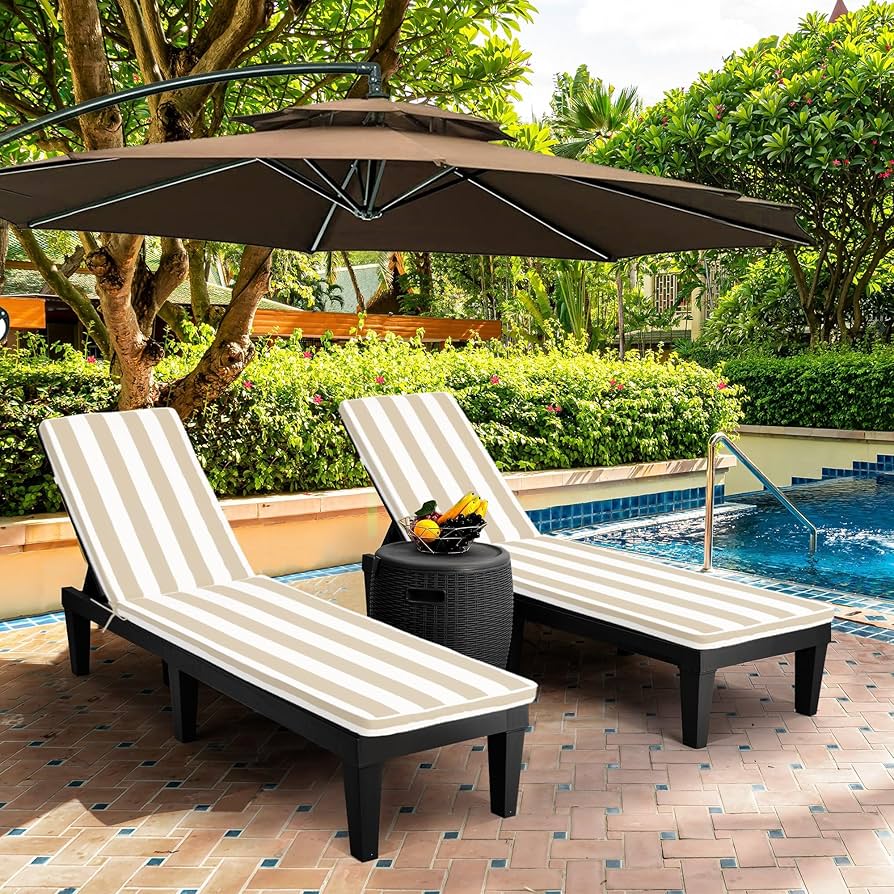
What materials are best for chaise cushions?
The best materials for chaise cushions depend on whether you’ll use them indoors or outdoors.
For indoor chaise cushions: High-density foam or memory foam is ideal for comfort and long-lasting support. Fabrics like cotton, linen, velvet, or polyester blends work well indoors, offering softness and style.
For outdoor chaise cushions: Weather-resistant materials are best, such as quick-dry foam or polyester fiberfill for the filling, paired with durable fabrics like Sunbrella, olefin, or treated polyester that resist UV rays, moisture, and mildew.
By choosing the right combination of filling and fabric, chaise cushions can provide both comfort and durability while complementing your décor.
frequently asked questions about Understanding the Importance
Why are chaise cushions important for comfort and support?
Chaise cushions provide essential padding that relieves pressure points, supports spinal alignment, and prevents fatigue during extended lounging. They transform hard surfaces into inviting, ergonomic seating for reading, napping, or sunbathing.
What materials are best for chaise cushions?
High-density foam offers firm support, while memory foam conforms to your body for personalized comfort. Polyester fiberfill provides a plush feel. For outdoor use, choose quick-dry foam with weather-resistant fabrics like Sunbrella or treated polyester.
Can I use indoor chaise cushions outside?
Indoor cushions lack UV and moisture resistance, leading to fading, mold, and rapid wear. Always select outdoor-specific cushions made with solution-dyed acrylic or olefin fabrics and water-resistant foam to withstand sun, rain, and humidity.
How do I choose the right size chaise cushion?
Measure the length, width, and thickness of your chaise lounge’s seat and backrest. Cushions should fit snugly without overhang. Many manufacturers offer standard sizes, but custom options are available for unique or vintage chaise frames.
What is the most durable fabric for chaise cushions?
Solution-dyed acrylic (like Sunbrella) and polyester blends offer excellent durability, fade resistance, and easy cleaning. For indoor use, high-performance polyester or tightly woven cotton blends resist pilling and daily wear while maintaining a soft feel.
How do I clean and maintain chaise cushions?
Vacuum regularly and spot-clean spills immediately with mild soap and water. Removable covers can be machine washed on gentle cycles. Outdoor cushions benefit from occasional hose rinsing. Store cushions indoors during harsh weather to extend their life.
What’s the difference between foam and memory foam chaise cushions?
High-density foam provides firm, consistent support and retains shape well. Memory foam conforms to body contours, relieving pressure points for superior comfort, but may retain heat. Gel-infused memory foam offers cooling properties for warm climates.
Are chaise cushions suitable for people with back pain?
Yes, orthopedic or ergonomic chaise cushions with medium-firm memory foam or high-density foam support proper spinal alignment. Look for cushions with lumbar support or contoured shapes to reduce lower back strain during extended lounging.
How can I decorate with chaise cushions to enhance my space?
Mix and match patterns, colors, and textures like velvet or linen for indoor spaces. Use bold hues as focal points or neutral tones for a calm look. Outdoor cushions in coastal or botanical prints create a resort-like feel around pools or patios.
Do chaise cushions need to be replaced often?
With proper care, quality chaise cushions last 3–5 years for outdoor use and 5–7 years indoors. Signs of replacement include flattening, visible wear on fabric, loss of support, or persistent odors from mold or mildew.